

Dry mouth and sore throat in the morning are often caused by reduced saliva flow during sleep, mouth breathing, nasal congestion, or snoring. In some cases, these symptoms can be linked to obstructive sleep apnea, especially when they occur with loud snoring, daytime fatigue, or witnessed breathing pauses. A dental evaluation can help identify oral signs related to dentistry concerns, while sleep apnea requires assessment through a medical provider.
The cause is not always obvious because several factors can produce similar symptoms. This guide covers common triggers, the effect of dry mouth on teeth and gums, and practical steps that may help reduce morning discomfort.
Why Do You Wake Up With a Dry Mouth and Sore Throat?
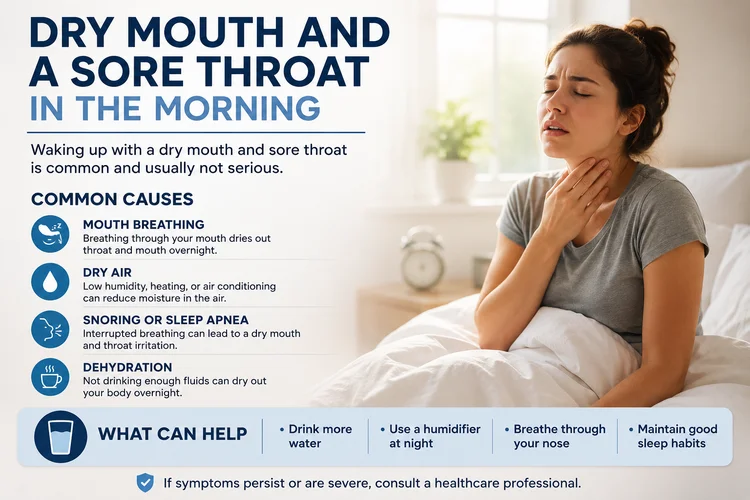
Saliva plays an important role during sleep by keeping oral tissues moist and helping protect teeth from acids and bacteria. When saliva production decreases, or a person breathes through the mouth overnight, the mouth and throat can feel dry and irritated in the morning.

Book Your Consultation Now
Mouth Breathing During Sleep
Mouth breathing is one of the most common reasons people wake up with a dry mouth. It can happen when the nose is blocked because of allergies, colds, sinus problems, or nasal structure issues.
When the mouth stays open during sleep, moisture evaporates more quickly from oral tissues. This can lead to a dry tongue, sticky feeling in the mouth, bad breath, and throat irritation after waking.
Dry Air
Dry air can reduce moisture in your mouth, especially while you sleep. This is more common during winter or when indoor heating is running, as heated air tends to have low humidity. Breathing through your mouth at night can make the effect stronger, because it makes saliva evaporate more quickly and leaves your mouth feeling dry when you wake up.
Using a humidifier in your bedroom and staying hydrated during the day can help you have better moisture levels overnight.
Sleep Apnea and Snoring
Snoring and obstructive sleep apnea can contribute to dry mouth because breathing may become irregular during sleep. People with sleep apnea may breathe through their mouth as the airway becomes restricted.
Dry mouth alone does not confirm sleep apnea. However, if it occurs alongside loud snoring, morning headaches, daytime sleepiness, or breathing pauses noticed by a partner, discussing symptoms with a healthcare provider is recommended.
Dehydration and Reduced Saliva Flow
Not drinking enough fluids during the day can contribute to morning dryness. Alcohol consumption, caffeine intake, certain medications, and naturally lower saliva production during sleep can also reduce moisture levels.
Some medications, including certain allergy medicines, antidepressants, blood pressure medications, and pain medications, may cause xerostomia (dry mouth) as a side effect.
Other Possible Causes of Morning Dry Mouth
Morning dry mouth can have several possible causes. Common factors include:
- Medications that reduce saliva production
- Alcohol consumption before bedtime
- Smoking, which can affect saliva flow and oral tissues
- Acid reflux, which may irritate the throat
Identifying the cause is important because treatment depends on what is reducing moisture in the mouth.

How Dry Mouth Can Affect Your Oral Health
Saliva helps wash away food particles, neutralize acids, and protect teeth and gums. When saliva production stays low for long periods, the risk of certain oral problems can increase.
Dry mouth may contribute to:
- Increased risk of cavities
- Higher chance of gum irritation
- Bad breath
- Difficulty swallowing or speaking comfortably
- Changes in taste
- Increased plaque buildup
Patients with chronic dry mouth may benefit from regular dental visits to monitor tooth surfaces and gum health. A dentist can also review possible causes, including medications, oral habits, and signs that suggest a need for medical evaluation.
Waking up with Dry Mouth or Throat Discomfort?
Contact Danforth Dentistry to schedule an oral health evaluation and discuss possible causes affecting your teeth, gums, and sleep quality.
Dry Mouth and Sleep Apnea: Is There a Connection?
Yes, sleep apnea can be connected with morning dry mouth. During obstructive sleep apnea episodes, the airway repeatedly narrows or closes. Many people with OSA breathe through their mouth, which increases moisture loss overnight.
According to Cleveland Clinic: “Obstructive sleep apnea (OSA) is when you stop breathing during sleep because of a blockage in your windpipe”
Research has found that dry mouth is commonly reported among patients with sleep-disordered breathing. However, morning dryness can also occur without sleep apnea.
Other symptoms that may suggest sleep apnea include:
- Loud or frequent snoring
- Witnessed pauses in breathing during sleep
- Waking up gasping or choking
- Morning headaches
- Excessive daytime tiredness
- Difficulty concentrating
A sleep study may be recommended when sleep apnea is suspected. Treatment options can include CPAP or, for selected patients, sleep apnea dental appliance therapy prescribed through appropriate medical and dental coordination.
Ways to Relieve Dry Mouth and Sore Throat in the Morning
The best solution depends on the cause. Simple changes may help improve symptoms:
- Drink enough water throughout the day
- Use a humidifier if bedroom air is dry
- Manage nasal congestion or allergies with advice from a healthcare provider
- Avoid alcohol close to bedtime
- Review medications with your doctor if dry mouth started after a new prescription
- Maintain regular brushing and flossing habits
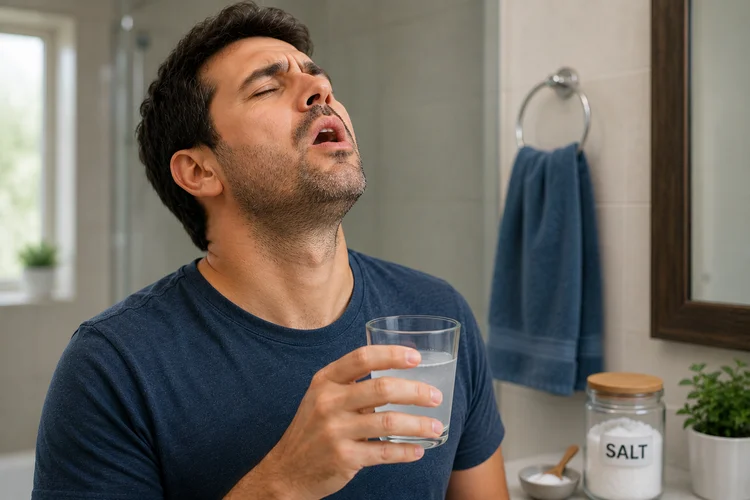
- Use saliva substitutes or products designed for dry mouth when recommended
If mouth breathing or snoring is the main cause, treating the underlying airway issue is usually more effective than managing dryness alone.
When to See a Dentist or Doctor
Occasional dry mouth upon waking is common, but persistent symptoms should be evaluated if they persist or affect daily comfort.
Consider speaking with a dentist or doctor if you experience:
- Dry mouth that occurs almost every morning
- Frequent cavities or gum irritation
- Difficulty swallowing because of dryness
- Loud snoring or breathing pauses during sleep
- Persistent daytime fatigue
- Dry mouth that started after beginning a medication
A dentist can evaluate oral health effects and discuss possible causes. A doctor or sleep specialist can assess symptoms when sleep apnea or another medical condition is suspected.
Book Your Consultation Now
Conclusion
Waking up with a dry mouth and sore throat can result from simple causes such as mouth breathing, dehydration, or a dry sleeping environment. It can also be associated with snoring and obstructive sleep apnea, especially when other symptoms are present.
Danforth Dentistry can evaluate how chronic dry mouth is affecting your teeth and gums and discuss whether further assessment may be needed. If sleep apnea is suspected, dental care can work alongside medical evaluation to support appropriate treatment.
FAQ
These FAQs answer common questions about morning dry mouth and sore throat.
-
Why is my throat sore and mouth dry when I wake up?
Common causes include mouth breathing, dehydration, nasal congestion, medications, snoring, and reduced saliva production during sleep.
-
Can sleep apnea cause dry mouth in the morning?
Yes. Sleep apnea can lead to mouth breathing during sleep, which may cause dry mouth after waking. It is not the only possible cause.
-
How can I stop waking up with a dry mouth?
Managing nasal congestion, staying hydrated, using a humidifier, reviewing medications, and addressing snoring or sleep apnea can help depending on the cause.
-
Does dry mouth increase the risk of cavities?
Yes. Reduced saliva flow can make it harder for the mouth to naturally protect teeth from bacteria and acids, increasing cavity risk.