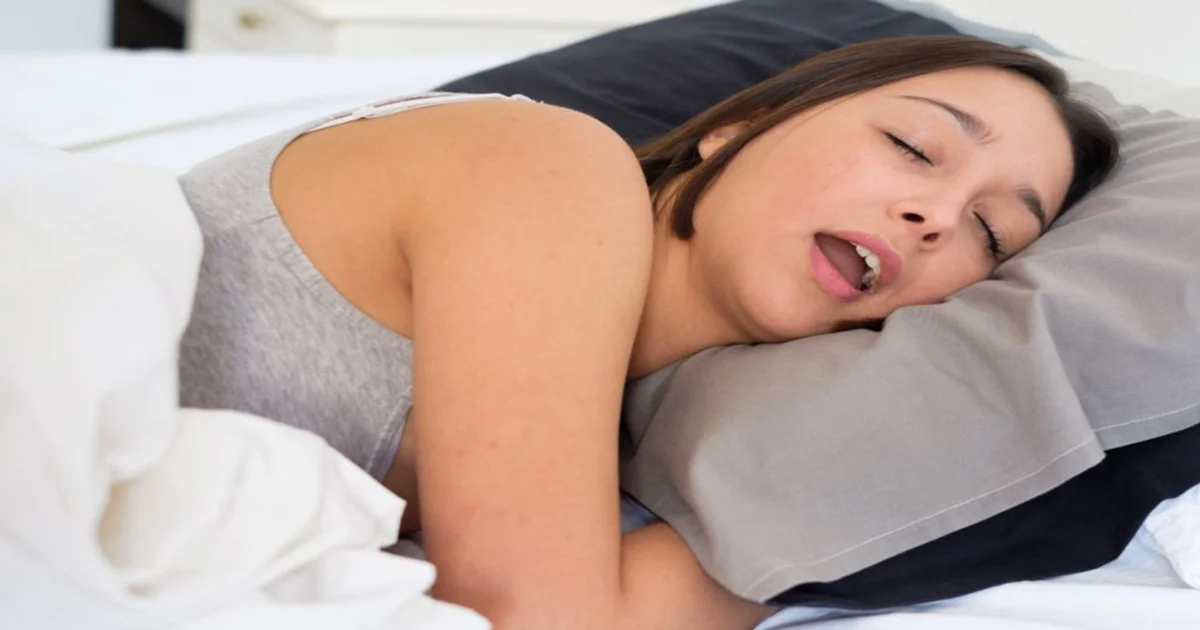

Sleep apnea symptoms in women can include persistent fatigue, insomnia, morning headaches, poor concentration, mood changes, frequent waking, and daytime sleepiness. Loud snoring can occur, but some women with obstructive sleep apnea do not report it. During a general and family dentistry visit, a dentist may identify oral or airway-related findings that support a referral, but a medical provider or sleep specialist is responsible for diagnosing sleep apnea through appropriate testing. The National Heart, Lung, and Blood Institute notes that fatigue, headaches, and insomnia are reported more often by women with sleep apnea.
Women may also experience changes in sleep apnea risk around pregnancy and menopause. Recognizing these patterns matters because symptoms may otherwise be attributed to insomnia, stress, mood disorders, or hormonal changes without considering sleep-disordered breathing.

Book Your Consultation Now
What Are the Symptoms of Sleep Apnea in Women?
Obstructive sleep apnea occurs when the upper airway repeatedly narrows or closes during sleep. Classic symptoms include snoring, gasping, and witnessed pauses in breathing, but women may report less obvious daytime and nighttime complaints.
NHLBI identifies anxiety, depression, tiredness, daytime sleepiness, morning headaches, insomnia, and repeated nighttime waking among symptoms that may occur in women with sleep apnea. Frequent urination during the night can also occur.
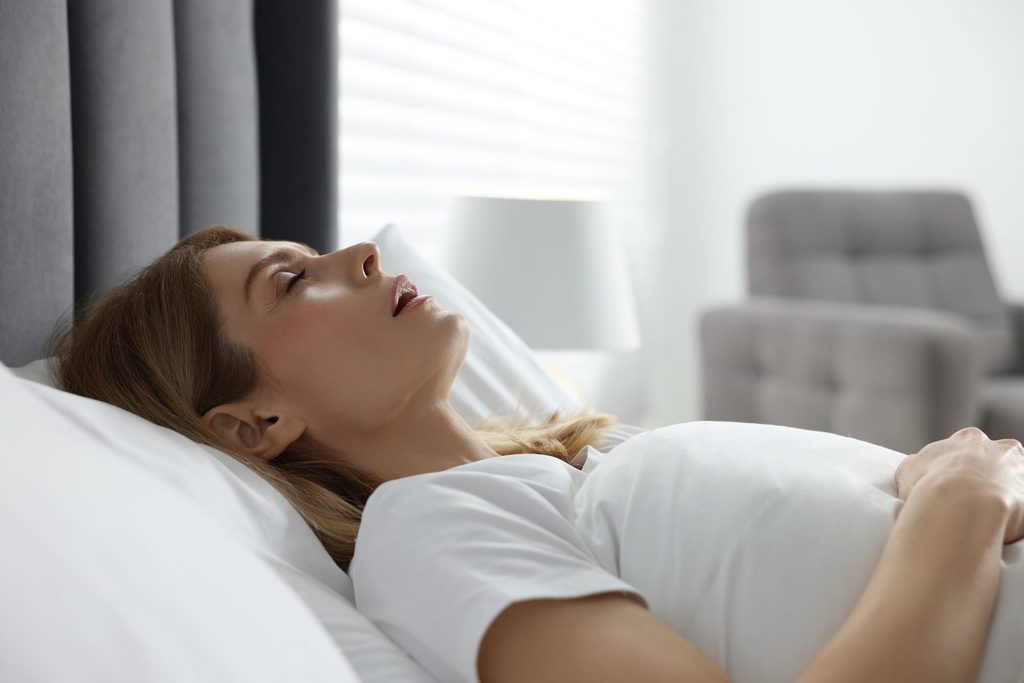
Fatigue and Daytime Sleepiness
Persistent exhaustion can be one of the more noticeable symptoms in women. Some describe low energy or unrefreshing sleep rather than falling asleep unexpectedly during the day.
Repeated airway obstruction interrupts normal sleep architecture, even when the person does not remember waking. The result may be poor daytime concentration and reduced alertness.
Fatigue alone does not prove that sleep apnea is present. Iron deficiency, thyroid problems, insomnia, medication effects, and other medical conditions can produce similar symptoms, which is why assessment matters.
Insomnia and Frequent Nighttime Waking
Some women with obstructive sleep apnea report difficulty falling asleep or staying asleep rather than obvious snoring. Insomnia symptoms appear more frequently in women with OSA than in men and may contribute to delayed diagnosis.
A person may wake repeatedly because breathing has become restricted, but she may remember only that her sleep felt fragmented. Night sweats, menopause symptoms, pregnancy-related sleep changes, or anxiety can further complicate the picture.
Headaches, Mood Changes, and Brain Fog
Morning headaches are another recognized symptom of sleep apnea and are reported more frequently by women. Problems with attention, memory, or mental clarity may follow repeated sleep disruption.
Anxiety and depressive symptoms can also occur alongside obstructive sleep apnea. This does not mean anxiety or depression is caused by sleep apnea in every case. It does mean persistent mood symptoms combined with poor sleep, fatigue, or breathing concerns may justify a broader sleep assessment.
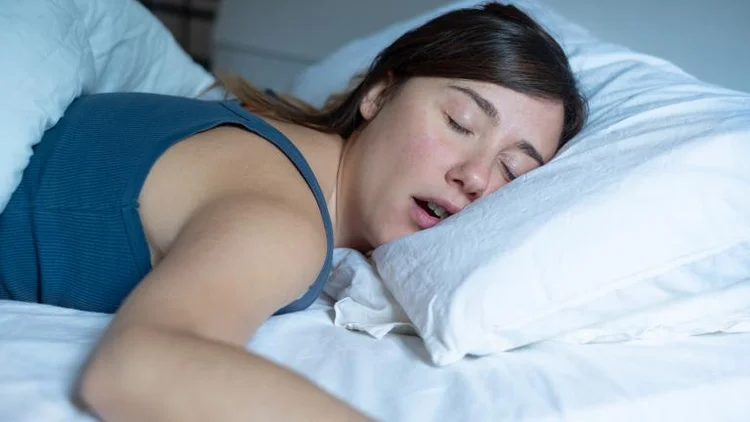
Why Sleep Apnea Is Often Missed in Women
Sleep apnea has historically been associated with loud snoring, choking during sleep, and obvious daytime sleepiness. That pattern can make OSA easier to recognize in some men than in women whose complaints centre on fatigue or insomnia.
Women may seek care for headaches, poor sleep, low mood, or difficulty concentrating without reporting witnessed breathing pauses. A recent review of OSA in women notes that some women with the condition do not report classic symptoms such as snoring or witnessed apnea, particularly before menopause.
Symptoms can also overlap with menopause, pregnancy, thyroid disorders, PCOS, and mental health conditions. These conditions should be evaluated on their own merits, but sleep apnea may deserve consideration when sleep remains poor despite treatment for another suspected cause.
This is also what Healthline brings to the table on this topic:
“Women are also 58% more likely to experience insomnia and other sleep disorders like restless leg syndrome (RLS) and sleep apnea.”
Sleep Apnea Symptoms in Women vs Men
Men and women can both experience snoring, breathing pauses, gasping, and daytime sleepiness. The difference is mainly in how often certain symptoms are reported.
| Symptom pattern | Often reported in women | Common classic OSA presentation |
|---|---|---|
| Persistent fatigue | Common | Can occur |
| Insomnia | More commonly reported in women | Less emphasized |
| Morning headaches | More commonly reported in women | Can occur |
| Anxiety or depressive symptoms | Frequently reported | Can occur |
| Loud snoring | May be absent | Common |
| Witnessed breathing pauses | May be less frequently reported | Common |
| Nighttime urination | Can occur, particularly after menopause | Can occur |
Research reviews describe women as more likely to report fatigue and insomnia, while men more often present with classic symptoms such as loud snoring and witnessed apnea. These are general patterns rather than diagnostic rules.
Experiencing Persistent Sleep Problems?
Contact Danforth Dentistry if you have been referred for dental assessment or want to discuss the dental side of physician-directed oral appliance therapy.
How Menopause Can Affect Sleep Apnea Risk
Menopause can increase the risk of obstructive sleep apnea because hormonal and physical changes may affect the upper airway and sleep quality. Important factors include:
- Hormonal changes: Lower estrogen and progesterone levels may reduce upper-airway stability during sleep.
- Changes in body composition: Weight gain around and after menopause can increase pressure around the airway.
- More fragmented sleep: Hot flashes and sleep disruption can make existing sleep apnea symptoms harder to recognize.
- Overlapping symptoms: Fatigue, headaches, poor concentration, and insomnia may be attributed to menopause even when sleep apnea is also present.
- New or worsening snoring: Snoring that begins or becomes more noticeable after menopause should be discussed with a healthcare provider, especially when combined with daytime fatigue or witnessed breathing pauses.
A sleep evaluation can help determine whether poor sleep is related to menopause, obstructive sleep apnea, or both.
Sleep Apnea During Pregnancy
Pregnancy can increase the risk of obstructive sleep apnea or worsen existing OSA. Changes in the upper airway, weight, fluid distribution, and breathing physiology can contribute, particularly later in pregnancy.
NHLBI reports that sleep apnea during pregnancy is associated with higher rates of pregnancy complications, including gestational diabetes and high blood pressure. It can also be associated with preterm birth and low birth weight.
Pregnant patients with loud new snoring, witnessed breathing pauses, or marked daytime sleepiness should discuss these symptoms with their obstetric provider. Diagnosis and treatment during pregnancy should be managed through the appropriate medical team.
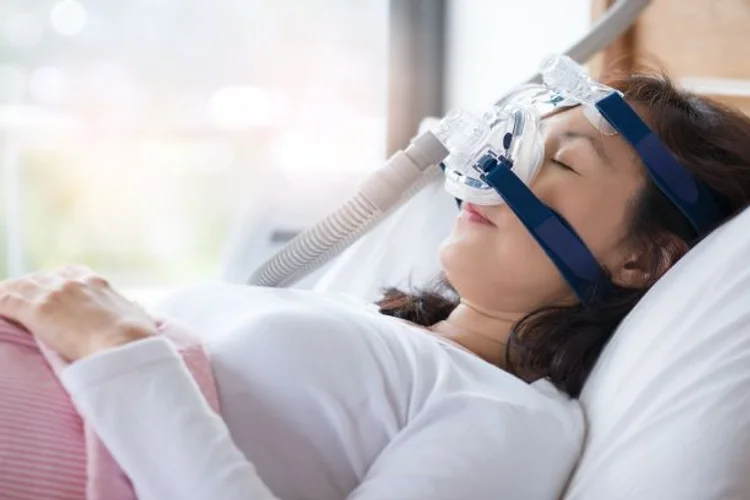
When Should You Get Tested for Sleep Apnea?
Persistent tiredness alone is not enough to diagnose sleep apnea. Testing becomes more important when poor sleep occurs alongside symptoms or risk factors that suggest repeated airway obstruction.
Discuss sleep apnea testing with a medical provider if you notice:
- Witnessed pauses in breathing, choking, or gasping during sleep
- Persistent fatigue despite spending enough time in bed
- Frequent morning headaches or repeated nighttime waking
- New or worsening snoring around menopause or pregnancy
- Ongoing concentration problems combined with disturbed sleep
A sleep study is used to diagnose sleep apnea and determine its severity. Depending on the medical situation, testing may take place in a sleep centre or at home. NHLBI states that sleep studies measure breathing and oxygen levels while helping clinicians identify sleep-related breathing disorders.
The American Academy of Sleep Medicine also states that home sleep apnea testing should be ordered and interpreted within a medical evaluation rather than used as a stand-alone consumer screening tool.
How Sleep Apnea in Women Is Treated
Treatment for sleep apnea may include snoring and sleep apnea dental appliances, such as CPAP systems or custom oral appliances, depending on the type and severity of the condition as well as the person’s medical circumstances. CPAP remains a common treatment because positive airway pressure prevents the upper airway from collapsing during sleep.
Some adults with obstructive sleep apnea may be prescribed oral appliance therapy, particularly when CPAP cannot be tolerated, or another treatment has been selected by the medical provider. A mandibular advancement device holds the lower jaw forward during sleep to reduce airway obstruction. It is not the same as a custom mouth guard made for sports or teeth grinding.
Other treatment plans may address body weight, sleep position, alcohol use, nasal obstruction, or an anatomical airway problem. Surgery is considered in selected cases. The treatment plan should be based on the sleep study and medical assessment rather than symptoms alone.
Conclusion
Sleep apnea in women can appear as fatigue, insomnia, headaches, poor concentration, or mood symptoms even when loud snoring is not the main complaint. Risk also changes during pregnancy and after menopause, so persistent sleep problems during these stages deserve careful assessment.
Danforth Dentistry can help identify dental or oral factors that may be relevant when obstructive sleep apnea is suspected and can coordinate with the patient’s medical sleep care when oral appliance therapy has been prescribed. A sleep physician or other qualified medical provider should confirm the diagnosis and monitor treatment effectiveness.
Book Your Consultation Now
FAQ
These FAQs address common concerns about overlooked sleep apnea symptoms in women.
-
Can women have sleep apnea without snoring?
Yes. Snoring is common in obstructive sleep apnea, but some women with OSA do not report loud snoring. Fatigue, insomnia, headaches, or frequent waking may be more noticeable.
-
What are the most overlooked sleep apnea symptoms in women?
Persistent fatigue and insomnia are commonly overlooked. Morning headaches, mood symptoms, poor concentration, and repeated nighttime waking can also occur.
-
Can sleep apnea be mistaken for anxiety or depression?
Yes. Sleep apnea can cause symptoms that overlap with anxiety or depression, particularly fatigue, sleep disruption, and concentration problems. Proper assessment is needed because several conditions can cause the same symptoms.
-
Does menopause increase the risk of sleep apnea?
Yes. Sleep apnea risk increases during and after menopause, partly because of hormonal and physiological changes.
-
How is sleep apnea diagnosed in women?
Diagnosis usually involves a medical sleep evaluation followed by a sleep study when indicated. Testing measures breathing disturbances and other sleep-related data to determine if sleep apnea is present and how severe it is.