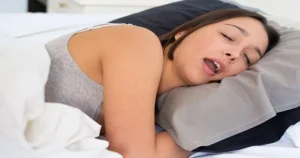
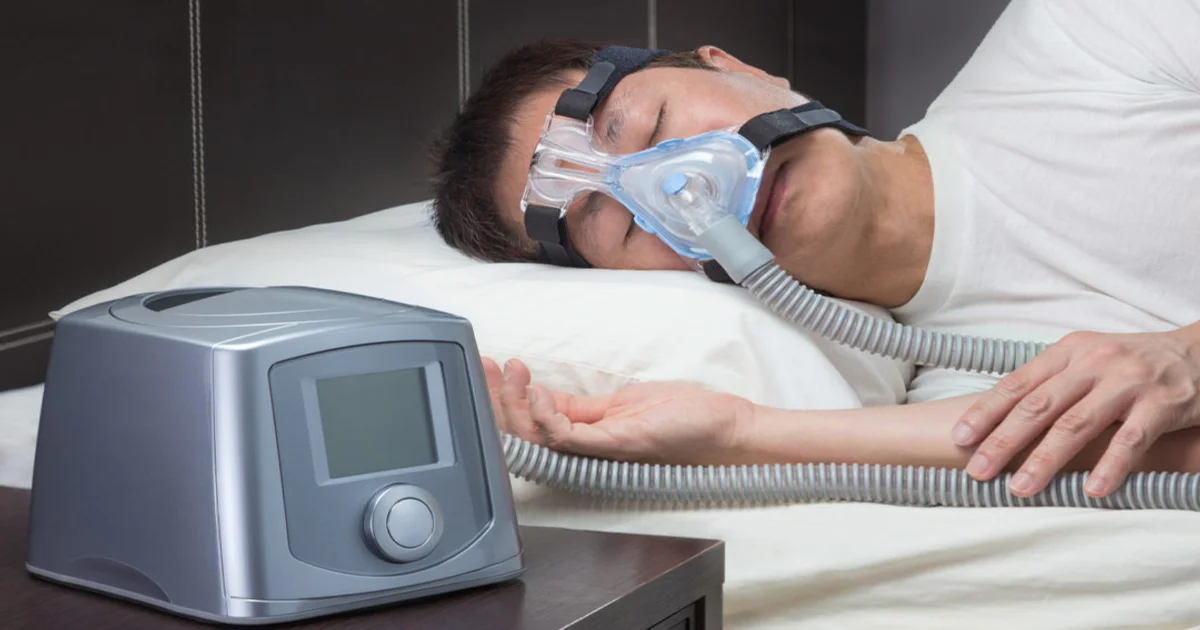

Yes, a custom sleep apnea oral appliance can help with obstructive sleep apnea in selected adults. An oral appliance for sleep apnea usually holds the lower jaw forward during sleep, which can reduce airway collapse. It is different from a custom mouth guard made for sports or teeth grinding. Current sleep medicine guidance supports custom, adjustable oral appliances for adults with obstructive sleep apnea who cannot tolerate CPAP or prefer an alternative after appropriate medical assessment.
The important question is not simply whether the appliance feels easier to wear. Treatment needs to reduce breathing interruptions during sleep. That requires a confirmed diagnosis, proper dental fitting, adjustment of the appliance, and objective follow-up with the sleep physician.

Book Your Consultation Now
Can a Custom Oral Appliance Help Sleep Apnea?
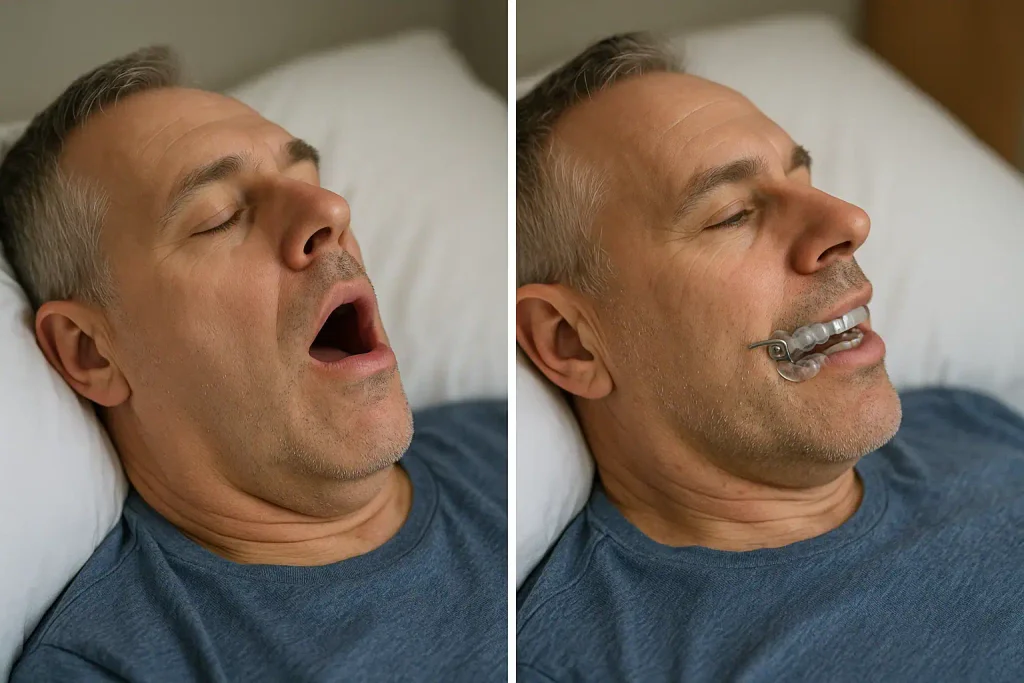
A custom oral appliance can reduce obstructive sleep apnea in many adults, particularly those with mild to moderate disease. It may also be considered in some patients with more severe sleep apnea who cannot use CPAP, although CPAP generally reduces the apnea-hypopnea index (AHI) and improves oxygen levels more effectively.
The appliance most commonly used is a mandibular advancement device, or MAD. It fits over the upper and lower teeth and holds the lower jaw in a planned forward position while the patient sleeps.
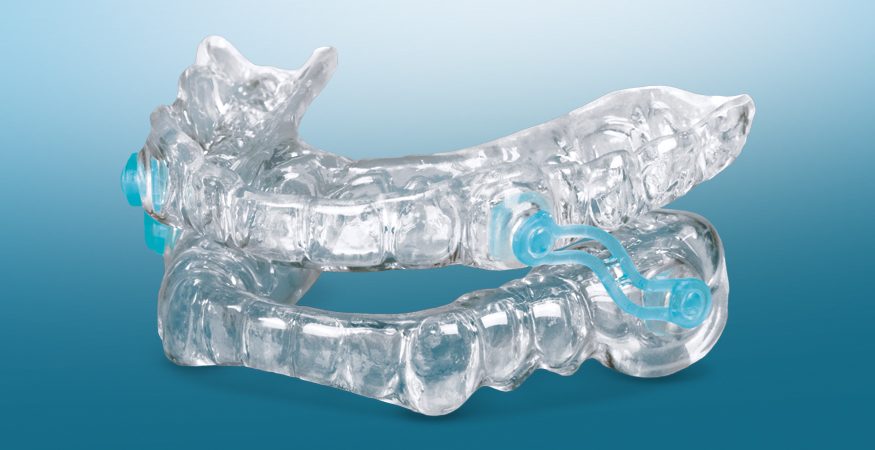
How Oral Appliances Keep the Airway Open
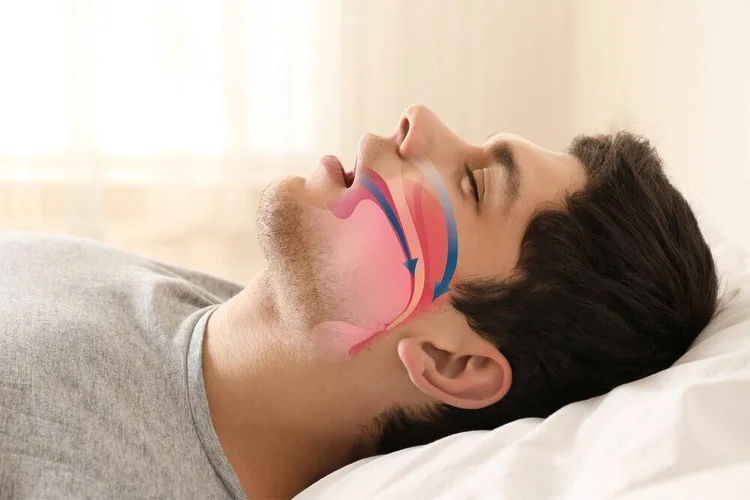
During obstructive sleep apnea, tissues in the throat repeatedly narrow or block the airway. Moving the lower jaw forward can also bring the tongue and related soft tissues forward, creating more space behind them.
The appliance does not provide pressurized air like CPAP. Its effect comes from changing jaw position and reducing the tendency of the upper airway to collapse.
Who Is a Good Candidate?
Oral appliance therapy is often considered for adults with mild or moderate obstructive sleep apnea who want an alternative to CPAP. It may also be appropriate when CPAP has been prescribed but cannot be used consistently.
Dental health matters. The device needs stable teeth or suitable dental support, and existing jaw-joint problems need to be assessed. Significant gum disease, loose teeth, or certain bite conditions may limit the type of appliance that can be used.
A dentist should not diagnose obstructive sleep apnea based on snoring alone. Diagnosis belongs with a physician or qualified sleep specialist using appropriate sleep testing.
How Effective Are They for Sleep Apnea
Custom, titratable oral appliances have been shown to reduce AHI and daytime sleepiness in adults with obstructive sleep apnea. They perform better than non-custom devices, which is why professional guidelines favour a custom adjustable appliance when oral appliance therapy is prescribed.
CPAP remains more reliable at reducing breathing events and oxygen disturbances. An oral appliance may still provide meaningful treatment when it is effective for the individual patient and is worn consistently.
CPAP vs Custom Oral Appliance Comparison Table
| Factor | CPAP | Custom oral appliance |
|---|---|---|
| How it works | Uses pressurized air to keep the airway open | Advances the lower jaw to reduce airway collapse |
| Effect on AHI | Usually more effective | Can significantly reduce AHI in suitable patients |
| Best established use | OSA across severity levels | Commonly mild to moderate OSA; selected other cases |
| Equipment | Machine, tubing, mask | Small dental appliance |
| Travel | Requires more equipment | Compact |
| Common concerns | Mask discomfort, dryness, nasal symptoms | Jaw soreness, tooth movement, bite changes |
| Follow-up | Sleep physician and PAP monitoring | Sleep physician plus dental monitoring |
CPAP should not be stopped simply because an oral appliance seems more convenient. The treating sleep physician should be involved in changing therapy.
When an Oral Appliance May Be a Good CPAP Alternative
An oral appliance may be reasonable when a patient has diagnosed obstructive sleep apnea but struggles to use CPAP consistently. Mask intolerance, dry mouth, nasal discomfort, or difficulty travelling with CPAP are common reasons patients ask about another option.
It may also suit patients with milder disease who prefer an oral appliance after discussing the expected effectiveness with their sleep physician.
The appliance needs to be custom-made and adjustable. Boil-and-bite products sold without professional assessment do not offer the same fit or evidence base as custom titratable devices. Current AASM/AADSM guidance specifically favours custom appliances over non-custom devices.
Having Trouble Using CPAP?
Contact Danforth Dentistry to arrange a dental assessment and discuss whether your teeth, bite, and jaw are suitable for oral appliance therapy alongside your sleep physician’s treatment plan.
When CPAP May Still Be the Better Treatment
CPAP may remain the better choice when sleep apnea is severe, oxygen levels drop substantially during sleep, or an oral appliance does not reduce the AHI enough.
It can also be preferable when dental conditions make mandibular advancement difficult. Patients with too few suitable teeth, significant periodontal disease, or substantial jaw joint symptoms may require a different treatment strategy.
CPAP has another advantage: many modern devices record nightly usage and treatment data. Oral appliance effectiveness usually needs separate sleep testing rather than relying on the patient’s impression of better sleep.
Side Effects and Dental Changes to Consider
Oral appliance therapy can cause temporary jaw soreness, tooth discomfort, excess saliva, or dry mouth. Some patients notice that their bite feels different after removing the device in the morning.
Long-term use can also move teeth or change the way the upper and lower teeth meet. Research and professional guidance recognize occlusal change as an important side effect of oral appliance therapy.
These changes are one reason ongoing dental follow-up matters. The appliance may need adjustment if jaw symptoms develop or tooth position begins to change.
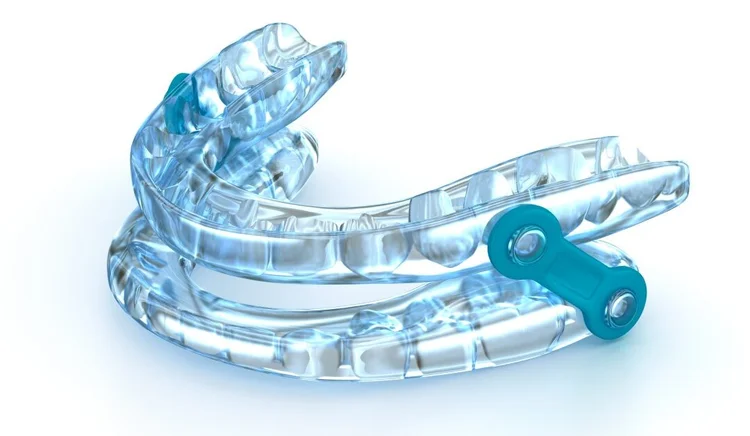
How a Custom Sleep Apnea Appliance Is Made and Adjusted
Treatment usually follows several stages:
- The sleep physician confirms obstructive sleep apnea and determines that oral appliance therapy is appropriate.
- The dentist examines the teeth, gums, bite, and jaw joints.
- Digital scans or impressions are used to create the custom appliance.
- The lower-jaw position is adjusted gradually until a useful therapeutic position is reached.
- Dental follow-up checks comfort, fit, jaw function, and bite changes.
A mandibular advancement device should not simply be delivered at one fixed setting and forgotten. Adjustment is part of treatment because too little advancement may not control the airway, while excessive advancement can increase jaw or dental side effects.
How Doctors Check Whether the Appliance Is Working
Reduced snoring is one of the goals of many snoring and sleep apnea devices, but it does not prove that sleep apnea has been adequately treated. A person can snore less and still have clinically important breathing interruptions. A person can snore less and still have clinically important breathing interruptions.
AASM/AADSM guidance recommends follow-up sleep testing to confirm the effectiveness of oral appliance therapy. The test may be an in-lab sleep study or an appropriate home sleep apnea test, depending on the patient’s medical situation and the sleep physician’s recommendation.
The sleep physician can then compare measures such as AHI and oxygen levels with the original study. If sleep apnea remains inadequately controlled, the appliance may require further adjustment or another treatment may be recommended.
Other Alternatives to CPAP
Oral appliance therapy is only one CPAP alternative. The sleep physician may discuss positional therapy when breathing problems occur mainly while sleeping on the back. Weight management can also reduce OSA severity in some people, particularly when excess body weight contributes to airway narrowing.
Selected patients may be assessed for upper-airway surgery or hypoglossal nerve stimulation. The appropriate treatment depends on why the airway is collapsing and how severe the sleep apnea is.
Some patients also use more than one strategy. For example, an oral appliance may be combined with positional treatment under professional supervision.
Book Your Consultation Now
Conclusion
A custom oral appliance can be an effective CPAP alternative for selected adults with obstructive sleep apnea, particularly when CPAP is difficult to use consistently. It should be a custom, adjustable device provided after a sleep apnea diagnosis, with its effectiveness confirmed through follow-up testing.
Danforth Dentistry can assess your teeth, bite, and jaw to determine whether your mouth is suitable for an oral sleep appliance. Treatment of sleep apnea should remain coordinated with your physician or sleep specialist so the airway response can be measured objectively.
FAQ
These FAQs address common questions patients have about oral appliance therapy and CPAP alternatives.
-
Can an oral appliance replace CPAP for sleep apnea?
Yes, in selected patients. Oral appliance therapy is an accepted alternative for adults who cannot tolerate CPAP or prefer another treatment, but the change should be discussed with the treating sleep physician.
-
Do oral appliances work for moderate or severe sleep apnea?
They can work for moderate sleep apnea and may be considered in selected severe cases. CPAP generally controls severe OSA more reliably, so follow-up sleep testing is particularly important.
-
Is a custom sleep apnea appliance better than an over-the-counter mouthguard?
Yes. Professional guidelines favour custom, adjustable oral appliances over non-custom devices for treating obstructive sleep apnea.
-
Can a sleep apnea appliance change your bite?
Yes. Long-term mandibular advancement device use can change tooth position or the way the teeth meet. Regular dental monitoring helps identify these changes.