
Choosing a suitable dental implant can be an intimidating process, and there are just so many to pick from. This comprehensive reference to the types of dental implants aims to simplify each option so you can have an understanding of what might be right for you and be confident to move forward.
Different Types of Dental Implants
There are different types of dental implants designed to work for different purposes for the patient. Selecting the correct one depends on the strength of the bones, oral health, and desired outcomes. Understanding the main categories allows the patient to have an idea of what might be best for them. Below is a general explanation of the most common types of dental implants:
| Implant Type | Best Use Case | Key Advantage |
| Endosteal | Patients with a healthy jawbone | Strong and long-lasting |
| Subperiosteal | Patients with insufficient jawbone | Avoids bone grafting |
| Zygomatic | Patients with severe bone loss | Anchors in the zygomatic bone |
| Mini | Patients with limited space or bone | Less invasive and cost-effective |
| Immediate Load | Patients seeking quick results | Faster restoration of the smile |
| All-on-4 | Full arch tooth replacement | Fewer implants with stable support |
If you are considering tooth replacement with modern solutions, our oral surgery services may also be part of the process to prepare your jawbone


Book Your Consultation Now
Endosteal Dental Implants and Their Benefits
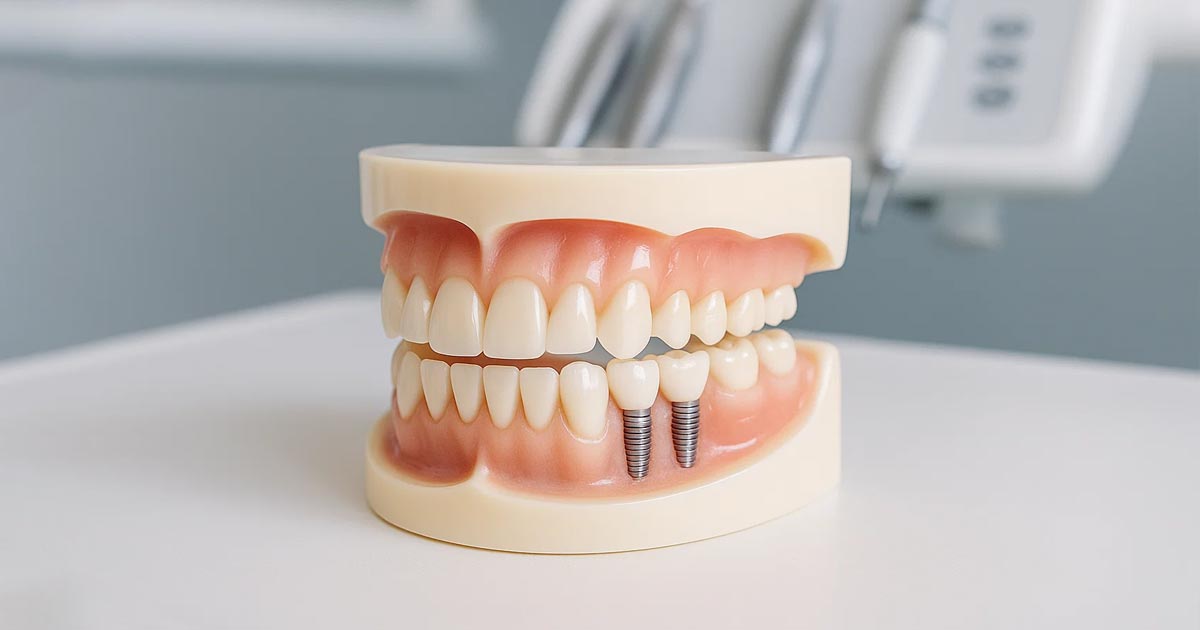
Endosteal implants are the most common among the types of dental implants. Directly placed within the jawbone, they are a solid base for dentures, bridges, or dental crowns. They are made from durable material, and through osseointegration, they become incorporated within the bone. This helps give them excellent stability, much like natural tooth roots. Endosteal implants are a patient favorite for many reasons, with high rates of success, long-standing durability, and natural functionality being among them. For a patient who has healthy bone levels, the solution restores chewing ability and appearance with unmatched efficacy and is thus one of the most reliable implant solutions.
Related Article: Learn About The CDCP Coverage In Canada For Dental Treatments
Zygomatic Implants for Patients with Bone Loss
Zygomatic implants are a unique option for patients who have extreme upper jaw bone loss and do not meet the requirements for standard implants. Not anchored within the jawbone, zygomatic implants are inserted directly into the zygomatic bone, a thicker and steadier supporting structure. This method often eliminates the need for bone grafting and reduces total treatment time. Compared to other types of dental implants, zygomatic implants are less prevalent but life-altering for individuals who have advanced jaw resorption. They provide an opportunity for function and appearance to be rebuilt, even if no other alternatives are available due to a lack of jaw supporting bone.

Restore Your Smile with Dental Implants
At Danforth Dental Centre, we provide expert care for all types of dental implants. Trust our Toronto clinic to guide you through every step with confidence and comfort.
Mini Implants for Secure and Simple Solutions
Mini implants have a smaller diameter than standard ones and are typically suggested for cases of low bone structure or narrow spaces between the teeth. They involve a less invasive procedure, making it a more comfortable and budget-friendly process. Mini implants are commonly used to stabilize dentures, giving a firm hold that enhances confidence and chewing ability. In the classification of dental implants, mini implants are unique for being an inexpensive solution with less time for healing. Even though not all patients are a match for mini implants, they can be extremely successful for regaining stability without the use of intricate procedures.
Related Article: Discover The Best Tooth Filling Types
Immediate Load Implants and Same Day Options
Same-day implants or immediate load implants provide the patient with the choice of having a temporary crown or prosthesis on the same day of implant placement. This allows for immediate function and aesthetics, whereas standard implants require restoration after healing. This process minimizes waiting time significantly for the right candidates who possess sufficient stability and bone quality. Among the types of dental implants, immediate load implants are preferred for convenience and time saving. Patients leave the office with a complete smile; however, after-care is also essential to ensure long-term results and the prevention of problems in the healing process.

Titanium Implants Compared to Zirconia and Ceramic Implants
Implant material is key to strength and aesthetics. Most commonly utilized are titanium implants for strength, proven experience, and compatibility. Increasingly popular are zirconia and ceramic implants for the patient desiring a metal-free option with an aesthetically pleasing appearance. Each of the materials has its strengths and factors to be considered, as follows:
- Titanium implants: Strong, long-lasting, and suitable for most cases
- Zirconia implants: Metal-free, tooth colored, and allergy-friendly
- Ceramic implants: Natural appearance and good gum compatibility
When exploring dental implant types, there are dental implants available to match the health needs of a patient and the desired aesthetic outcome. For patients seeking aesthetic enhancements along with implants, dental veneers can provide an attractive finishing touch.
Factors That Influence Choosing the Right Implant Type
There are a few parameters that determine what type of implant is suitable for a person. Dentists analyze oral health, jaw strength, and aesthetic preference carefully before prescribing a procedure. Long-term maintenance and lifestyle also have to be considered. Good oral hygiene, including dental cleaning, supports long-term implant success. Suitability of different types of dental implants is decided upon:
- Bone volume and density
- General oral health and gum condition
- Systemic health factors like diabetes or smoking
- Aesthetic preferences, such as metal-free solutions
- Budget and treatment timeline
- Desired longevity and function
By weighing these factors with professional recommendations, patients are able to decide on the implant type that best provides security and assurance within their smile.

So, Which Type of Dental Implants Is Suitable for You?
Understanding various types of dental implants helps patients to appreciate how each variety suits special requirements. From endosteal to zirconia dental implants, this guide outlined essential details, advantages, and factors to ensure long-term success.
At Danforth Dental Centre in Toronto, we offer personalized dental implant care and so much more to rebuild your smile. Reach out to us today and enjoy trustworthy treatment close to home.
FAQ
-
What are the main types of dental implants?
The main types include endosteal implants, subperiosteal implants, zygomatic implants, and mini implants. They are appropriate for various patient requirements, bone structures, and treatment purposes.
-
Are titanium implants better than zirconia implants?
Titanium implants are favoured because of their strength and proven success, and zirconia implants are metal-free and selected for aesthetic or allergy concerns. Both are reliable in results if well-positioned.
-
What are immediate load implants?
There are immediate load implants wherein a temporary crown is given to the patient immediately after placement. Quicker results are delivered through them, but are only appropriate when the quality and stability of the bone are adequate.
-
How long do dental implants last?
A proper dental implant will be successful for decades or a lifetime. Regular dental appointments, oral hygiene, and avoiding harmful habits are necessary for long-term results.
Have you experienced dental implants or are you considering them soon? Share your thoughts, experiences, or questions in the comments below. We’d love to hear from you and support your journey.