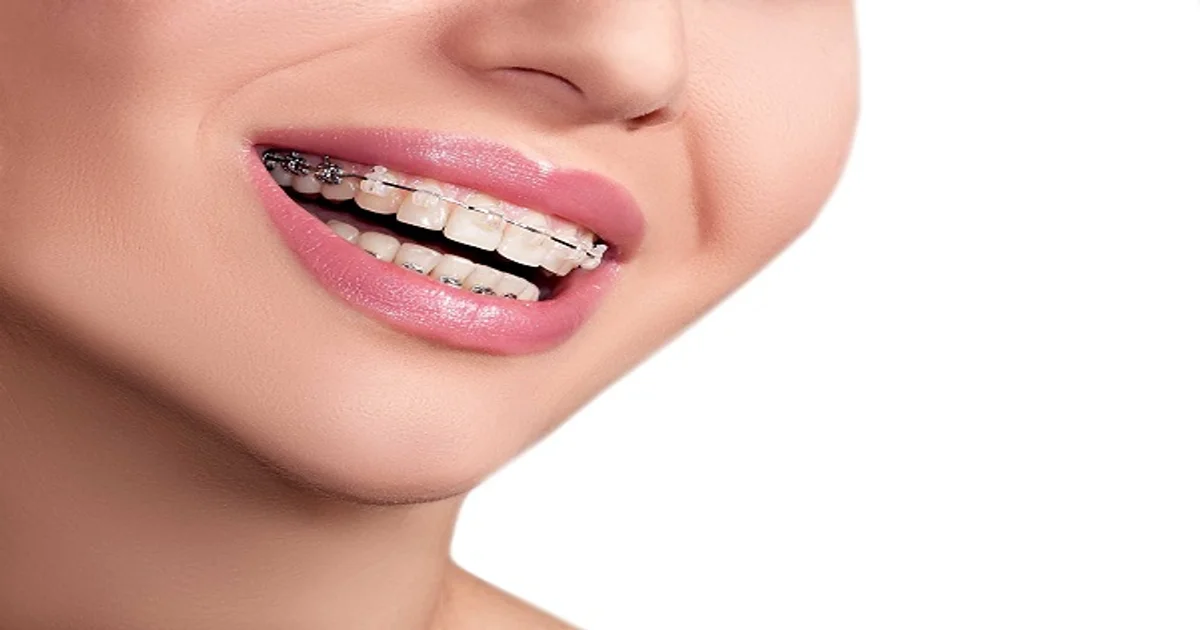

Braces for adults, which Toronto patients ask about, are often worth considering if crowded teeth, crooked teeth, spacing, or bite problems are affecting cleaning, chewing, tooth wear, or appearance. Age alone does not rule out orthodontics.
The main questions are clinical: are the gums healthy, is there enough bone support, how complex is the bite, and which treatment type fits the case? Adult braces may involve metal braces, ceramic braces, clear aligners, retainers, or treatment with other dental work before orthodontics begins.
Are Braces for Adults in Toronto Worth It?
Adult braces can be worth it when tooth position is affecting daily function or dental health. Crowded teeth are harder to clean. Rotated teeth can trap plaque. Bite problems can place extra pressure on teeth, fillings, crowns, or jaw joints. Orthodontic treatment may also make future restorative dental work more predictable.
The value of braces is not only cosmetic. A better bite can improve how teeth meet during chewing and may reduce uneven wear. Straighter teeth can also make home care easier, which matters more for adults who already have fillings, crowns, gum recession, or a history of periodontal concerns.

Book Your Consultation Now
Braces for Adults Still Make Sense When:
Adult braces often make sense when teeth are crowded, rotated, spaced, or tilted after tooth loss. They may also help with overbite, underbite, crossbite, open bite, or teeth that do not meet evenly.
Braces can also be useful before other dental treatments. For example, moving teeth into a better position may help before veneers, crowns, bridges, implants, or gum treatment. In these cases, orthodontics is part of a broader dental plan rather than a separate cosmetic decision.
Read more: Braces With Crowns or Veneers
Is It Too Late to Get Braces as an Adult?
It is usually not too late to get braces at 30, 40, 50, or older if the teeth, gums, and bone are healthy enough for orthodontic movement. Adult teeth move through the same biological process as younger teeth, but treatment may be slower in some cases and requires careful monitoring.
Adults may have dental concerns that teens usually do not have, such as gum recession, missing teeth, crowns, root canal-treated teeth, implants, or bone loss. These do not always prevent braces, but they change the treatment plan.
The most important step is a proper dental assessment before treatment. Braces should not begin until gum disease, cavities, and unstable dental problems have been addressed.
The American Dental Association says:
“The simplest reason for the increase in adults getting braces is that it just works. Orthodontic treatment is just as effective for adults as it is for children. Healthy teeth can be moved at any age because it’s the same physiological process.
Adults should also ask about treatment length, retainer use, cleaning around braces, insurance limits, and any dental work needed before brackets or aligners are started.”
Considering Braces as an Adult?
Contact Danforth Dentistry in Toronto to book an orthodontic consultation and review braces, clear aligners, treatment time, and cost based on your case.
When Braces May Not Be the Best Option
Braces may need to wait if there is active gum disease, untreated decay, poor oral hygiene, or unstable bone support. Moving teeth through unhealthy gums can create more risk, so periodontal health should be checked first.
Some cases are better treated with clear aligners, limited orthodontics, restorative dentistry, or a referral to an orthodontic specialist. Severe bite problems may need more than braces alone.
What Adults Should Check Before Starting
Before adult braces begin, the dentist should examine the gums, teeth, bite, roots, and bone levels. A dental X-ray may be needed, and, in some cases, additional imaging or referrals are required.
Braces vs Invisalign for Adults in Toronto
Braces and Invisalign can both work for adults, but they are not the same treatment. Braces are fixed to the teeth, which makes them useful for more complex tooth movement and for patients who do not want to manage removable trays.
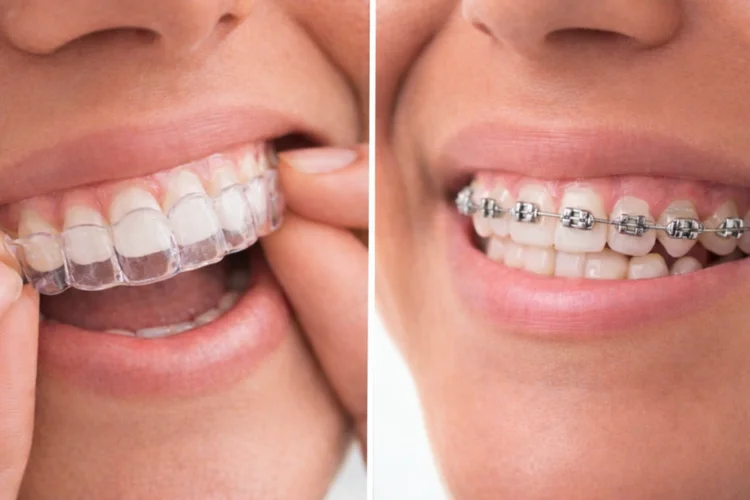
Clear aligners such as Invisalign are removable and less visible. They can be a good option for mild to moderate crowding, spacing, and bite correction. They require strong compliance because the trays must be worn for the prescribed number of hours each day.
| Treatment option | Best suited for | Main limitation |
|---|---|---|
| Metal braces | Complex tooth movement, bite correction, and patients who prefer fixed treatment | More visible |
| Ceramic braces | Adults who want fixed braces with a less noticeable look | Can cost more than metal braces |
| Clear aligners | Mild to moderate cases, adults who prefer removable trays | Works only if worn consistently |
For some adults, braces are the better clinical choice. For others, Invisalign or another clear aligner system may be enough. The right option depends on the bite, the tooth movement required, and daily habits.
How Much Do Adult Braces Cost in Toronto?
Adult braces in Toronto commonly cost several thousand dollars. Recent Toronto orthodontic pricing pages place metal braces around $3,000 to $6,500, ceramic braces around $4,000 to $7,000, and Invisalign or clear aligners around $4,500 to $8,000+, depending on complexity and treatment length.
Insurance coverage varies. Some plans include orthodontic benefits, but many have age limits, lifetime maximums, waiting periods, or partial coverage only. Adults should ask the clinic to submit a pre-treatment estimate before making a financial decision.
What to Expect During Adult Orthodontic Treatment
Adult orthodontic treatment starts with an exam, bite assessment, and imaging. The dentist checks tooth position, gum health, bone support, jaw relationship, and existing dental work. If cavities or gum disease are present, those issues should be treated before braces or aligners begin.

After treatment is planned, braces are placed, or aligners are made. Patients return for regular appointments so tooth movement can be checked and adjusted. Treatment time can range from several months for minor movement to 18–30 months for more complex cases.
Cleaning matters more during braces because brackets and wires trap food more easily. Adults with braces need careful brushing, flossing aids, and regular professional cleanings. After treatment, retainers are required to keep the teeth stable.
Book Your Consultation Now
Conclusion
Braces are not only for teenagers. Adults in Toronto can often benefit from orthodontic treatment if their gums and bone support are healthy enough and the treatment plan matches the bite problem. Braces may improve cleaning, bite function, tooth wear, and the position of teeth before other dental work.
Danforth Dentistry can assess your teeth, gums, bite, and treatment options before you decide on adult braces or clear aligners. The clinic can also explain cost, insurance estimates, and the steps needed before orthodontic treatment begins.
FAQ
These FAQs answer common concerns adults have before starting braces in Toronto.
-
Is 30, 40, or 50 too old to get braces?
No. Many adults can get braces at these ages if their gums, teeth, and bone support are healthy enough for tooth movement.
-
Are braces or Invisalign better for adults?
It depends on the case. Braces may be better for complex movement or bite correction. Invisalign may suit mild to moderate cases if the trays are worn as prescribed.
-
How long do adult braces usually take?
Minor adult orthodontic treatment may take several months. More complex cases often take 18–30 months.
-
Do adult braces hurt more than teen braces?
Adults may feel pressure or soreness after adjustments, but pain is usually temporary. Gum health and bite complexity can affect comfort during treatment.
-
Are adult braces covered by insurance in Toronto?
Some dental insurance plans cover part of adult orthodontic treatment. Many plans have limits, so a pre-treatment estimate is the safest way to check coverage.