
When you’re considering dental veneers to improve your smile, there are many types to choose from. Dental veneers have become one of the most popular cosmetic treatments for fixing stained, chipped, uneven, or worn-down teeth. Still, choosing the right type can feel confusing, especially when you hear terms like porcelain, composite, zirconia, or Lumineers.
This guide will walk you through all types of dental veneers, how they compare, and how to choose the right option for your smile, lifestyle, and budget.
What Are Dental Veneers?
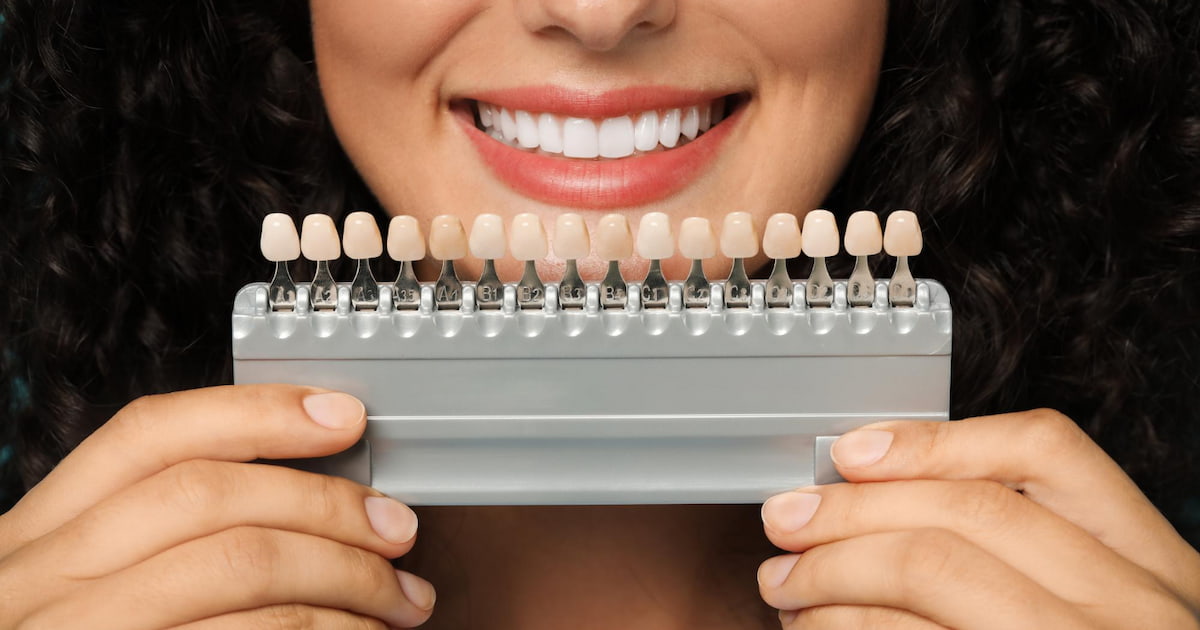
Dental veneers are thin, custom-made shells designed to cover the front surface of your teeth. Their primary purpose is to enhance the appearance of your smile by improving the colour, shape, length, or alignment of teeth. Veneers are bonded permanently to natural teeth and can last for years with proper care.
Patients often choose veneers when whitening or bonding isn’t enough to fix cosmetic concerns. Veneers can address deep stains, gaps between teeth, minor misalignment, chips, cracks, and uneven or worn edges. The material used for a veneer makes a big difference in durability, appearance, and cost, which is why understanding each type is so important.

Book Your Consultation Now
Suggested article: Dental Veneers vs. Laminates: What’s the Difference?
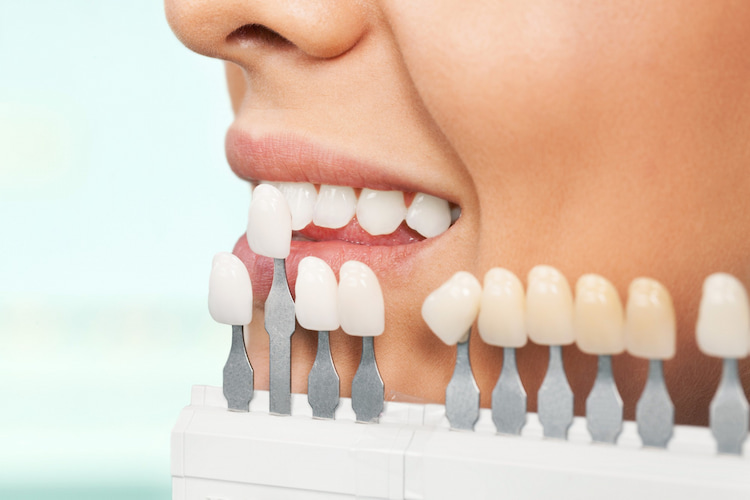
Types of Dental Veneers
There are several types of veneers, each offering unique benefits. Understanding the differences helps you feel confident about what fits your smile goals best.
Porcelain Veneers
Porcelain veneers are considered the gold standard in cosmetic dentistry. They are made from medical-grade ceramic that closely mimics real enamel in both colour and translucency. This makes them ideal for patients who want the most natural-looking results.
Porcelain veneers are highly resistant to stains from coffee, tea, and smoking. They are durable, often lasting 10-15 years or more, and offer excellent colour stability. Dentists can customize porcelain veneers to match or enhance your smile with great precision.
Considerations:
They usually require removing a small amount of enamel to ensure they fit naturally. Because they’re custom-made in a lab, the process takes longer than composite veneers.
Composite Veneers
Composite veneers are crafted from tooth-colored resin, the same material used for dental bonding. They can be applied in a single visit, making them a popular and cost-effective choice. Composite veneers offer a faster and more affordable alternative to porcelain. They can be shaped directly on the tooth and provide instant results.
Considerations:
They are more prone to staining and chipping compared to porcelain. Their lifespan is shorter, typically 4-8 years, but they can be easily repaired if damaged.
Further reading: Types of Dental Implants
Lumineers (No-Prep Veneers)
Lumineers are an ultra-thin brand of porcelain veneers designed to require little to no enamel removal. They’re great for people who want a reversible or minimally invasive option. Lumineers are comfortable, natural-looking, and often installed without anesthesia.
Considerations:
Because they are thinner, they may not hide severe discoloration as effectively. In some cases, they can look slightly bulkier on the teeth if not properly planned.
Zirconia Veneers
Zirconia veneers are made from zirconium dioxide, a ceramic known for its extraordinary strength. Zirconia is ideal for patients who grind their teeth or need veneers on molars or heavily restored teeth. They are extremely durable and crack-resistant.
Considerations:
They are less translucent than porcelain, which means they may not offer the same level of natural aesthetics, though modern zirconia materials have improved significantly.
Temporary Veneers
Temporary veneers are used while waiting for permanent ones to be crafted in the lab. They protect your prepared teeth and help you test the look, shape, and feel before the final placement. They offer comfort and aesthetics during the transition period. They also allow you to “preview” your smile and request changes if needed.
Considerations:
They are not meant to last long and must be handled with care to avoid breakage.

How to Choose the Right Type of Dental Veneer
Choosing a veneer is not just about how it looks. It depends on your lifestyle, goals, oral health, and budget. Here’s how each factor plays a role.
Durability & Lifespan
Different veneers last for different amounts of time. Here’s a helpful comparison:
| Type of Veneer | Average Lifespan | Resistance to Stains | Ideal For |
| Porcelain | 10-15+ years | Excellent | Natural appearance & long-term results |
| Composite | 4-8 years | Moderate | Budget-friendly, quick results |
| Lumineers | 10-15 years | Excellent | No-prep option & minimal invasiveness |
| Zirconia | 10-20+ years | Good | High bite pressure, grinders |
| Temporary | 1-4 weeks | Low | Transition period only |
If you want longevity, zirconia or porcelain may be your best bet.
Cost Comparison
Pricing is influenced by several factors, including the material used, the complexity of your case, the number of veneers needed, and the skill and experience of the dentist. While some veneer types may seem more affordable at first, they may require more frequent repairs or replacements over time. Others come with a higher upfront cost but offer better durability, stain resistance, and natural aesthetics.
When comparing costs, it’s important to think beyond the initial price and consider long-term value, maintenance needs, and how long you expect your veneers to last. Here’s a short comparison between the costs of dental veneer types.
- Porcelain: Higher cost due to lab work and premium aesthetics
- Zirconia: Similar or slightly higher than porcelain
- Lumineers: Often comparable to porcelain
- Composite: The most affordable option
Remember: cheaper upfront doesn’t always mean cheaper long-term if replacements are needed sooner.
Thinking About Veneers? Contact Us Today!
At Danforth Dental Centre Clinic , we’re here to help you design a smile that feels natural, comfortable, and uniquely yours. Book your personalized smile consultation today!
Aesthetic Results
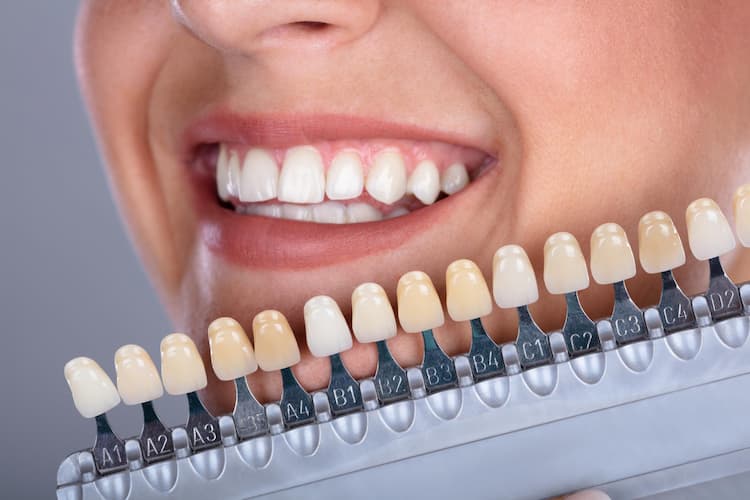
When it comes to appearance, porcelain veneers usually win due to their translucency and natural shine. Lumineers can look equally natural when well planned. Zirconia is strong but slightly less translucent. Also, composite veneers look good initially but can dull over time.
Ask your dentist for before-and-after photos of each type to help you visualize.
Tooth Preparation Needs
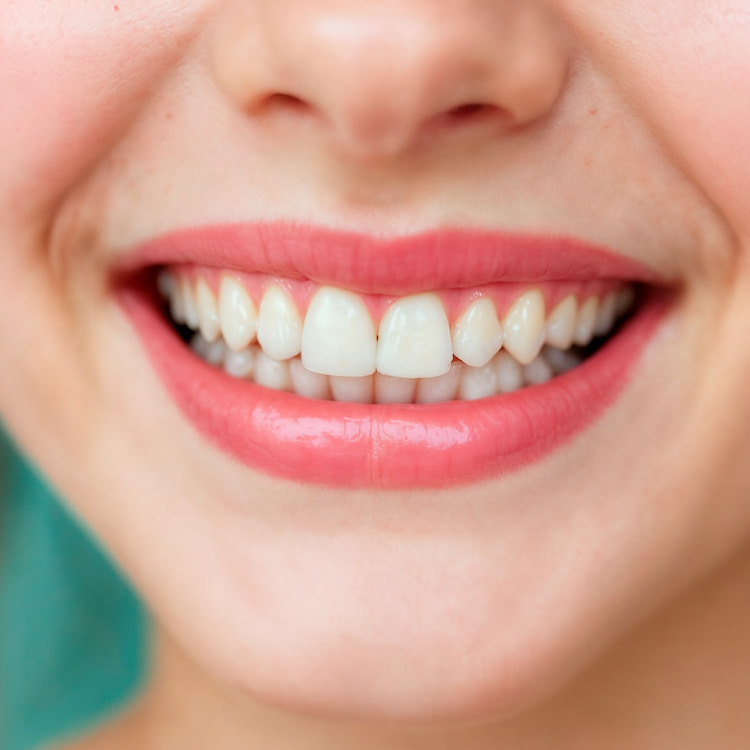
This is a major deciding factor for many patients. Preparation refers to how much of the natural tooth enamel needs to be adjusted before placing the veneer. Some patients prefer options that require minimal or no enamel removal, while others are comfortable with more preparation in exchange for stronger or longer-lasting results. Let’s check each veneer type’s preparation requirement.
- Porcelain veneers: Require minor enamel removal
- Lumineers: Usually require no or minimal preparation
- Composite veneers: Require little prep
- Zirconia veneers: Require enough prep to ensure strength and fit
If you prefer a reversible or low-preparation option, Lumineers might be your choice.
Further reading: Best Tooth Filling Types for Your Needs
Procedure: What to Expect When Getting Dental Veneers
Knowing what happens during the veneer process can make the experience feel much more comfortable and predictable. While the exact steps may vary depending on the type of veneer you choose, most treatments follow a structured process designed to ensure precision, comfort, and long-lasting results. Understanding the full process helps set realistic expectations for timing, comfort, and results—especially if you’re considering veneers for the first time.
- Consultation: Your dentist examines your teeth, discusses your goals, and helps you choose the right veneer type.
- Tooth Preparation: A small amount of enamel is removed (unless using no-prep veneers). Impressions are taken.
- Temporary Veneers: You wear temporary veneers while the permanent ones are crafted.
- Veneer Fabrication: A dental lab designs custom veneers tailored to your smile.
- Bonding: The final veneers are placed, adjusted, and permanently bonded to your teeth.
- Final Touch: Your dentist fine-tunes the fit and appearance for a balanced bite and symmetrical smile.
Veneer Care & Maintenance Tips
Taking care of your veneers is easy, and most of it comes down to maintaining good oral hygiene. Brushing twice a day with a soft-bristle toothbrush helps protect both your veneers and the natural teeth under them, while non-abrasive toothpaste prevents surface scratches. Daily flossing is also important because it removes plaque from around the edges of your veneers, helping them stay clean and bright.
Although veneers are stain-resistant, limiting dark or acidic foods and drinks, such as coffee, red wine, and sodas, can keep them looking their best for longer. It’s also a good idea to avoid chewing on hard objects like ice, pens, or fingernails, as this can chip the edges. If you grind your teeth at night, wearing a night guard will protect your veneers from unnecessary pressure.
Most importantly, make sure to visit your dentist regularly so they can check your veneers, polish them when needed, and ensure your overall oral health stays in great shape.
Worth reading: How to Choose the Best Toothbrush
Book Your Consultation Now
Among Different Types of Dental Veneers, We Help You Choose the Right One
Choosing the right veneer isn’t just about picking a popular option; it’s about selecting the one that fits your lifestyle, your long-term goals, and your smile’s natural characteristics. In this guide, you explored porcelain, composite, zirconia, Lumineers, and temporary veneers, along with how to compare them based on durability, cost, preparation, and aesthetics.
At Danforth Dental Centre, we take time to understand your expectations and recommend a treatment plan tailored specifically to you. Moreover, if veneers are not right for you, we help you explore other cosmetic dental treatments. Whether you want a dramatic Hollywood-style smile or a subtle, natural refresh, our team is here to help you achieve the results you envision. Book your veneer consultation at Danforth Dental Centre today; your perfect smile starts here.
FAQ
-
Which type of dental veneer looks the most natural?
Porcelain veneers typically offer the most natural appearance due to their translucency and enamel-like texture. Lumineers can look equally natural when planned properly.
-
How do I know if I’m a good candidate for veneers?
You’re likely a good candidate if you have healthy gums, no active decay, and want to correct discoloration, chips, gaps, or minor misalignment. A dentist will evaluate enamel thickness and bite alignment before recommending a type.
-
Are veneers reversible?
Composite and Lumineers may be reversible in some cases because they require little to no enamel removal. Porcelain and zirconia veneers often require enamel reduction, making them permanent.
-
Will veneers damage my natural teeth?
When placed by an experienced dentist, veneers strengthen and protect natural teeth. Proper preparation ensures the health of the underlying tooth is maintained.
-
How many veneers do I need for a smile makeover?
This varies. Some patients need just 2-4 veneers to fix visible issues, while others may choose 6-10 for a symmetrical smile. A consultation helps determine what fits your goals.
-
Do veneers stain?
Porcelain and zirconia are highly stain-resistant. Composite veneers can stain over time, especially if frequently exposed to coffee, tea, red wine, or tobacco.
-
What if my veneer chips or cracks?
Composite veneers can be repaired easily. Porcelain or zirconia veneers may need replacement, depending on the severity. Wearing a night guard helps prevent damage.
What type of veneer are you considering? Porcelain, composite, or Lumineers? Drop your thoughts or questions in the comments! We love helping patients make informed decisions.