
Have you ever noticed a small piece of gum sticking up or folding between your teeth and wondered if it’s normal? These are commonly known as gum flaps, and while they might seem minor at first, they can be a sign that something isn’t quite right with your oral health. Many people ignore them until they worsen, but early attention can prevent bigger dental problems. In this guide, we’ll explain what gum flaps are, why they form, whether they’re serious, and how they’re treated and prevented, so you know exactly what to do next.

Book Your Consultation Now
What Are Gum Flaps Between Teeth?
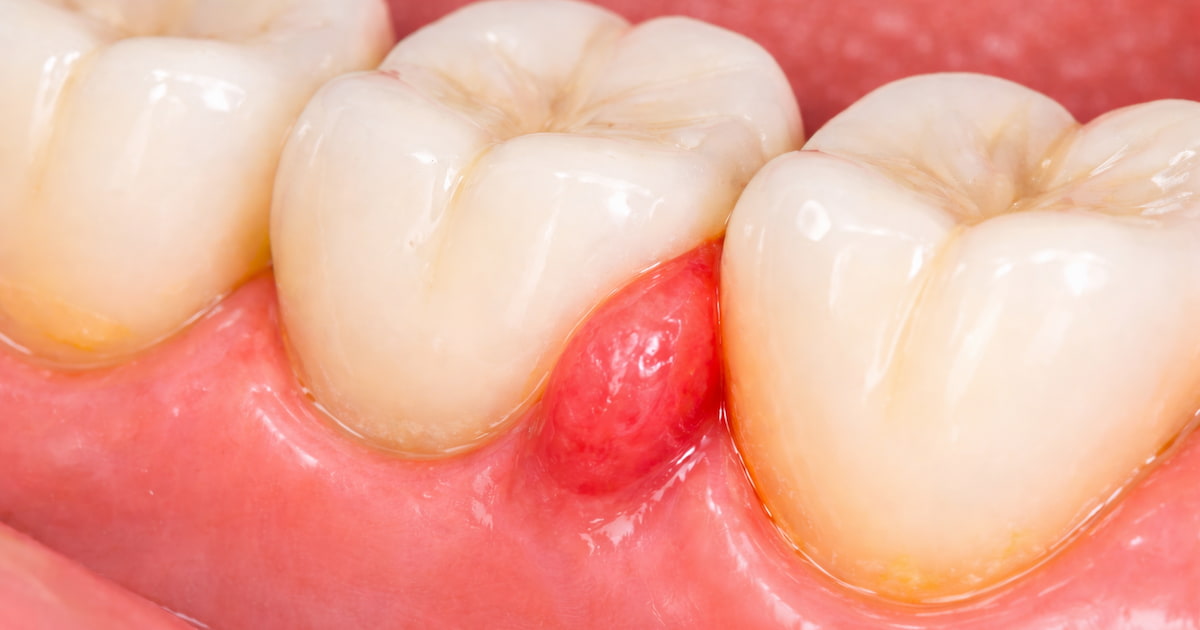
Gum flaps are small sections of gum tissue that lift, fold, or grow unevenly between teeth. Instead of lying flat against the tooth surface, the gum creates a pocket or flap-like shape. This space can easily collect food particles and bacteria, making it harder to clean properly.
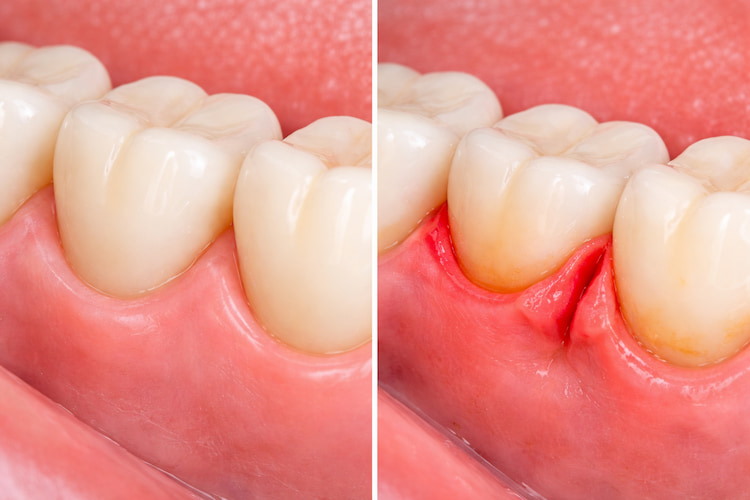
In healthy gums, the tissue fits snugly around each tooth. When irritation, inflammation, or structural issues occur, the gum tissue can change shape and form these flaps. Gum flaps are not a condition on their own; they’re usually a sign of an underlying issue that needs attention.
Why Do Gum Flaps Form?
Gum flaps can develop for several reasons, and in many cases, more than one factor is involved. Understanding the cause is essential for choosing the right treatment. Let’s explore them one by one.
Plaque and Tartar Buildup
Plaque is a sticky film of bacteria that forms on teeth every day. When it isn’t removed properly, it hardens into tartar, which irritates the gums. Over time, this irritation causes inflammation, making the gum tissue swell and pull away from the tooth, creating flaps.
Once tartar forms, brushing alone can’t remove it. That’s why professional dental cleanings are so important for preventing gum changes like flaps.
Gum Disease (Gingivitis and Periodontitis)
Gum disease is one of the most common causes of gum flaps. In the early stage (gingivitis), gums become red, swollen, and bleed easily. If left untreated, it can progress to periodontitis, where gums pull away from the teeth and form deeper pockets and flaps.
At this stage, bacteria can reach deeper tissues and even affect the bone supporting your teeth, making treatment more complex.
Food Impaction Between Teeth
When food frequently gets stuck between teeth, especially due to gaps, worn dental fillings, or poorly shaped crowns, it can constantly irritate the gums in that area. This repeated pressure and inflammation can cause the gum tissue to change shape and form a flap. People often notice gum flaps more in the same spot where food gets trapped daily.
Wisdom Teeth and Tooth Misalignment
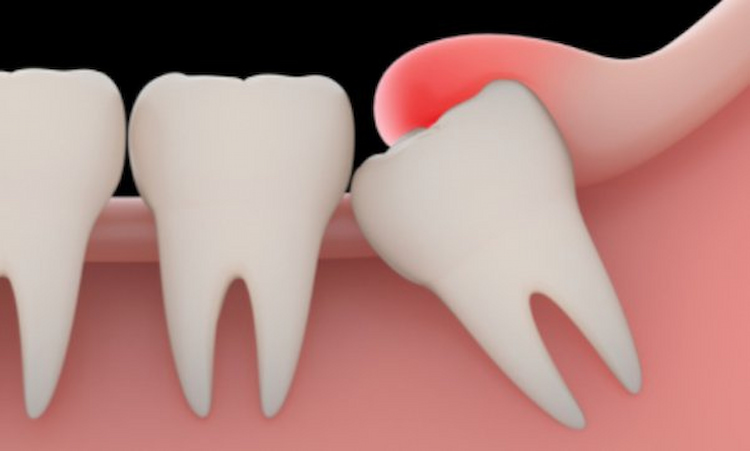
According to an article on Cleveland Clinic, partially erupted wisdom teeth often cause gum flaps because there isn’t enough space for the tooth to fully come in. A flap of gum may sit over part of the tooth, creating an ideal place for bacteria to grow.
Similarly, crowded or misaligned teeth can make certain areas harder to clean, increasing the risk of inflammation and gum flap formation.
Poor Oral Hygiene or Aggressive Brushing
Not brushing and flossing well enough allows plaque to build up, but brushing too hard can also be harmful. Aggressive brushing with a hard-bristled toothbrush can damage gum tissue, leading to recession or uneven gum shapes that resemble flaps.
Let Our Professionals Treat Your Gum Flaps
If you’ve noticed gum flaps or frequent gum irritation, the team at Danforth Dental Centre can assess your gums and recommend the most effective treatment before the issue becomes more serious.
Are Gum Flaps a Serious Dental Problem?
Gum flaps aren’t always an emergency, but they should never be ignored. In mild cases, they may simply indicate temporary irritation. However, persistent gum flaps often point to ongoing inflammation or gum disease, which can worsen over time.
If left untreated, gum flaps can:
- Trap bacteria and food debris
- Increase the risk of infection
- Lead to bone loss around teeth
- Cause chronic bad breath
- Eventually results in loose teeth
Common Symptoms Linked to Gum Flaps
Gum flaps don’t always hurt, especially at first. That’s why many people miss the early signs. Common symptoms are as follows:
- Swollen or puffy gums between teeth
- Bleeding during brushing or flossing
- Pain or tenderness in one specific area
- Food constantly getting stuck
- Bad breath that doesn’t go away
- A feeling that something is “stuck” between teeth
If you notice any of these signs, it’s a good idea to have your gums checked by a dentist.

Worth reading: What Denture Sores Look Like
Gum Flaps Treatment Options
Treatment depends on what’s causing the gum flaps and how advanced the issue is. A proper dental exam is essential to choose the right approach.
Professional Dental Cleaning (Scaling and Root Planing)
For many patients, a deep professional cleaning is the first step. Scaling removes plaque and tartar from above and below the gumline, while root planing smooths the tooth roots so gums can reattach more easily. This treatment reduces inflammation and often allows mild gum flaps to shrink or heal naturally.
Treating Gum Disease
If the issue comes from gum disease, you may need a treatment that focuses on stopping the infection, such as deep cleanings, antibacterial rinses, and personalized oral care instructions. In advanced cases, your dentist may refer you to a gum specialist. The earlier gum disease is treated, the easier it is to manage gum flaps.
Minor Gum Surgery or Gum Contouring
When gum flaps don’t heal on their own, you may need minor oral surgery procedures or gum contouring. During gum contouring, the dentist reshapes excess tissue and removes deep pockets where bacteria hide. These procedures are usually quick, done under local anesthesia, and have a short recovery time.
Addressing Underlying Dental Issues
If underlying dental problems cause gum flaps, treating the surface issue alone won’t be enough. The real solution is to address what’s creating constant pressure, irritation, or plaque buildup in that area. As mentioned earlier, misaligned or crowded teeth can make certain spots very hard to clean properly. When plaque and food repeatedly collect between crooked teeth, the gums stay inflamed and may start to form flaps. In these cases, orthodontic treatment can help reposition the teeth, making daily cleaning easier and allowing the gums to return to a healthier shape.
Also, partially erupted wisdom teeth often create gum flaps that are difficult to clean and prone to infection. In these cases, wisdom tooth removal is often the most effective way to prevent recurring gum problems.

How to Prevent Gum Flaps From Coming Back
Preventing gum flaps is often easier than treating them. Consistent daily care and regular dental visits make a big difference. Make the following items habits and make sure your teeth stay away from gum flaps.
- Brushing twice daily with a soft-bristle toothbrush
- Flossing gently but thoroughly every day
- Using dentist-recommended mouthwash if needed
- Avoiding aggressive brushing
- Visiting your dentist regularly for cleanings and checkups
Further reading: How to Choose the Best Toothbrush
Take Control of Your Oral Health with Gum Flaps
Gum flaps may seem small, but they’re often your body’s way of telling you something needs attention. With early care, most cases are easy to treat and prevent from returning.
At Danforth Dental Centre, we take a personalized approach to gum health, helping you understand what’s happening and guiding you toward long-term solutions, not quick fixes. If you’re experiencing gum flaps, bleeding gums, or ongoing irritation, book an appointment with Danforth Dental Centre today. A simple checkup could protect your smile for years to come.
Book Your Consultation Now
FAQ
-
Can gum flaps heal on their own?
Yes, mild gum flaps caused by temporary irritation may heal with improved oral hygiene. However, persistent flaps usually need professional care.
-
Are gum flaps a sign of gum disease?
Often, yes. Gum flaps commonly appear with gingivitis or periodontitis, especially if there’s bleeding or swelling.
-
Do gum flaps always require surgery?
No. Many cases improve with professional cleaning and better daily care. Surgery is only needed when flaps are deep or don’t respond to other treatments.
-
Can gum flaps cause bad breath?
Yes. Food and bacteria trapped under gum flaps can lead to ongoing bad breath if not properly treated.
-
How soon should I see a dentist for gum flaps?
If a gum flap lasts more than a week, causes pain, or bleeds easily, it’s best to see a dentist as soon as possible.
Have you noticed gum changes or gum flaps before? Share your experience or questions in the comments below. Your question might help someone else, too.