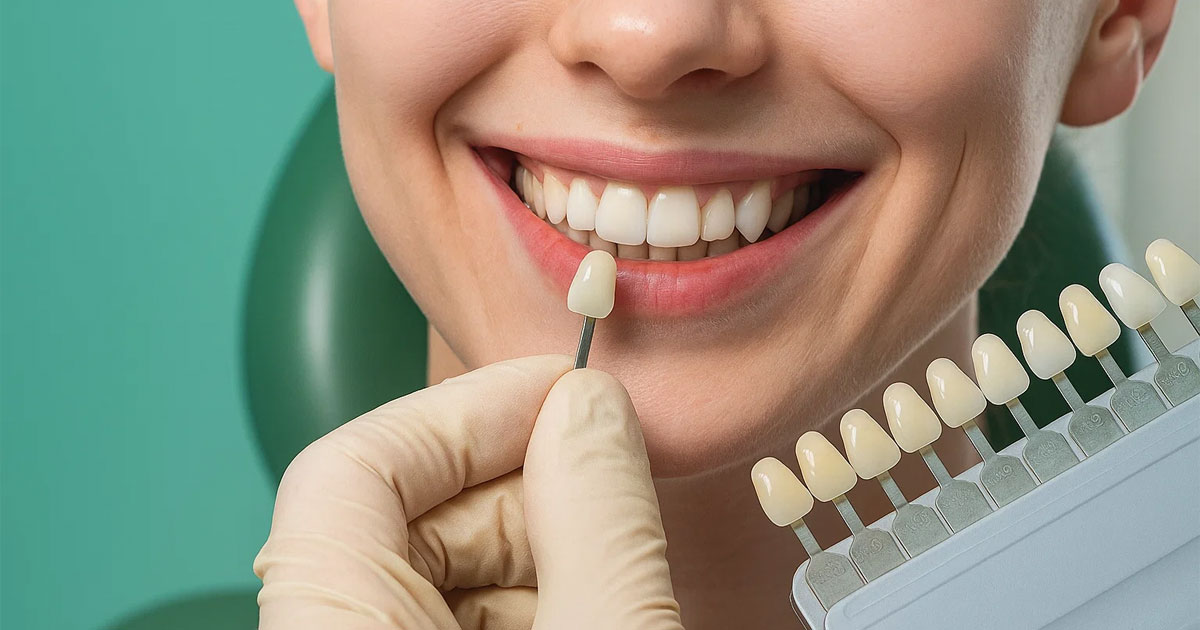

Dentists often find patients weighing dental veneers vs laminates to achieve a smile that appears bright and naturally beautiful. This can create many questions for patients trying to determine whether one treatment method is more durable or less invasive than the other. To ensure you can confidently decide on dental care for yourself, this article outlines both procedures, allowing you to determine which treatment is right for you. So, if you’ve recently been thinking about enhancing the appearance of your smile with dental veneers or laminates, we recommend sticking with us until the end of this article!
What Are Dental Veneers
Dental veneers are thin, customized shells that are crafted to cover the front side of teeth to enhance their appearance. They can be made out of porcelain or resin-based materials, which are cemented to give teeth a new shape or color. Veneers are usually chosen for correcting dental flaws like discoloration or unevenly shaped teeth. Understanding of dental veneers vs laminates will give you insight into how traditional veneers are able to strike the perfect balance between beauty, durability, and full coverage for various dental flaws.

Book Your Consultation Now
Pros and Cons of Porcelain Dental Veneers
Advantages:
- Much stronger and more durable than laminates (can last 15–20 years or longer).
- Can be placed on both front and back teeth (full coverage where needed).
- Ideal for severely broken, cracked, heavily worn, or irregularly shaped teeth.
- Provide excellent strength while still looking completely natural.
Disadvantages:
- Irreversible procedure (a layer of enamel is permanently removed).
- If you ever want them removed or replaced, a more natural tooth must be sacrificed.
- More expensive than laminates.
- More invasive preparation (usually 0.5–1 mm of enamel is shaved off).
- Typically requires 2–3 visits instead of one.
What Are Dental Laminates
Dental laminates are thin shells that need very little work to bond to the existing structure of the tooth. This cosmetic treatment is recognized for its translucency, resulting in a very natural appearance. Dental laminates are considered to be ideal for those individuals wanting to utilize cosmetic treatment on a conservative scale. They can provide very beneficial aesthetic services, and they are ideal for discolored teeth or minor shape corrections. It can easily be seen why dental veneers and dental laminates are so different.
Pros and Cons of Dental Laminates
Advantages:
- Extremely stain-resistant (coffee, tea, and wine cause no discoloration).
- Minimal or zero tooth trimming; preserves almost all natural teeth.
- Ultra-thin, feel natural and comfortable within hours.
- Perfectly mask chips, cracks, gaps, and worn edges.
- Correct minor crookedness or irregular shapes without braces.
- Cheaper than traditional veneers and usually completed in one visit.
- No extra maintenance (just brush and floss normally).
Disadvantages:
- Less durable than full porcelain veneers; may chip or fracture sooner.
- Only covers the front surface (smaller coverage area than veneers).
- Very dark underlying teeth can slightly show through.
- Not suitable for weak, heavily damaged teeth or severe gum disease.
- Hard foods (nuts, ice, biting nails, etc.) should be avoided to prevent damage.
Related Article: Types of Dental Implants: Complete Patient Guide
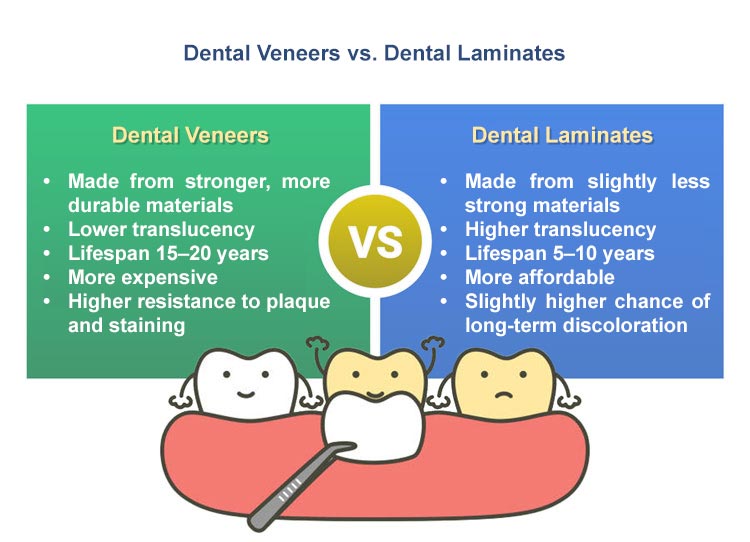
Dental Veneers vs Laminates: Key Differences
The table below highlights key differences for patients to understand how dental veneers and laminates are different in terms of material, treatment method, and long-term outcome:
1. Durability and Longevity Factors
One important consideration for dental veneers vs laminates is durability. Porcelain dental veneers are more durable than others since they can resist staining, wearing, and temperature changes. Composite dental laminates are also durable, but they sometimes need to be repaired or polished to enhance their appearance. Another factor that affects how long dental veneers or dental laminates will last is personal habits, including bite force, personal hygiene, and dental practices. This means that for patients who tend to grind their teeth or eat staining foods, dental laminates will not last long unless they are protected. Protective treatments, such as dental cleaning, can also help both options last longer.
Related Article: Best Tooth Filling Types for Your Needs
2. Tooth Preparation and Aesthetic Results
Tooth preparation can also vary greatly when it comes to dental veneers vs laminates. Veneers can involve more enamel removal to achieve well-fitting teeth. Laminates are thinner, which means that only minimal dental preparation is required. This can also work well for patients seeking to retain more natural tooth structure than usual. Regarding cosmetic capabilities, dental laminates can achieve very good translucency, resembling or approaching that of enamel very effectively, whereas dental veneers can mask stains very well. Both can give very beautiful and natural-looking smile transformations. In some cases, additional procedures like dental bonding can enhance aesthetic results.
3. Material
Dental laminates are crafted exclusively from high-quality porcelain (usually advanced feldspathic porcelain or minimally filled glass-ceramics) that can be made extremely thin while still transmitting light almost identically to natural enamel. E-max veneers use lithium disilicate, a glass-ceramic that is stronger than standard porcelain but slightly less translucent. Zirconia veneers are milled from solid zirconium oxide, an exceptionally hard, almost metal-like ceramic that is completely opaque. Composite veneers aren’t porcelain at all; they’re built directly on the tooth from layers of resin-based filling material. Porcelain-fused-to-metal (PFM) combines a metal substructure with an outer layer of porcelain for added strength, though the metal core can affect gum color over time.
4. Thickness
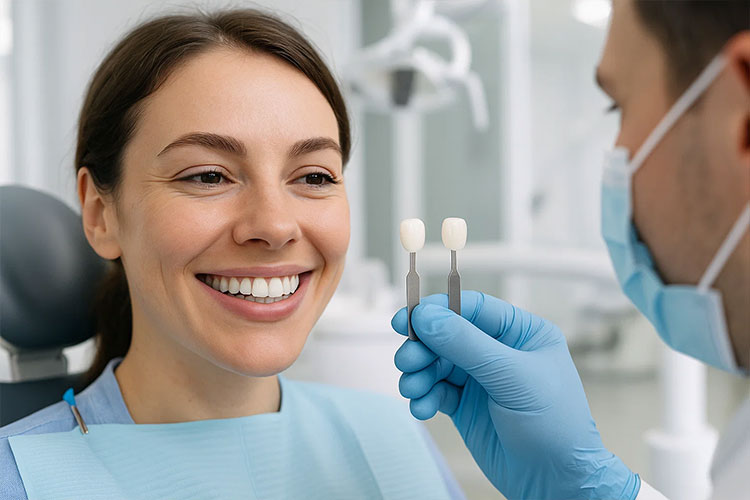
The most striking difference lies in how thin each restoration can be made. Laminates are the thinnest available (typically only 0.1 to 0.3 mm), comparable to a contact lens, which is why they often require little or no tooth reduction at all. E-max follows at around 0.3–0.5 mm, still relatively conservative. Composite can be applied in even thinner layers when only minor corrections are needed, sometimes with zero preparation. Traditional full porcelain veneers usually range from 0.5 to 0.7 mm, while zirconia and PFM are the thickest, demanding 0.8–1.2 mm or more of space, meaning significantly more natural tooth structure must be removed to accommodate them.
5. Cost Considerations for Both Options
Cost is one important aspect that most patients weigh when they are trying to decide between dental veneers vs laminates. Composite laminates are always cheaper and can also be placed within a short period, which saves on costs. Dental veneers are relatively more expensive than dental laminates, mainly because they are laboratory-made products and are more aesthetic. The number of teeth to be treated also affects the prices, as well as how customized they need to be. However, though more expensive, dental porcelain veneers can last longer and save on costs in the long run. (Source)
Choose the Best Option for Your Smile
At Danforth Dental Centre Clinic we help patients understand dental veneers vs laminates and select the option that truly fits their cosmetic goals. Contact our team to feel confident in your next step.
Who Is the Best Candidate for Each Treatment
The decision between dental veneers vs laminates will depend on your dental needs and personal condition, as well as how much enamel you possess. The ideal candidate for a laminate will usually present mild discolorations, shape problems, or sufficient enamel to undertake bonding. Veneers are also ideal for candidates showcasing severe cosmetic flaws, including discolorations, irregular surfaces, or noticeable gaps. Another important requirement for candidates seeking either dental veneers or dental laminates will include healthy gums and possess normal bite functions.
How to Choose Between Veneers and Laminates
Choosing between dental veneers or laminates is simpler once you understand your own personal needs and desires for change within your smile. Here is a list to assist in making informed decisions about whether to pursue dental veneers or dental laminates:
- Determine whether you need a subtle enhancement or a major correction
- Consider how much enamel you are willing to remove
- Evaluate your budget and long-term investment preferences
- Think about your lifestyle habits, such as grinding or frequent consumption of staining foods
- Schedule a professional consultation for personalized guidance
You can evaluate and compare your options effectively with a clear discussion with your dentist to ensure you select one that aligns with your needs.
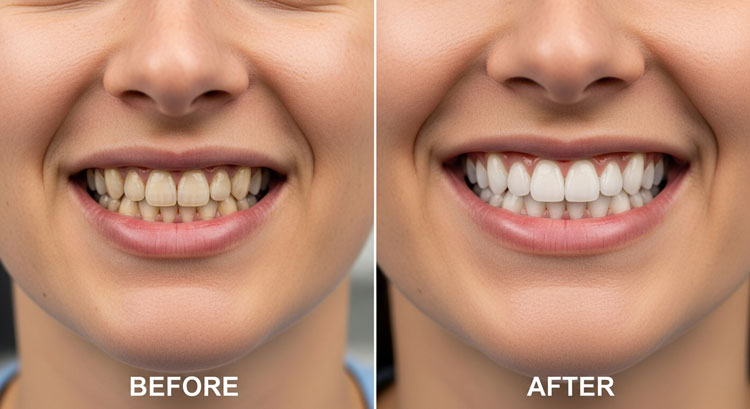
Make an Informed Choice About Dental Veneers vs Laminates
Understanding the differences between veneers and laminates can aid you in making informed decisions about which treatment to opt for, depending on your needs and expectations. Both options provide distinct advantages for correcting or improving the look of teeth to give you your most desirable smile.
If you live in Toronto and are looking for dental veneers or laminates, contact us today at Danforth Dental Centre Clinic! Our specialists will provide you with all the necessary guidance in this regard. In addition, we also offer a wide range of other dental services, including implants, teeth whitening, and dental crowns.
Book Your Consultation Now
FAQ
-
Are laminates the same as veneers?
No. Laminates are thinner and more conservative than veneers and need very little enamel removal for natural-appearing results.
-
Which lasts longer, veneers or laminates?
Both composite veneers and porcelain laminates provide long-lasting outcomes. Laminates can be durable and appear more natural due to their thin, translucent design.
-
Do laminates look more natural than veneers?
Laminates are ultra-thin, and they can also exhibit translucency, which can give you a natural look resembling enamel, depending on your individual case.
-
Are veneers better for heavily stained teeth?
Veneers are usually preferred when there is deeper staining or cosmetic damage that requires more substantial coverage or masking capabilities than bonding.
-
Is the procedure painful?
Patient discomfort is minimal in most cases, and local anesthesia can also be administered to ensure a comfortable treatment.
Have you ever considered veneers or laminates, or have you had experience with these treatments? Share your thoughts or questions in the comments and join the conversation.