
Yes, a sleep apnea device may be covered by insurance, but coverage is different for PAP machines and oral appliances. Ontario’s Assistive Devices Program funds 75% of the ADP-approved price for eligible CPAP, APAP, and BPAP systems. A custom oral appliance does not receive the same ADP funding. A sleep apnea appliance is also different from a custom mouth guard used for sports or teeth grinding.
Private benefits can add another layer of coverage. Some plans reimburse PAP equipment after provincial funding has been applied, while certain plans also recognize oral sleep apnea appliances under medical equipment benefits. Documentation requirements and reimbursement limits depend on the individual policy.

Book Your Consultation Now
Is a Sleep Apnea Device Covered by Insurance?
Coverage depends first on the type of sleep apnea device. CPAP and related positive airway pressure systems have established public funding pathways in Ontario. Custom mandibular advancement devices are treated differently.
Private insurers may also distinguish between the device itself and related costs such as masks, tubing, replacement parts, dental assessments, or follow-up care. You should therefore check the exact benefit category rather than assume all sleep apnea treatment falls under one insurance limit.
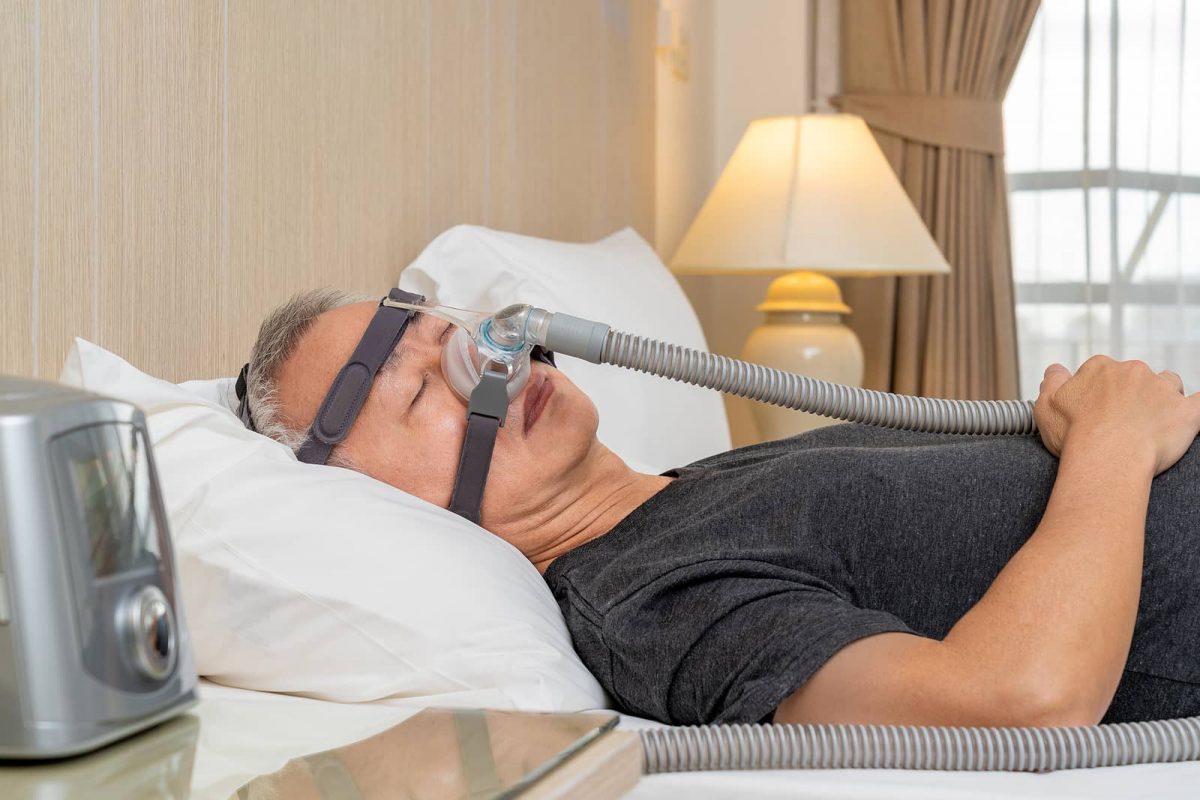
Insurance Coverage For CPAP Machines
Many Ontario patients can receive public assistance for a CPAP machine through ADP if they meet the program’s clinical criteria. The Ontario government states that ADP covers 75% of its approved price for eligible respiratory equipment, including CPAP, APAP, and BPAP systems. The patient generally pays the other 25% plus any optional products or services outside the funded amount.
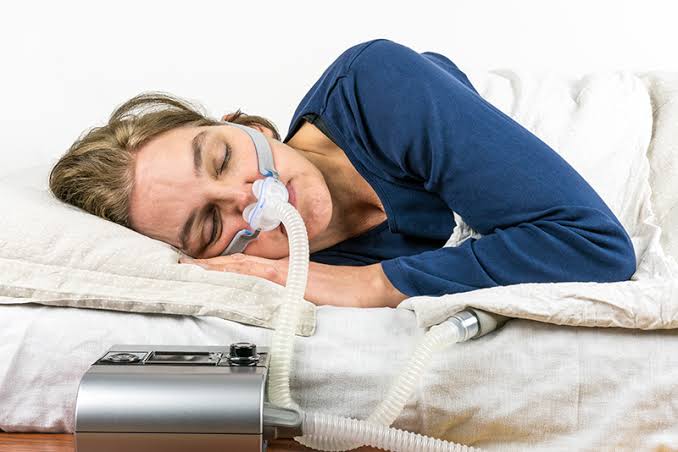
Eligibility requires assessment through an ADP-registered sleep clinic for PAP systems. The equipment must also be obtained through an ADP-registered vendor.
Private health benefits may cover some or all of the remaining patient portion if PAP equipment is included in the plan. Canada Life, for example, has specific PAP assessment forms for certain plans and instructs Ontario claimants to apply to the provincial program before submitting the remaining expense.
Considering a Custom Oral appliance for Sleep Apnea?
Contact Danforth Dentistry to arrange a dental assessment and obtain the information you may need to check your private insurance coverage before treatment.
Insurance Coverage for Oral Appliances
First off, before we get into the insurance coverage part, this is how Mayo Clinic defines oral appliances:
“Mouth devices, also known as oral appliances, are an alternative for some people with mild or moderate obstructive sleep apnea”
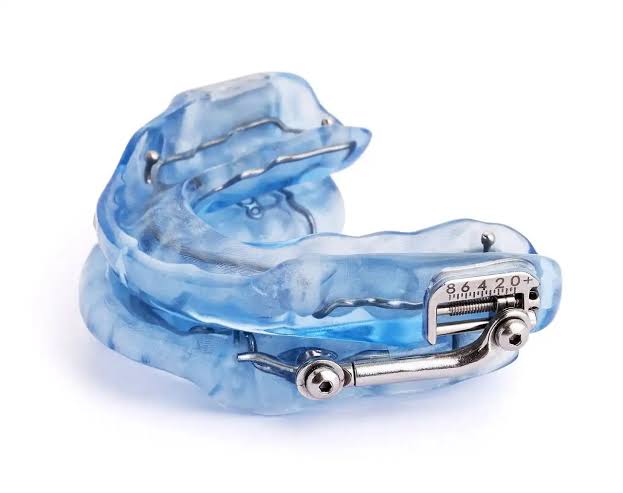
A custom mandibular advancement device may qualify under some private health plans, but Ontario ADP does not fund dental or oral appliances used to treat obstructive sleep apnea. The Ontario respiratory equipment guidance specifically lists these appliances among the program’s exclusions.
Private insurance rules vary considerably. Some plans classify a sleep apnea appliance as breathing equipment or a medical appliance. Certain policies may require evidence that CPAP was tried and could not be tolerated. For example, the federal Public Service Health Care Plan recognizes eligible dental sleep appliances under its aerotherapeutic equipment benefit and requires additional medical documentation; its booklet states that the dental appliance is eligible only when CPAP or BiPAP cannot be tolerated.
That example does not mean all private plans follow the same rule. The patient’s own benefit booklet or insurer determines coverage.
What Determines Whether Your Device Is Covered
Coverage usually depends on the diagnosis, device type, provincial eligibility, and the wording of the private insurance policy. Insurers may also set a maximum reimbursement amount or a replacement interval.
For a PAP machine, Ontario patients may need to use the provincial ADP process before private benefits are considered. For an oral appliance, the insurer may ask for a physician’s diagnosis or prescription plus information about CPAP intolerance.
CPAP vs Oral Appliance Insurance Coverage
| Coverage question | CPAP, APAP or BPAP | Custom oral appliance |
|---|---|---|
| Ontario ADP funding | Yes, for eligible patients | No |
| ADP funding level | 75% of approved price | Not funded |
| Private insurance | Often possible, plan dependent | Possible under some plans |
| Medical documentation | Usually required | Often required |
| Sleep study or diagnosis | Part of the clinical assessment pathway | Usually needed to establish OSA diagnosis |
| Possible preauthorization | Depends on insurer | Commonly worth checking before treatment |
The main difference for Ontario patients is public funding. PAP equipment has an established ADP pathway. Oral appliance therapy relies much more heavily on private benefits or direct payment.
Does OHIP or Ontario ADP Cover Sleep Apnea Devices?
People often refer to this as OHIP coverage, but the equipment funding itself is provided through Ontario’s Assistive Devices Program. ADP requires Ontario residency, a valid Ontario health card, and device-specific clinical eligibility.
For eligible PAP systems, ADP pays 75% of the approved program price. The patient generally pays 25%. Certain social assistance programs may cover additional eligible costs in specific circumstances.
ADP does not cover a dental or oral appliance for obstructive sleep apnea. It also does not generally fund replacement CPAP masks and headgear through its standard respiratory equipment benefit.
This distinction matters when comparing CPAP with oral appliance therapy. Two medically accepted treatments can have very different public funding options.
What Documents Does Insurance Usually Require?
The exact paperwork depends on the insurer, but patients are commonly asked to provide supporting medical information before a sleep apnea device claim is approved.
Typical requirements may include:
- A sleep apnea diagnosis or sleep study report
- A prescription or physician referral
- An estimate for the device before purchase
- The final paid receipt
- ADP documentation for an Ontario PAP claim
- Evidence of CPAP intolerance if the policy requires it for oral appliance coverage
Canada Life’s PAP assessment process, for example, requires physician involvement, and its Ontario instructions require provincial health program funding to be considered before the private claim.
For an oral appliance, patients should ask the insurer exactly which provider must prescribe the treatment and which documents must accompany the claim.
How Much Could You Still Pay Out of Pocket?
For an eligible PAP system under Ontario ADP, the patient normally pays 25% of the ADP-approved price. Optional upgrades or products outside the approved amount can increase the patient’s cost. ADP also excludes some replacement supplies, including replacement CPAP masks and headgear.
Private insurance may reimburse part of that remaining cost. Reimbursement depends on the plan’s maximum and the insurer’s definition of eligible equipment.
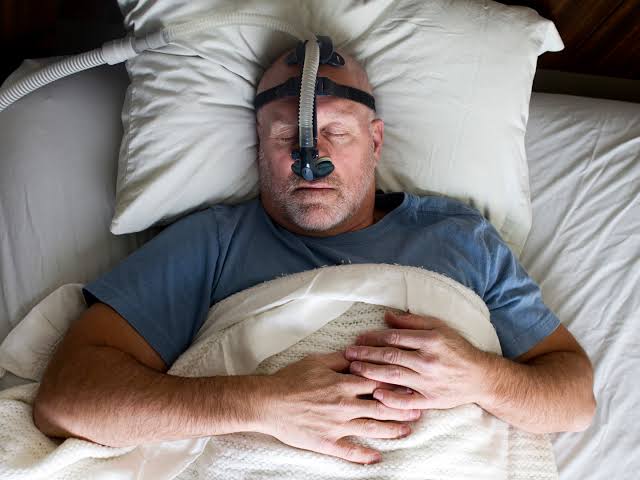
A custom oral sleep apnea appliance can involve a larger direct expense because ADP does not fund it. Private benefits may reduce that cost if the policy includes oral sleep apnea appliances, but there may be deductibles or reimbursement limits.
Patients should also distinguish the appliance fee from related care. Dental examinations, imaging, adjustments, replacement appliances, and follow-up sleep testing may be handled under separate benefit categories.
How to Check Your Coverage Before Getting a Device
Because insurance rules differ for snoring and sleep apnea devices, it is important to verify your specific coverage before starting treatment.
Before purchasing a CPAP system or having a custom oral appliance made, contact the insurer and provide the exact treatment description. Asking only whether “sleep apnea treatment” is covered may produce an incomplete answer.
For CPAP, ask about medical equipment benefits and how the insurer coordinates with Ontario ADP. Confirm the reimbursement limit and replacement schedule.
For an oral appliance, use the terms “custom mandibular advancement device for obstructive sleep apnea” or “oral appliance therapy.” Ask if the plan requires:
- A physician prescription
- A diagnostic sleep study
- Proof that CPAP was not tolerated
- Preauthorization before the appliance is made
- A specific provider qualification
- An estimate before treatment
Get the answer in writing when possible. This reduces the chance of discovering after treatment that the device falls under an exclusion or a different benefit category.
Conclusion
A sleep apnea device may be covered by insurance, but the amount depends heavily on the device. Eligible CPAP, APAP, and BPAP systems can receive 75% ADP funding in Ontario, while ADP excludes oral appliances for obstructive sleep apnea. Private insurance may help with either treatment when the policy includes the relevant benefit.
Danforth Dentistry can assess the dental side of oral appliance therapy and provide the clinical information needed for an appliance estimate. Patients considering this option should confirm their sleep apnea diagnosis with their physician and check private insurance requirements before the appliance is made.
Book Your Consultation Now
FAQ
These FAQs address common insurance questions about CPAP machines and custom sleep apnea appliances.
-
Does insurance cover a custom oral appliance for sleep apnea?
Some private insurance plans do. Ontario ADP does not cover dental or oral appliances for obstructive sleep apnea, so private benefits and the individual policy determine reimbursement.
-
Does insurance cover a CPAP machine in Ontario?
Eligible Ontario residents may receive ADP funding for 75% of the approved price of a CPAP, APAP, or BPAP system. Private insurance may help with the remaining eligible amount.
-
Do I need a sleep study for insurance coverage?
Often, yes. A documented sleep apnea diagnosis is commonly part of the clinical and insurance process, although the exact paperwork depends on the treatment and insurer.
-
Is a prescription required for a sleep apnea device?
Medical authorization is commonly required for PAP equipment, and private insurers may require a prescription or physician documentation for an oral appliance as well.
-
Can insurance cover a sleep apnea device if I cannot tolerate CPAP?
Possibly. Some private plans specifically allow oral sleep apnea appliance coverage when CPAP cannot be tolerated, but this is policy-specific and may require documentation.