

Deciding to straighten your teeth is a significant step towards improving your oral health and how you feel about your smile. For many in Toronto, the main question comes down to two popular options: Invisalign clear aligners or traditional braces. Both are effective, but they work differently and suit different lifestyles and dental needs. Understanding these differences is key to choosing the right path for you.
This guide breaks down what you need to know about each option so you can approach your consultation with a clear understanding of what might be best for you.

Book Your Consultation Now
Understanding Your Options: Invisalign Clear Aligners
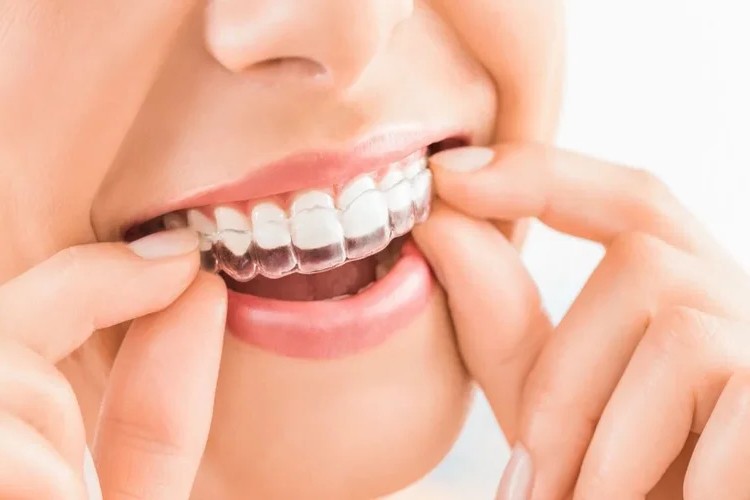
Invisalign is a system of clear, removable aligners designed to gradually shift your teeth into the desired position. You wear each set of custom-made aligners for about one to two weeks before moving to the next set in the series. The aligners are virtually invisible, making them a discreet choice for many adults and teenagers.
The Advantages of Invisalign
- Aesthetics: The clear aligners are very difficult to notice, a major benefit for those concerned about their appearance during treatment.
- Removability: You can take your aligners out to eat, brush, and floss. This means no food restrictions and easier oral hygiene.
- Comfort: Without wires and brackets, Invisalign typically causes less irritation to the soft tissues of your mouth compared to traditional braces. Many Toronto patients find them more comfortable.
- Predictability: We use advanced 3D imaging to map out your entire treatment plan from start to finish. You can often see a virtual representation of your future smile before you even begin.
Considerations for Invisalign
- Compliance: For Invisalign to work, you must wear your aligners for 20-22 hours per day. Forgetting to wear them or losing aligners can extend your treatment time.
- Not for Every Case: While highly effective for many common issues, some very complex orthodontic cases might still be better suited for traditional braces.
- Cost: For many, the Invisalign cost in Toronto can be similar to or slightly more than traditional braces, depending on the complexity and duration of treatment.
Understanding Your Options: Traditional Braces
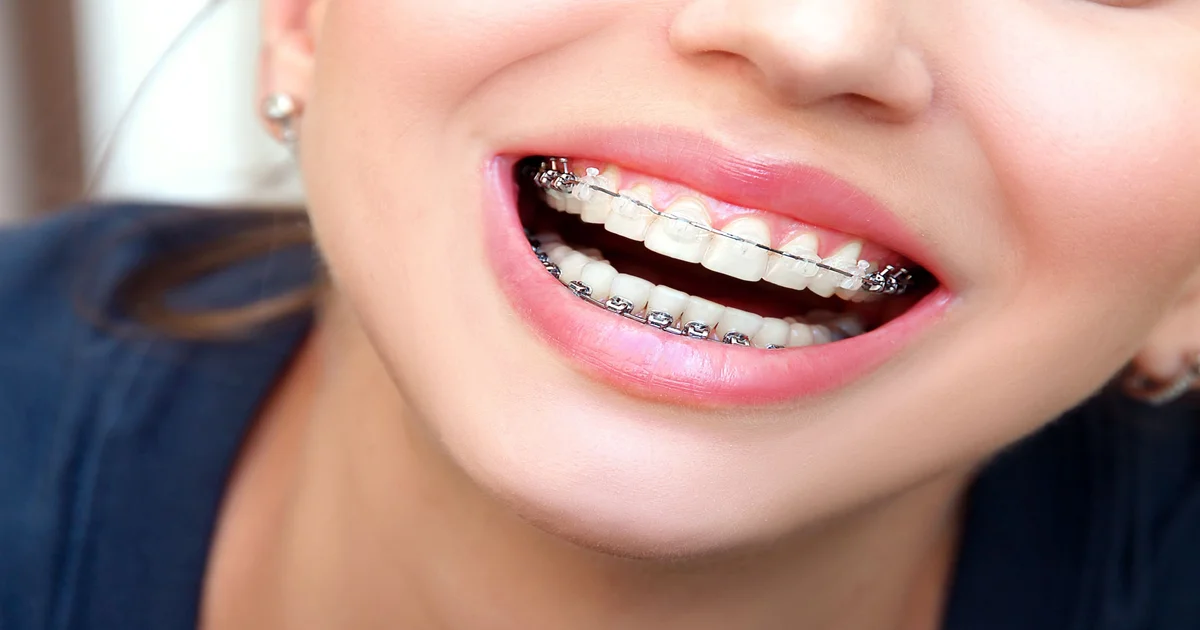
Traditional braces have been a reliable method for straightening teeth for decades. They consist of metal brackets bonded to your teeth, connected by a wire that is adjusted periodically to apply gentle pressure and guide teeth into alignment. Modern braces are smaller and more streamlined than those of the past.
The Advantages of Traditional Braces
- Effectiveness for Complex Cases: Braces are highly effective for even the most severe orthodontic problems, offering precise control over tooth movement.
- Non-Removable: Once bonded, braces work continuously. There is no compliance issue with remembering to wear them, as they are always in place.
- Durability: Modern braces are quite strong and durable.
- Cost-Effective: Often, orthodontics with traditional braces can be a more budget-friendly option for some Toronto patients.
Considerations for Traditional Braces
- Appearance: The metal brackets and wires are noticeable, which can be a concern for some adults and teenagers.
- Diet Restrictions: Certain foods, like sticky candies, hard nuts, and popcorn, must be avoided to prevent damage to the brackets and wires.
- Oral Hygiene: Cleaning around brackets and wires requires more effort and specialized tools to prevent plaque buildup and cavities.
- Comfort: It is common to experience some initial discomfort or soreness after adjustments. Wires can sometimes poke, and brackets can cause mouth sores from braces.
Invisalign vs. Braces: A Detailed Comparison
To help you compare clear aligners vs metal braces side-by-side, here is a breakdown of key factors:
| Feature | Invisalign Clear Aligners | Traditional Braces |
|---|---|---|
| Appearance | Virtually invisible, clear plastic aligners. | Visible metal brackets and wires, though smaller than in the past. |
| Removability | Removable for eating, drinking (anything other than water), brushing, and flossing. | Fixed to teeth for the entire treatment duration. |
| Comfort | Smooth plastic generally causes less irritation to cheeks and gums. Initial pressure when changing aligners. | Metal brackets and wires can cause rubbing, irritation, and soreness, especially after adjustments. |
| Oral Hygiene | Remove aligners to brush and floss normally, making cleaning easier. | Requires careful brushing and flossing around brackets and wires; specialized tools are often needed. |
| Diet Restrictions | None, as aligners are removed for meals. | Restrictions on sticky, hard, or crunchy foods to prevent damage. |
| Treatment Duration | Typically 6-18 months, depending on complexity and patient compliance. | Typically 18-36 months, depending on complexity. |
| Cost (Toronto) | Ranges from $4,000 to $9,000+, varying by complexity and length. | Ranges from $3,000 to $8,000+, varying by complexity and type (metal, ceramic). |
| Suitability for Cases | Effective for mild to moderate crowding, spacing, overbites, underbites, and crossbites. | Highly effective for all types of orthodontic issues, including severe cases. |
When considering the cost of Invisalign in Toronto or braces in Toronto, remember that these are general ranges. Your specific cost will depend on the extent of correction needed, the estimated treatment time, and any specific features of your treatment plan. We provide clear estimates after your initial assessment.
Who is a Candidate for Each?
The best way to determine if Invisalign or traditional braces are right for you is through a thorough dental examination. However, some general guidelines can help:
Invisalign Candidates
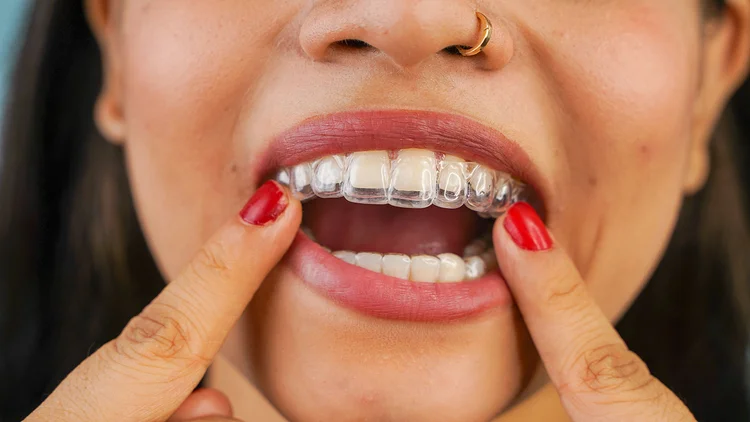
Invisalign is an excellent option for many adults and teenagers who want a less noticeable treatment method. It works well for correcting common issues like gaps between teeth, overcrowding, and certain bite problems. If you are diligent about wearing your aligners and maintaining them, Invisalign can deliver fantastic results.
Traditional Braces Candidates
Traditional braces are often recommended for more complex cases, including severe misalignment, significant bite discrepancies, or situations where precise tooth movement is critical. They are also a good choice for younger patients who might struggle with the compliance required for removable aligners. Many adult braces Toronto patients choose traditional braces for their reliability and effectiveness.
Let’s wrap up this section with a quote from the NIH:
“Traditional braces give you more control over how your teeth move and may provide better long-term stability than Invisalign, but Invisalign may also offer a quicker treatment time and improved patient comfort and aesthetics.”
Invisalign or Braces?
If you are considering Invisalign or braces and are unsure which option is right for you, schedule a consultation with a trusted dental professional. A personalized assessment can help you choose the most effective treatment plan for your smile and long-term oral health.
Making Your Decision in Toronto
Choosing between Invisalign and braces is a personal decision. It involves weighing your priorities regarding aesthetics, lifestyle, budget, and the specific needs of your teeth. For some, the discreet nature of Invisalign outweighs other factors. For others, the proven effectiveness and lower cost of traditional braces are more appealing.
What matters most is achieving a healthy, functional, and attractive smile. Both treatments are effective tools for correcting dental issues. Consulting with a dental professional is the crucial next step. We can assess your oral health, discuss your goals, and recommend the treatment that aligns best with your needs.
Whether your interest is purely cosmetic or you need significant correction, getting expert advice will clarify your best path forward. We can also discuss how your choice might tie into broader cosmetic dentistry goals.
Ready to Achieve Your Straighter Smile?
Choosing between Invisalign and braces is a significant decision for your oral health and appearance. Here at Danforth Dentistry, we are committed to providing you with all the information and support you need to make the best choice for your unique situation. We serve the Toronto community and are ready to help you achieve the straight, healthy smile you deserve.
We invite you to schedule a consultation. During this visit, we will thoroughly examine your teeth, discuss your aesthetic goals, and walk you through the specifics of both Invisalign and traditional braces. Together, we can determine the most effective and comfortable path for you to straighten your teeth in Toronto.
Book Your Consultation Now
FAQ
-
How long does orthodontic treatment typically take?
Treatment times vary significantly based on the complexity of your case and the chosen method. Invisalign can range from 6 to 18 months, while traditional braces might take 18 to 36 months. Less complex cases may finish sooner, and severe cases could take longer.
-
Is the treatment painful?
Both Invisalign and braces involve some level of discomfort as your teeth begin to move. With Invisalign, you might feel pressure for a day or two after switching to a new set of aligners. With braces, soreness is common after adjustments, and the brackets and wires can cause temporary irritation to your cheeks and lips. Over-the-counter pain relievers can help manage this.
-
What about retainers after treatment?
Regardless of whether you choose Invisalign or braces, wearing a retainer after your active treatment is essential. Retainers prevent your teeth from shifting back to their original positions, ensuring your hard-earned results last. This is a lifelong commitment.