
Many people consider orthodontic treatment to straighten their teeth or correct bite issues. A common question we hear is, “How much do braces cost in Canada?” It is an important question, and understanding the financial aspect helps you prepare for your smile goals. The cost of braces in Canada can vary significantly, depending on several factors. We will break down these elements for you.
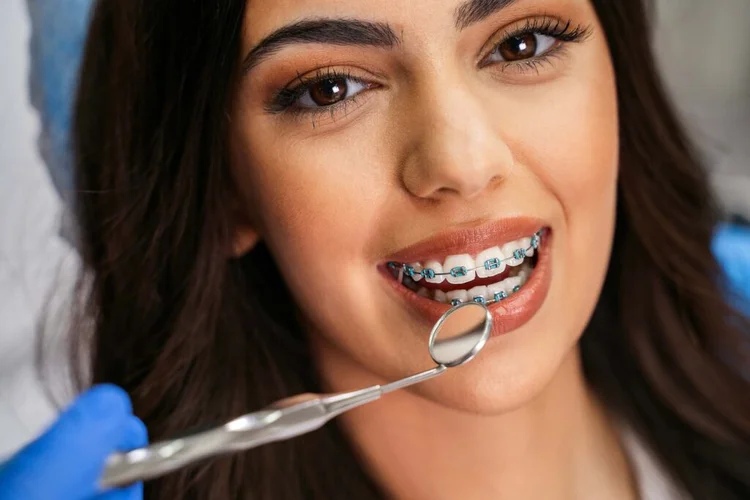
Factors Influencing Braces Cost in Canada
The total cost of orthodontic treatment is not a single, fixed price. Several key elements contribute to the overall fee. Knowing these factors helps explain the range in the average cost of braces in Canada.

Book Your Consultation Now
Type of Braces
The material and technology used for your braces play a significant role in the price, just like other cosmetic dentistry services. Different types of braces offer distinct benefits and come with varying price tags.
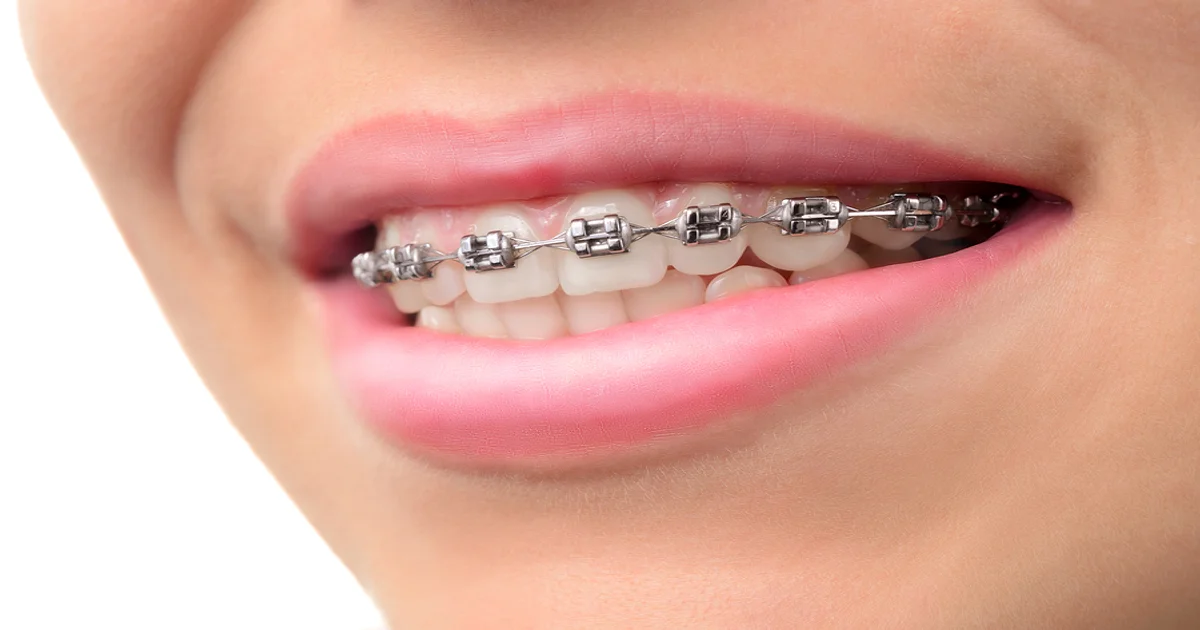
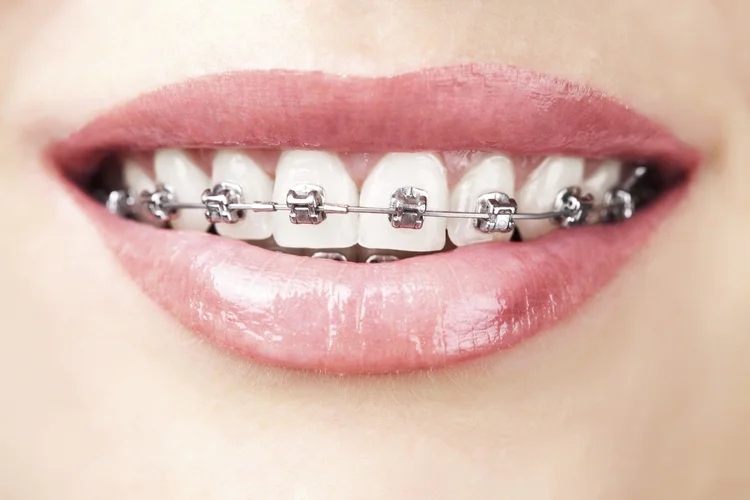
- Traditional Metal Braces: These are the most common and often the most affordable option. They use high-grade stainless steel brackets and wires to move teeth effectively.
- Ceramic Braces: Made from clear or tooth-coloured materials, ceramic braces are less noticeable than metal ones. They blend in with your teeth, but they can be slightly more expensive due to the materials used and their aesthetic appeal.
- Lingual Braces: Placed on the inside surface of your teeth, lingual braces are virtually invisible from the outside. They are custom-made for each tooth, making them one of the most expensive options due to the specialized customization and placement process.
- Clear Aligners (e.g., Invisalign): These are a series of custom-made, removable clear plastic trays that gradually shift your teeth. They are popular for their discreet appearance and convenience. The cost is often comparable to or slightly higher than that of ceramic braces, depending on the complexity and number of aligners required.
Complexity of Your Case
The severity of your orthodontic issues directly impacts the treatment plan and its cost. Minor adjustments for slightly crooked teeth will generally be less expensive than correcting significant overcrowding, large gaps, or complex bite problems. More extensive cases require more time and more intricate adjustments.
Duration of Treatment
Longer treatment times typically mean more appointments, more adjustments, and more materials used, which can increase the overall cost. Most orthodontic treatments last between 18 and 36 months, but this can vary greatly based on individual needs.
Location of Your Orthodontist
Geographic location is another significant factor. Dental and orthodontic services can have different pricing structures across Canada. Major urban centres like Toronto often have higher overhead costs, which can reflect in the cost of braces in Toronto compared to smaller towns.
Experience and Expertise of the Orthodontist
While all licensed orthodontists are qualified, those with extensive experience or specialized training might set their fees differently. You are paying for their skill, precision, and the quality of care they provide throughout your orthodontic journey.
Average Cost of Braces in Canada
It is challenging to give an exact figure without a consultation, but we can provide a general range for the average cost of braces in Canada. These are estimates, and your specific needs will determine the final price. The orthodontic treatment cost in Canada typically includes the initial consultation, X-rays, impressions, the braces themselves, all adjustment appointments, and a set of retainers after treatment.
| Type of Braces | Estimated Cost Range (CAD) | Notes |
|---|---|---|
| Traditional Metal Braces | $3,000 – $8,000 | Most common and often the most budget-friendly option. |
| Ceramic Braces | $4,000 – $9,000 | Aesthetic option, less visible than metal. |
| Clear Aligners (e.g., Invisalign) | $4,000 – $9,000 | Removable and nearly invisible, popular for adults. |
| Lingual Braces | $8,000 – $12,000+ | Custom-made and placed behind the teeth; highest cost. |
| Self-Ligating Braces | $4,000 – $8,500 | Similar to metal/ceramic but use a built-in clip system. |
Braces Cost in Toronto and Danforth
As mentioned, costs can be higher in major metropolitan areas. In Toronto, including our Danforth neighbourhood, you can expect the cost of braces to fall within or sometimes slightly above the general Canadian ranges. This is due to factors like higher operational costs and the demand for specialized services in a large city.
When you are looking for orthodontic care in our area, remember that these ranges are starting points. A detailed assessment is always necessary to provide an accurate quote for your specific situation.
Ask Us About The Cost Of Braces
If you are thinking about getting braces and want expert guidance on your options, visit Danforth Dentistry today. Our team is here to help you achieve a healthier, more confident smile with personalized orthodontic care that fits your needs.
Payment Plans and Insurance For Braces
We understand that the cost of braces can be a significant investment. Fortunately, there are several options available to help make orthodontic treatment more manageable.
Dental Insurance Coverage
Many dental insurance plans in Canada offer some coverage for orthodontic treatment. The extent of coverage varies widely between providers and policies. Some plans might cover a percentage of the total cost, while others have a lifetime maximum for orthodontic benefits. It is always best to check with your insurance provider directly to understand your specific benefits and limitations regarding braces payment plans in Canada.
This is also what Healthline says about insurance coverage for braces:
“As a rough guideline, you can expect to pay from $3,000 to more than $10,000. Most dental insurance companies won’t cover the cost for adults, but may offer coverage for children.”
Flexible Payment Options
Most dental practices, including ours, offer flexible payment plans. These plans allow you to spread the cost of treatment over several months or years, often with no interest or low-interest financing options. This can significantly reduce the immediate financial burden, making affordable orthodontics in Canada a reality for more patients.
Government Programs and Tax Credits
In some cases, government programs or tax credits might offer assistance. For instance, the Canada Dental Care Plan (CDCP) is a new initiative, and while its specific coverage for orthodontics is still developing, it aims to reduce financial barriers to dental care. Additionally, medical expenses, including orthodontic treatment, may be eligible for tax credits. Consult with a tax professional for detailed information.
Is Orthodontic Treatment Worth the Investment?
Beyond aesthetics, orthodontic treatment offers numerous long-term health benefits. Straight teeth are easier to clean, reducing the risk of cavities and gum disease. A properly aligned bite can alleviate issues like jaw pain, difficulty chewing, and excessive wear on tooth enamel. Investing in your oral health through braces can prevent more serious and costly dental problems down the road. It also contributes to overall well-being and how you feel about your smile.
We believe everyone deserves the opportunity to achieve a healthy, functional smile. Our team is here to guide you through the process, from your initial assessment to understanding your financial options.
Ready to Ask About Braces Cost in Canada?
Understanding how much braces cost in Canada is the first step toward achieving the smile you want. We hope this guide has provided clarity on the various factors and options available. While this article offers general information, your specific needs require a personalized assessment.
The cost of braces in Canada can vary depending on the type of treatment, the complexity of your case, and the length of your orthodontic care. Understanding your options and discussing a personalized treatment plan with Danforth Dentistry can help you choose the best solution for your smile and budget.
Book Your Consultation Now
FAQ
-
How long does orthodontic treatment usually take?
Treatment duration varies widely based on the complexity of your case and the type of braces you choose. On average, it can range from 18 to 36 months. Minor adjustments might take less time, while complex cases could take longer.
-
Are retainers included in the cost of braces?
Typically, the cost of retainers, which are essential for maintaining your new smile after braces, is included in the overall treatment fee. We will discuss this in detail during your consultation.
-
Can I use my Health Spending Account (HSA) or Flexible Spending Account (FSA) for braces?
Yes, orthodontic treatment is generally considered a qualified medical expense, making it eligible for reimbursement through HSAs and FSAs. Always confirm with your plan administrator.