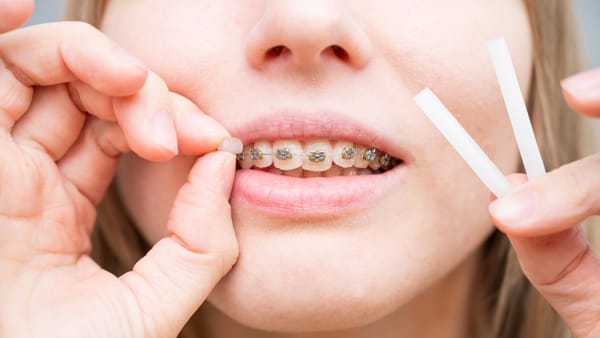

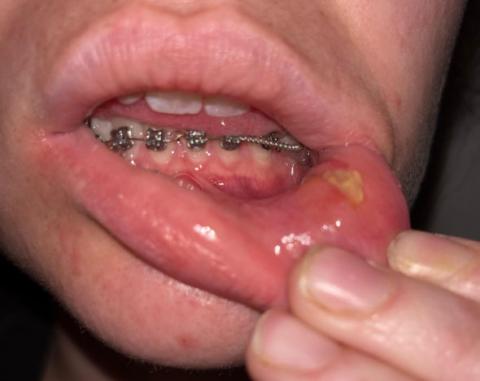
Mouth sores from braces are common during the early stages of orthodontic treatment. Brackets, wires, and other orthodontic components can rub against the inside of the cheeks, lips, or tongue, causing irritation. These sores often appear as small red patches, ulcers, or canker sores on soft tissue.
Many patients search for pictures to compare their symptoms and determine whether the irritation is typical. In most cases, these sores are part of the adjustment period as your mouth adapts to braces.
In this article, we explain what mouth sores from braces typically look like, why they occur, and how to manage them safely.

Book Your Consultation Now
What Mouth Sores from Braces Look Like
Mouth sores caused by braces can appear in several forms depending on the type of irritation. While photos can help patients identify symptoms, recognizing the common patterns is equally important.
Canker Sores Caused by Bracket Friction
These sores usually appear as small, round ulcers with a white or yellow center surrounded by a red border. They may develop where orthodontic brackets rub against the inner cheeks or lips.
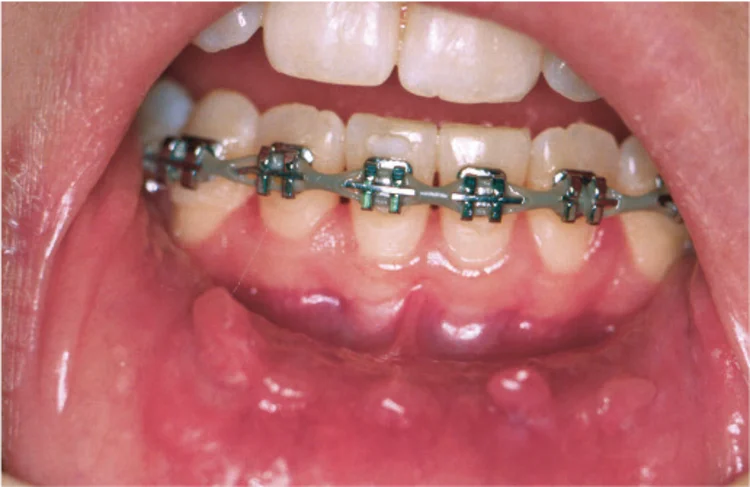
Canker sores are not contagious but can be painful, especially when eating acidic or spicy foods.
Irritated Cheek or Lip Tissue from Braces
Sometimes irritation appears as a red patch or slightly swollen area rather than a defined ulcer. This occurs when braces repeatedly rub against the soft tissue of the cheek or lip.
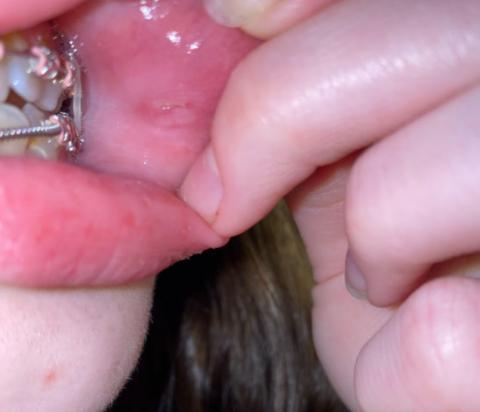
The irritation usually improves once the tissue adapts to the brackets.
Ulcers That Develop During Orthodontic Adjustment
After tightening appointments during orthodontic treatment, pressure and friction may temporarily increase. This can lead to small mouth ulcers that typically heal within several days.
Read more: Braces with Crowns or Veneers
How to Treat Mouth Sores from Braces
Most mouth sores heal on their own within 7–10 days. However, several remedies can reduce discomfort and speed up healing:
- Apply orthodontic wax over the brackets that cause irritation
- Rinse with warm salt water to soothe the tissue
- Avoid acidic, spicy, or crunchy foods
- Maintain good oral hygiene with gentle brushing
- Use over-the-counter oral gels if recommended by your dentist
Maintaining excellent oral hygiene with regular dental cleanings can also help reduce irritation and prevent plaque buildup around braces.
Why Braces Can Cause Mouth Sores
Mouth sores during orthodontic treatment are usually caused by friction, pressure, or temporary irritation of the soft tissues inside the mouth. Because braces introduce new surfaces, such as brackets and wires, the cheeks, lips, and tongue may take time to adjust. The following factors are the most common reasons patients develop mouth sores from braces.
Friction from Orthodontic Brackets
Brackets are small metal or ceramic attachments bonded to the teeth. When braces are first placed, the inside of your cheeks and lips may rub against these brackets repeatedly. This friction can irritate the soft tissue and lead to small ulcers or red sore spots.
Over time, the tissues inside the mouth usually toughen slightly and adapt, which reduces the likelihood of sores.
Pressure from Orthodontic Adjustments
During routine orthodontic adjustments, wires are tightened to gradually move teeth into their correct positions. This pressure can cause temporary inflammation in the surrounding tissues, sometimes triggering mouth ulcers or tender spots inside the cheeks. These sores typically appear shortly after an adjustment appointment and heal within several days.
Sharp or Protruding Wires
Occasionally, orthodontic wires may extend slightly beyond the last bracket or shift during treatment. When this happens, the wire may poke or rub against the inner cheek or tongue, creating irritation or sores. Applying orthodontic wax can help protect the tissue until the wire is adjusted by your dentist or orthodontist.
Accidental Cheek or Lip Biting
As teeth move into new positions during orthodontics, your bite can temporarily change. This adjustment period sometimes causes patients to accidentally bite their cheek or lip, which can create a sore or ulcer. This issue usually resolves once the bite stabilizes and the mouth adapts to the new tooth positions.
How to Prevent Mouth Sores During Orthodontic Treatment
While some irritation is unavoidable during the early stages of treatment, certain steps can minimize the risk of sores:
- Apply orthodontic wax to new brackets or wires
- Keep braces clean to reduce bacterial irritation
- Avoid hard or sticky foods that may damage braces
- Rinse your mouth regularly after meals
- Attend routine orthodontic and dental checkups
Proper care during orthodontics helps ensure smoother treatment and fewer discomfort episodes.
When Mouth Sores May Need Dental Attention
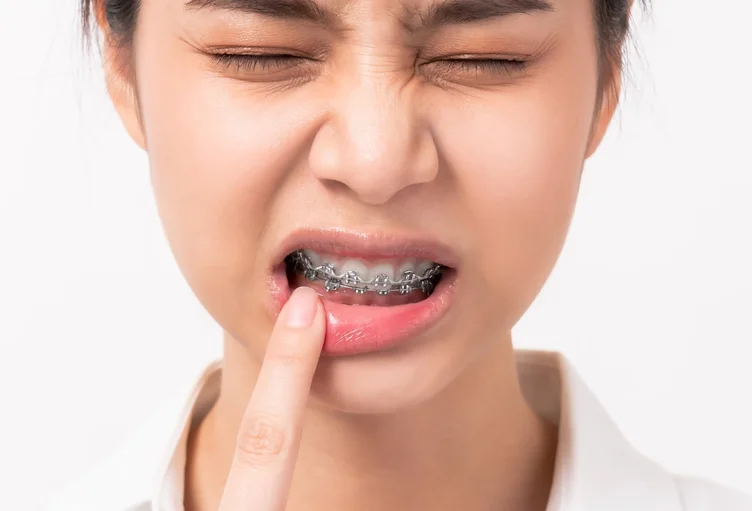
Although most sores are harmless, you should contact your dentist if:
- Sores persist longer than two weeks
- Pain becomes severe or interferes with eating
- You notice unusual swelling or infection
- A wire or bracket appears broken or displaced
Your dentist or orthodontist can adjust your braces, smooth rough edges, or provide treatment to help the tissue heal.
Ask Us About Orthodontics
If you are experiencing persistent irritation or painful sores while wearing braces, the team at Danforth Dentistry can help. Our orthodontics services focus on comfortable, carefully monitored treatment to keep your smile healthy throughout the process.
Speaking of mouth sores, the Healthline website says:
“Mouth sores have many possible causes, such as infections, trauma, and tobacco use. Seek care for certain mouth sores, like ones with white patches or that develop after you start a new medication.”
Reduce Discomfort From Braces Mouth Sores
Mouth sores are a common part of adjusting to braces. Friction from brackets, pressure from adjustments, and temporary soft tissue irritation can all cause ulcers or red patches inside the mouth. Fortunately, these symptoms usually improve as the mouth adapts to orthodontic treatment.
If discomfort persists or unusual sores appear, consulting your dentist ensures your treatment continues safely and comfortably. That’s why you can rely on Danforth Dentistry for the best possible dental and oral care.
Book Your Consultation Now
FAQ
-
Are mouth sores common when you first get braces?
Yes. Many patients experience mild sores or irritation during the first few weeks of orthodontics as the mouth adjusts to brackets and wires.
-
How long do mouth sores from braces last?
Most sores heal within 7–10 days once the tissue has adapted or the source of irritation has been reduced.
-
Does orthodontic wax help with brace irritation?
Yes. Orthodontic wax creates a protective barrier between brackets and soft tissue, reducing friction and helping sores heal faster.
Have you experienced mouth sores while wearing braces?
Share your questions or concerns below, and our dental team will help guide you through the best solutions for managing orthodontic discomfort.