

Seeing blood after a tooth extraction can be stressful, especially if you’re not sure what’s normal and what’s not. Many patients worry that something has gone wrong, even when the healing process is actually on track. The truth is, some bleeding after a tooth extraction is expected, but knowing how much is normal, how long it should last, and what you can do to stop it makes all the difference.
In this guide, we’ll explain everything you need to know about bleeding after tooth extraction in clear, simple terms. You’ll learn practical at-home steps to control bleeding, common mistakes to avoid, and the signs that mean it’s time to contact your dentist.

Book Your Consultation Now
Is Bleeding After Tooth Extraction Normal?
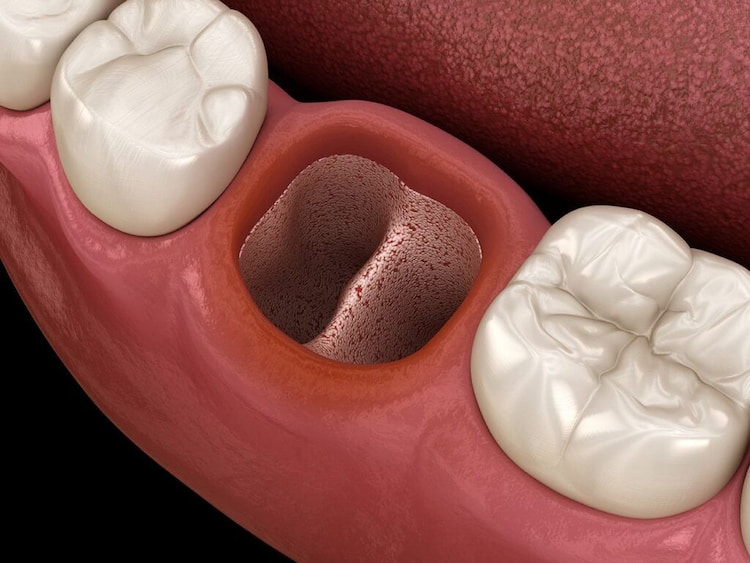
Yes, bleeding after tooth extraction is completely normal, especially during the first few hours. When a tooth is removed, a small wound is left behind in the gum and bone. Your body naturally responds by forming a blood clot in the socket, which acts like a protective bandage while healing begins.
Light bleeding or oozing is expected on the day of the extraction. You might notice pink-colored saliva or mild bleeding when you change your gauze. This does not usually mean there’s a problem. In most cases, the bleeding slows down as the clot stabilizes.
However, bleeding should gradually improve, not worsen. If bleeding continues heavily or restarts after stopping, it may mean the clot has been disturbed or didn’t form properly.

How Long Does Bleeding After Tooth Extraction Last?
For most people, bleeding significantly slows within 2 to 4 hours after the procedure. Minor oozing can continue for up to 24 hours, especially after eating or talking more than usual. Here’s a general idea of what’s normal:
- First few hours: Active bleeding or oozing is common
- Same day: Bleeding should slow and become minimal
- Next day: Light pink saliva may still appear
- After 24 hours: Bleeding should mostly stop
If bleeding continues beyond 24 hours or becomes heavier instead of lighter, it’s important to take action and possibly contact your dentist.
Worth Reading: Toothache at Night: Best Sleeping Positions for Relief
How to Stop Bleeding After Tooth Extraction at Home
Before trying specific techniques, it’s important to stay calm. Stress and constant checking can actually make bleeding worse. The goal is to help your body form and protect a stable blood clot.
1. Bite Down on Gauze the Right Way
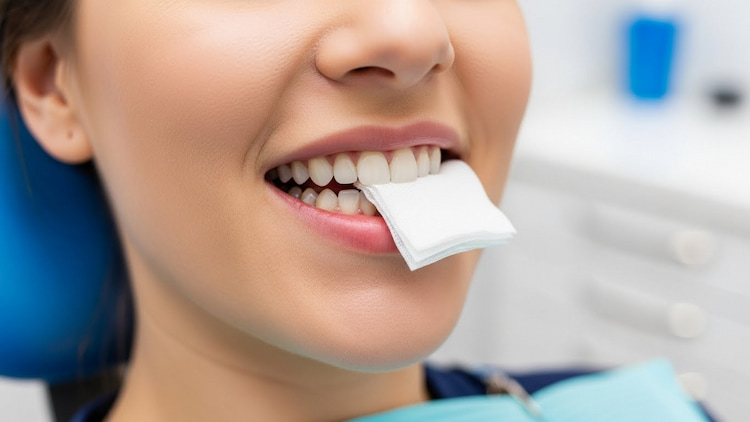
Biting on gauze helps apply steady pressure to the extraction site, which encourages clot formation. This is one of the most effective ways to stop bleeding. To do this properly:
- Place clean, folded gauze directly over the extraction site
- Bite down firmly (not gently) for 30-45 minutes
- Avoid talking or chewing during this time
- Replace with fresh gauze if bleeding continues
Removing the gauze too often can disturb the clot, so give it time to work.
2. Use a Tea Bag to Help Clotting
If bleeding continues, a black tea bag can be very helpful. Black tea contains tannins, which help blood clot and reduce bleeding. You can steep a black tea bag in hot water and let it cool until warm (not hot). Then, place it over the extraction site and bite down gently for 30 minutes. Many patients find this works when gauze alone doesn’t.
3. Keep Your Head Elevated
Lying flat can increase blood flow to the mouth, which may prolong bleeding. Keeping your head elevated helps reduce pressure at the extraction site. Try to sit upright or recline with your head supported, use extra pillows when lying down, and avoid bending over or heavy physical activity. This is especially important during the first day after extraction.
4. Avoid Rinsing, Spitting, and Straws
These actions can dislodge the blood clot, restarting bleeding and delaying healing. For at least 24 hours, do not rinse your mouth forcefully, avoid spitting, do not use straws, and avoid smoking or vaping. Protecting the clot is key to stopping bleeding and preventing complications like dry socket.
If you’ve extracted your teeth to place dental implants, this article is worth reading: Top 10 Dental Implant Brands in 2025
Contact Our Team If the Bleeding Isn’t Normal
If bleeding after your tooth extraction doesn’t seem normal or won’t slow down, don’t wait it out. The team at Danforth Dental Centre can assess the situation, control bleeding safely, and make sure your healing stays on track.
Call us today for professional guidance and peace of mind.
What Causes Excessive Bleeding After Tooth Extraction?
While most post-extraction bleeding is normal, certain factors can cause bleeding to last longer or become heavier. Let’s explore these factors that lead to excessive bleeding after the procedure.
Blood Thinners and Medications
Medications like aspirin, warfarin, or other blood thinners can interfere with clotting. Even some supplements, such as fish oil or vitamin E, may increase bleeding.
Always tell your dentist about any medications you take so they can plan your treatment and aftercare properly.
Smoking and Vaping
Smoking and vaping significantly increase the risk of prolonged bleeding. The suction, heat, and chemicals interfere with clot formation and healing.
Even one cigarette after extraction can restart bleeding and increase the risk of dry socket.
Infection or Dry Socket
If the blood clot dissolves or falls out too early, the socket becomes exposed. This condition, known as dry socket or alveolar osteitis, can cause ongoing bleeding, pain, and delayed healing.
Signs may include:
- Persistent bleeding
- Bad taste or odor
- Increasing pain after a few days
What Not to Do If You Have Bleeding After Tooth Extraction
Knowing what not to do is just as important as knowing what helps. Certain habits can unintentionally make bleeding worse. Avoid doing the following things:
- Touching the area with your tongue or fingers
- Drinking alcohol during the first 24-48 hours
- Eating hard, crunchy, or hot foods
- Exercising or lifting heavy objects
- Constantly checking the site
Further Reading: Everything About Black Spots on Teeth and How to Treat Them
When Bleeding After Tooth Extraction Is an Emergency
Bleeding may require urgent care if heavy bleeding continues for more than 24 hours, blood soaks through the gauze rapidly, you feel dizzy or weak, or bleeding restarts suddenly and won’t stop. In these cases, professional dental care is necessary to prevent complications.
Bleeding After Tooth Extraction: Contact Your Dentist If Necessary
Bleeding after tooth extraction can feel alarming, but in most cases, it’s manageable with the right care. Still, you should never hesitate to reach out if something feels off. Early intervention can prevent pain, infection, and delayed healing.
At Danforth Dental Centre, we’re here to support you before, during, and after your procedure. If your bleeding doesn’t stop, worsens, or simply worries you, our emergency dentist in Danforth is ready to help. Call Danforth Dental Centre today to get expert care and reassurance when you need it most.
Book Your Consultation Now
FAQ
-
How much bleeding is too much after a tooth extraction?
If bleeding soaks through gauze repeatedly or continues heavily beyond 24 hours, it’s considered excessive and should be evaluated by a dentist.
-
Can stress or anxiety make bleeding worse?
Yes. Stress can raise blood pressure, which may increase bleeding. Staying calm and following aftercare instructions helps healing.
-
Is bleeding normal the day after a tooth extraction?
Light oozing or pink saliva can be normal, but active bleeding the next day is not and should be checked.
-
Can I brush my teeth if I’m still bleeding?
You can brush other areas gently, but avoid the extraction site for the first 24 hours to protect the clot.
-
What should I eat if I’m worried about bleeding?
Stick to soft, cool foods like yogurt, mashed potatoes, smoothies (without straws), and soup that’s not hot.
Have you recently had a tooth extraction? Was there something you wished you knew beforehand? Share your experience or questions in the comments below; your story might help someone else feel less anxious and more prepared.