
Many people see influencers brushing with turmeric paste or mixing it with coconut oil, promising bright, stain-free smiles. But is turmeric actually good for your teeth? Can it whiten, or will it cause yellow stains? And more importantly, how can you use it safely?
In this blog, we explore the science behind turmeric for teeth, its effects on tooth color, who should avoid it, and what safer teeth whitening options exist.
Why Do People Use Turmeric for Oral Health?
Turmeric has been used for centuries in traditional medicine, especially in Ayurveda, because of its strong anti-inflammatory and antibacterial properties. The active compound in turmeric, curcumin, is known for supporting gum health, reducing inflammation, and even helping with bad breath.
People often use turmeric for:
- Reducing gum swelling
- Improving oral hygiene
- Natural, DIY tooth whitening
The idea behind using turmeric for teeth whitening comes from its ability to reduce plaque buildup. Plaque can make teeth look dull and yellow, so removing it can sometimes create the illusion of whiter teeth. However, the reality is more complex, which brings us to the most important question.

Book Your Consultation Now
Does Turmeric Stain Teeth or Whiten Them?
Turmeric is famously bright yellow. Anyone who has cooked with it knows how easily it stains clothes, nails, or countertops. So does it stain your teeth permanently?
The short answer: Turmeric can temporarily stain teeth yellow, but it does not whiten them the way many people think.
Let’s explore why turmeric is not an option for whitening your teeth.
Why Turmeric Creates Yellow Stains
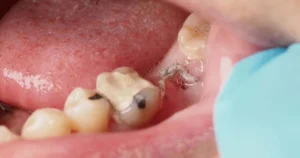
Turmeric is a highly pigmented spice. When applied directly to teeth, the yellow color can cling to enamel or dental restorations, especially if the surface is rough or porous.
Factors that increase staining risk:
- Porous teeth
- Dental restorations like fillings or crowns
- Plaque buildup
- Dry mouth
Fortunately, these stains are usually temporary and can be brushed off with regular toothpaste.
Important: Claims about turmeric “miracle whitening” are not supported by dental research.
Safe Ways to Use Turmeric for Teeth
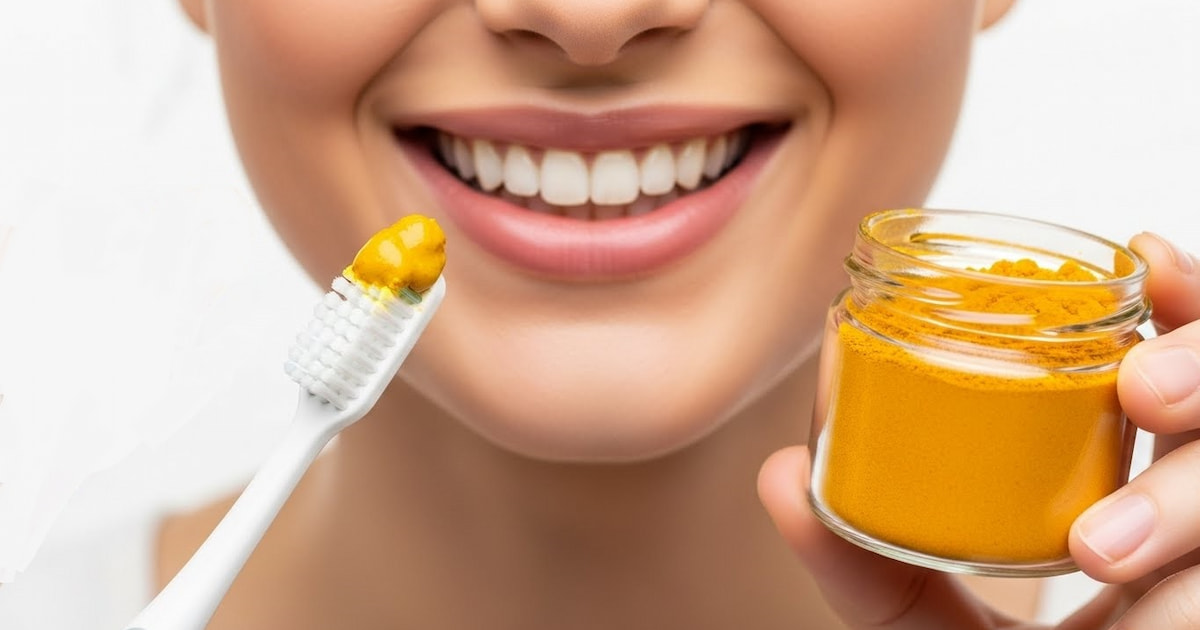
If you still want to try turmeric for oral health, not specifically whitening, there are ways to use it more safely. You can create a simple turmeric paste by mixing one teaspoon of turmeric and a few drops of water. Apply it to your teeth gently for 1-2 minutes. Avoid aggressive scrubbing since turmeric is mildly abrasive, and you don’t want to damage enamel.
How to Use Coconut Oil and Turmeric for Teeth
Some people mix coconut oil and turmeric to reduce staining risk. Coconut oil has antibacterial properties and can dilute turmeric’s strong pigment. Here’s a simple method:
- Mix 1 teaspoon of coconut oil with ¼ teaspoon of turmeric.
- Gently massage the paste onto your teeth and gums for 1 minute.
- Rinse thoroughly and brush with regular toothpaste afterward.
Important Safety Tips
- Don’t use turmeric as a daily toothpaste.
- Avoid leaving it on your teeth for long periods.
- Always brush with your usual fluoride toothpaste afterward.
- Stop immediately if you notice increased staining or sensitivity.
Ready to Move Beyond Turmeric? Discover Safer Whitening Options
If you’re concerned about stains, yellow teeth, or safe whitening methods, our team at Danforth Dental Centre Clinic can examine your smile and recommend treatments that actually work. Book your consultation today and get personalized whitening advice.
Who Should Avoid Using Turmeric on Teeth
Turmeric is not suitable for everyone, especially for DIY dental treatments. You should avoid using turmeric on your teeth if you have:
- Porcelain veneers, crowns, or composite fillings
- Deep cracks in your enamel
- Ongoing dental infections
- Gum disease that needs professional care
- Known allergies to turmeric or related spices
If you’re unsure whether turmeric is safe for your teeth, the best step is to speak with a dental professional.
Better Alternatives for Whitening Stained Teeth
If your goal is true whitening, not just plaque removal, there are far safer and more effective options than turmeric.
| Method | Works for Whitening? | Risk Level | Best For |
| Turmeric paste/turmeric for teeth whitening | No chemical whitening | Medium (staining risk) | Mild gum support, natural care |
| Whitening toothpaste | Mild whitening | Low | Surface stains |
| Whitening strips | Moderate whitening | Low–Medium | At-home brightening |
| In-office whitening | Strong whitening | Very low (professionally monitored) | Deep stains, fast results |
| Custom whitening trays | High whitening | Low | Gradual, controlled whitening |
Professional teeth whitening remains the most effective and reliable alternative for anyone looking to brighten stained teeth safely. Unlike DIY methods such as turmeric paste or over-the-counter products, professional whitening uses clinically tested whitening agents that penetrate enamel and remove deep-set stains without damaging the tooth surface.
Dentists also customize the treatment based on your enamel type, sensitivity level, and whitening goals, ensuring brighter, faster, and longer-lasting results. With expert supervision and high-quality materials, professional whitening offers both safety and dramatic improvement. making it the best choice if you want a noticeably whiter smile.
Suggested article: Teeth Whitening for Smokers: The Best Options

Book Your Consultation Now
Turmeric for Teeth: Should You Try It?
Turmeric may support gum health and help remove some plaque, but it is not a reliable whitening method. If anything, you may end up with temporary yellow stains before seeing any improvement.
If your main concern is tooth color, it’s better to rely on scientifically supported whitening treatments. At Danforth Dental Centre, we offer personalized teeth whitening solutions based on your enamel type, sensitivity level, and cosmetic goals. We also offer several other general dentistry services and cosmetic dental treatments that can enhance your smile’s appearance and function. Book your whitening appointment today and let us help you achieve a brighter, healthier smile, safely and effectively.
FAQ
-
Is turmeric good for teeth?
Turmeric’s anti-inflammatory and antibacterial properties may help reduce gum irritation, support oral hygiene, and lower plaque buildup. However, turmeric does not strengthen enamel, prevent cavities, or whiten teeth. If you want to use turmeric for gum health, do so in moderation and always brush with regular fluoride toothpaste afterward.
-
Does turmeric whiten teeth?
No. Turmeric does not contain whitening agents. It may make teeth appear cleaner by reducing plaque, but it cannot change the natural color of your enamel.
-
How to use coconut oil and turmeric for teeth?
Mix a small amount of turmeric with coconut oil to create a gentle paste. Massage it onto your teeth for about a minute and rinse thoroughly. Always follow with your regular toothpaste to remove pigment.
-
Can turmeric permanently stain teeth?
No, turmeric does not permanently stain enamel. However, it can cling to rough surfaces, fillings, veneers, or cracked enamel, making stains harder to remove.
-
Is turmeric paste safe for sensitive teeth?
Not always. Because turmeric is mildly abrasive, it can irritate sensitive enamel. If you have sensitivity, avoid turmeric-based DIY treatments.
-
How often can I use turmeric on my teeth?
Limit use to once a week maximum, and stop if you notice yellow stains that don’t fade.
-
Is turmeric better than professional whitening?
No. Turmeric does not whiten teeth the way dental whitening systems do. Professional treatments are significantly safer and more effective.
And before you go, tell us in the comments:
Have you ever tried turmeric on your teeth? Did it help or stain them? We’d love to hear your experience!