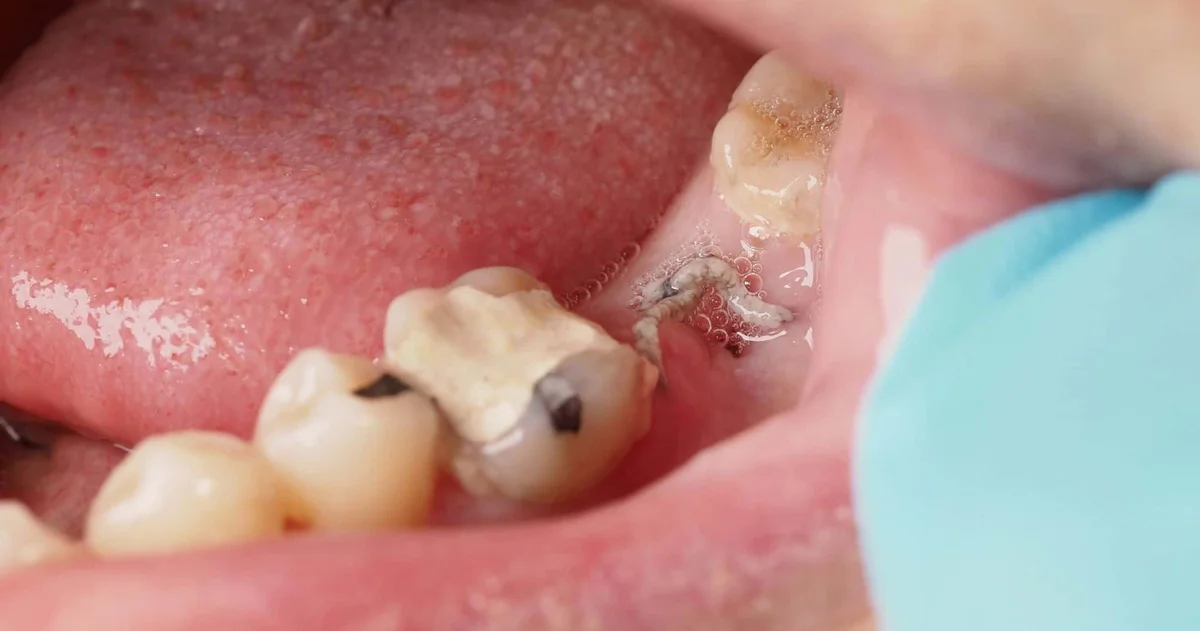

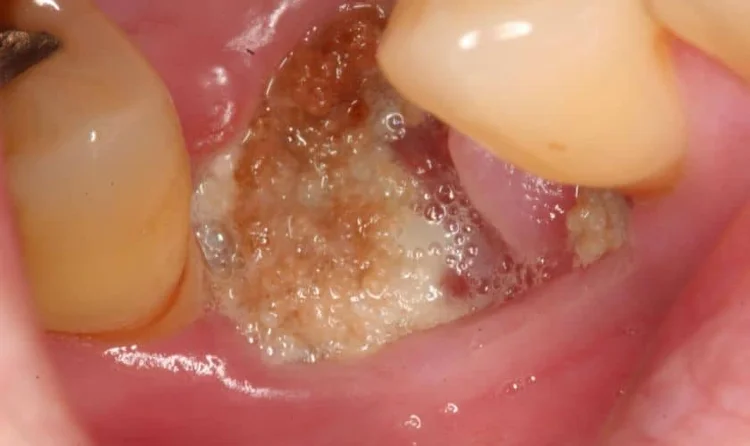
An infection after dental work is not common, but it can occur. Persistent pain, increasing swelling, fever, or pus formation may indicate a developing dental infection rather than normal healing. Procedures such as tooth extraction can create conditions in which bacteria multiply if healing is disrupted.
In this article, we will explain why post-treatment infections occur, how to distinguish infection from expected inflammation, and the steps taken to treat the problem effectively and safely.

Book Your Consultation Now
Why Infection After Dental Work Can Happen
Dental procedures are performed under sterile conditions, but the mouth naturally contains bacteria. Infection occurs when bacteria overwhelm the body’s immune response during healing.
Bacterial Contamination During Healing
After procedures like tooth extraction or surgical treatment, a blood clot forms to protect the underlying bone and tissue. If this clot dislodges or if oral hygiene is compromised, bacteria can colonize the site and trigger infection.
Incomplete Removal of Infection
In cases where treatment was performed for an existing abscess, such as during a root canal, residual bacteria inside complex root canal anatomy may rarely persist and flare up.
Complications After Extraction or Root Canal
Post-treatment infection can also occur due to delayed healing, immune compromise, or underlying systemic conditions. While uncommon, these situations require prompt reassessment.
Common Symptoms of Infection After Dental Work
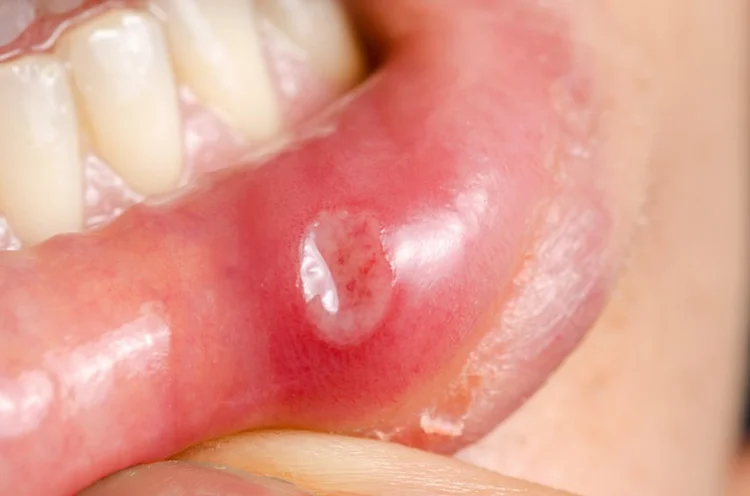
Recognizing symptoms early prevents escalation. Common signs include:
- Increasing rather than decreasing pain
- Swelling that worsens after 72 hours
- Fever or chills
- Pus discharge or foul taste
- Bad breath that does not improve
- Tender lymph nodes in the neck
- Difficulty opening the mouth or swallowing
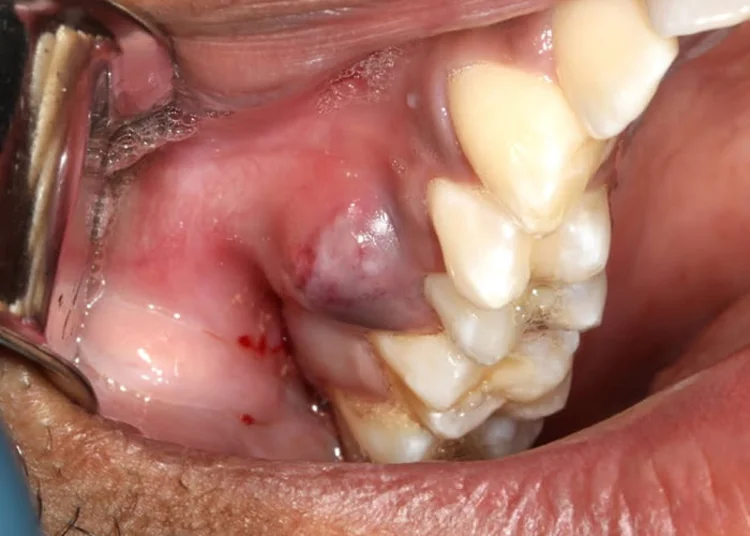
A localized infection may present as a tooth abscess, while more severe cases can spread to surrounding tissues.
Read more: Healthy Smiles Ontario
How to Tell the Difference Between Normal Healing and Infection
After dental treatment, mild discomfort is expected. The key question is whether your symptoms are following a healthy healing pattern or signalling a developing dental infection. The distinction lies in progression, severity, and the presence of systemic signs.
Below is a clinical comparison to help clarify the difference:
| Feature | Normal Healing Response | Possible Infection |
|---|---|---|
| Pain Pattern | Mild to moderate discomfort that improves daily | Pain that intensifies or returns after initial improvement |
| Swelling | Peaks within 48–72 hours and gradually subsides | Swelling that increases after day three or spreads |
| Fever | No fever | Fever or chills may be present |
| Discharge | No pus or foul taste | Pus, bad taste, or persistent bad breath |
| Overall Feeling | Gradual improvement in comfort and function | Feeling unwell, fatigued, or worsening symptoms |
In short, normal healing improves steadily. Infection tends to escalate. If symptoms are worsening rather than resolving, especially with fever or spreading swelling, prompt evaluation is recommended. Early assessment prevents minor infections from becoming serious complications.
Treatment Options for Dental Infections
Management depends on severity and source.
- Drainage of infection – If pus is present, relieving pressure is often the first step.
- Antibiotics – Used when there is a spreading infection or systemic involvement.
- Re-treatment – A failing root canal may require retreatment.
- Extraction – In some cases, removing the source tooth is necessary.
- Surgical intervention – Advanced infections may require incision and drainage under oral surgery.
Antibiotics alone are rarely a definitive solution. The source of infection must be addressed.
Ask Us About Infection After Dental Work
If you suspect an infection after dental treatment, contact Danforth Dental Centre promptly. Early intervention prevents complications and protects your oral health.
When to Seek Immediate Dental Care
Seek urgent care if you experience:
- Rapid facial swelling
- Difficulty breathing or swallowing
- High fever
- Severe spreading pain
- Swelling near the eye
These signs indicate possible progression beyond a localized dental infection and require immediate evaluation. If symptoms are severe or sudden, contacting an emergency dentist is essential.
The NIH says:
“Bacteremia might be also the result of an invasive procedure. In dental infections risk increases. It has been estimated that from 8 to 10% of endocarditis are related to oral infections with no oral bleeding treatment”
Protect Your Health From Infection After Dental Work
An infection after dental work is uncommon but possible. The key difference between normal healing and infection lies in how symptoms progress. Mild discomfort that improves is expected. Increasing pain, swelling, fever, or discharge signals the need for evaluation.
At Danforth Dental Centre, we monitor recovery carefully after restorative dentistry treatments. If something does not feel right, you can rely on our team to assess the situation promptly and provide appropriate treatment.
Book Your Consultation Now
FAQ
Patients often feel uncertain about early symptoms after dental procedures. These answers clarify the most frequent concerns.
-
How soon can an infection develop after dental treatment?
Infections may develop within a few days, although some appear later, depending on healing and bacterial activity.
-
Can antibiotics alone cure a dental infection?
Antibiotics help control bacterial spread but do not eliminate the source. Definitive dental treatment is usually required.
-
Is swelling always a sign of infection after dental work?
No. Mild swelling is part of normal inflammation. Concerning swelling is progressive, painful, and often accompanied by fever or discharge.
Have you experienced unusual symptoms after a dental procedure? Share your concerns below or reach out to our team for professional guidance.