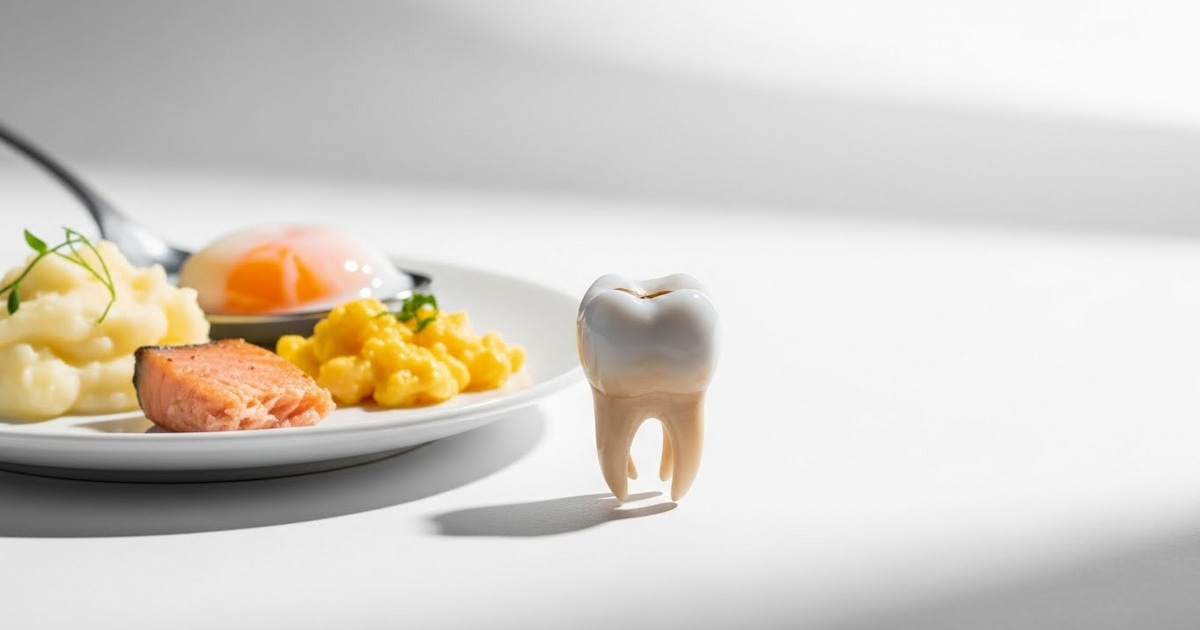

Getting a dental crown is a big step toward protecting your tooth and restoring your smile. Whether your crown was placed after a root canal, a cracked tooth, or severe decay, what you eat afterward matters more than many people realize. The wrong foods can cause pain, loosen the crown, or even shorten its lifespan.
This guide explains which foods you shouldn’t eat after a dental crown, why they’re risky, how long restrictions last, and what you can safely eat instead, so you can protect your dental crown and heal comfortably. If you’ve just had a crown placed, this article will help you feel confident every time you sit down to eat.

Book Your Consultation Now
What Foods Shouldn’t You Eat After a Dental Crown
Although the heading says “avoid,” this section focuses on the foods you should be careful with or temporarily avoid to protect your dental crown.
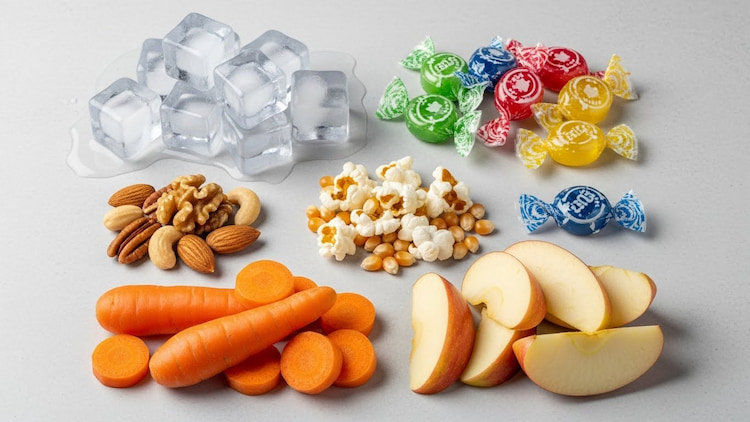
1. Hard and Crunchy Foods
Hard foods can put sudden pressure on your crown, especially if you bite down at the wrong angle. This pressure can cause tiny cracks or even dislodge the crown. If you eat these foods too soon, you may not feel damage right away, but small cracks can weaken the crown over time. Some examples of hard and crunchy foods are as follows:
- Ice
- Hard candies
- Nuts
- Popcorn kernels
- Raw carrots or apples
2. Sticky and Chewy Foods
Sticky foods are one of the biggest risks, especially for temporary crowns. They can cling to the crown and pull it loose when you chew or swallow. They include:
- Caramel
- Taffy
- Gum
- Gummy candies
- Chewy granola bars
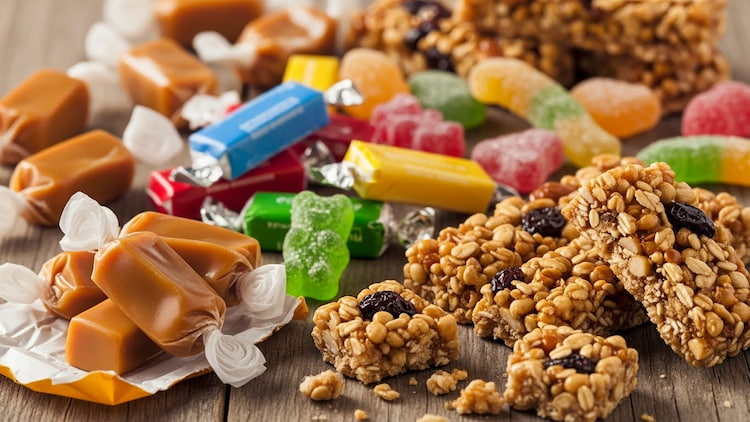
Note: Even permanent crowns can be affected if sticky foods repeatedly tug at the edges where the crown meets the tooth.
3. Very Hot or Very Cold Foods
After a crown procedure, your tooth nerve may still be sensitive. Extreme temperatures can cause sharp discomfort or lingering pain. Also, sudden temperature changes can also stress the crown material, especially in the early days. Foods and drinks to be cautious with are:
- Hot coffee or tea
- Ice cream
- Iced drinks
- Hot soups

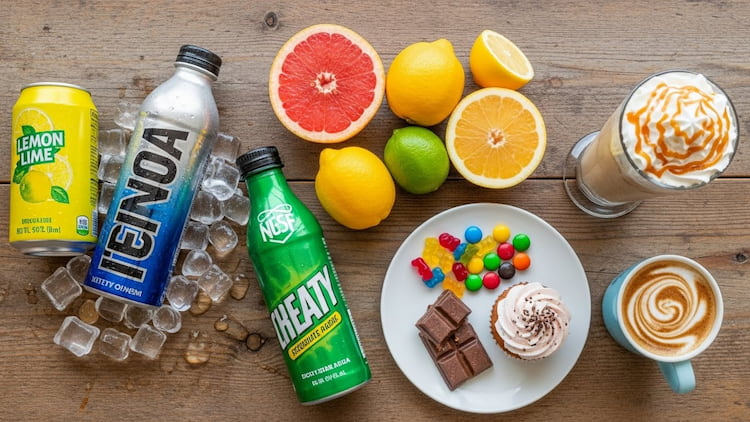
4. Sugary and Acidic Foods
Sugar and acid don’t damage the crown itself, but they increase the risk of decay around the crown margins, where bacteria can sneak in. Over time, decay under a crown can lead to pain, infection, and the need for replacement. Examples include:
- Soda and energy drinks
- Citrus fruits and juices
- Candy and desserts
- Sweetened coffee drinks
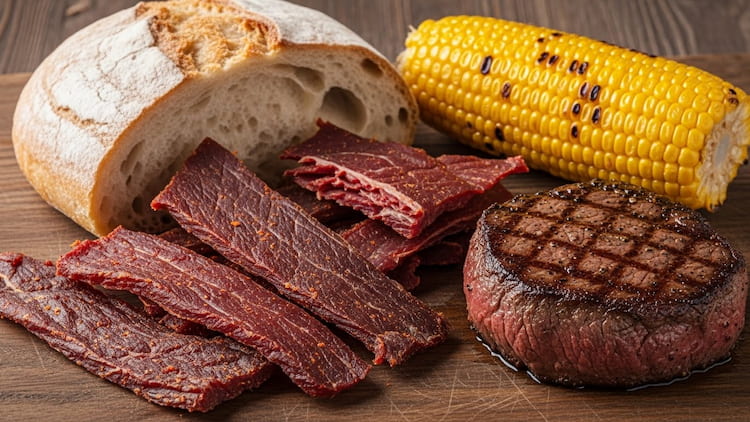
5. Tough or Fibrous Foods
Foods that require heavy chewing can strain the crown and surrounding tooth, especially if your bite hasn’t fully adjusted yet. These foods, such as steak, jerky, crusty bread, or corn on the cob, can also get lodged around the crown, irritating your gums.
Contact Us for Professional Help
If you’re unsure whether your crown is settling properly or you’re feeling discomfort when eating, the team at Danforth Dental Centre is here to help. A quick check can prevent bigger problems later. Book your crown follow-up appointment today and eat with confidence again.
How Long Should You Avoid These Foods After a Dental Crown?
The timeline depends on whether your crown is temporary or permanent. For temporary crowns, avoid risky foods until your permanent crown is placed. For a permanent crown, be cautious for the first 24-48 hours. Moreover, your tooth sensitivity may last a few days to a couple of weeks
Once your bite feels comfortable and sensitivity fades, you can slowly return to your normal diet, while still avoiding habits like chewing ice or hard candy.
What Foods Are Safe to Eat While Your Crown Settles?
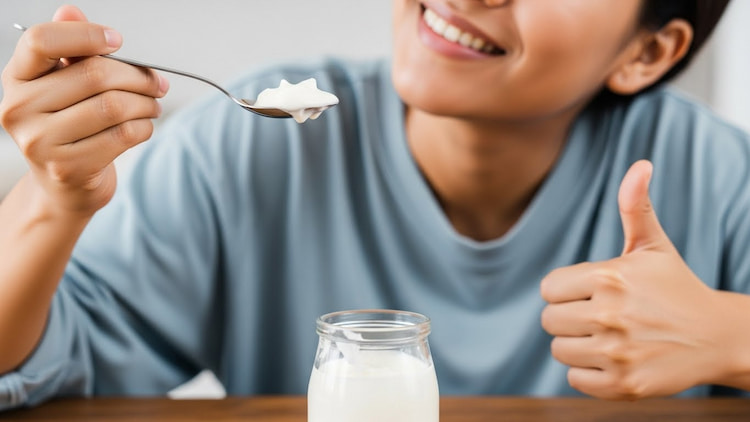
Soft, gentle foods are your best choice during the healing period. These foods protect your crown while keeping you nourished. Safe options include:
- Yogurt
- Mashed potatoes
- Eggs
- Soup (warm, not hot)
- Soft pasta
- Rice
- Smoothies (not icy cold)
- Cooked vegetables
Remember to chew on the opposite side if possible, especially during the first day or two.
What Can Happen If You Eat the Wrong Foods Too Soon
Ignoring food restrictions may not cause instant pain, but problems can build quietly. For example, you may experience a loose or fallen crown, cracks in the crown material, gum irritation or swelling, tooth sensitivity that doesn’t go away, or decay under the crown. Fixing these issues often requires extra appointments, added costs, and more dental work.
Did You Know?
According to an article on PubMed Central, reports show that women experience more tooth sensitivity than men before and after tooth preparation for getting dental crowns.
Protect Your Crown by Watching What You Eat
Your dental crown is designed to protect your tooth, but it needs your help, especially in the early stages. By choosing the right foods and avoiding risky ones, you can prevent pain, protect your investment, and enjoy a healthy smile.
At Danforth Dental Centre, we’re here to help you get the most out of your dental treatments. Our team also offers various other cosmetic dentistry and restorative dentistry services in Danforth that you can choose from. Schedule your crown check-up or consultation today and let our team support your long-term oral health.
Book Your Consultation Now
FAQ
-
Can I eat normally with a temporary dental crown?
Not exactly. Temporary crowns are more fragile and use weaker cement, so you should avoid hard, sticky, and chewy foods until your permanent crown is placed.
-
What should I do if my crown feels loose after eating?
Avoid chewing on that side and contact Danforth Dental Centre as soon as possible. A loose crown can usually be fixed quickly if addressed early.
-
Is it normal to feel pain when chewing after getting a crown?
Mild sensitivity is common, but pain when biting may mean the bite needs adjustment. This is a simple fix during a follow-up visit.
-
Can a dental crown break from food?
Yes. Hard foods like ice or hard candy can crack or chip a crown, especially porcelain ones.
-
How do I know if food damaged my crown?
Signs include sharp pain, sensitivity, a rough edge, or the crown feeling uneven. If you notice any of these, book an exam right away.
Have a question or a personal experience with dental crowns? Share it in the comments; we’d love to hear from you and help others learn from your experience.