
Having food stuck in gums is a common issue that can cause discomfort or frustration. It happens when food particles become wedged between your teeth or along your gum line. If left unattended, food debris can contribute to gum irritation or even denture-related issues, such as gum inflammation. Fortunately, there are safe ways to remove food without damaging the denture.
In this article, we’ll cover why food gets stuck in your gums, effective methods to remove it, and tips to prevent it from happening in the future.

Book Your Consultation Now
Why Food Gets Stuck in Your Gums
Food often gets stuck in your gums due to the natural structure of your teeth and gums. Understanding the causes helps in preventing the issue.
The Role of Gum Recession and Tooth Gaps
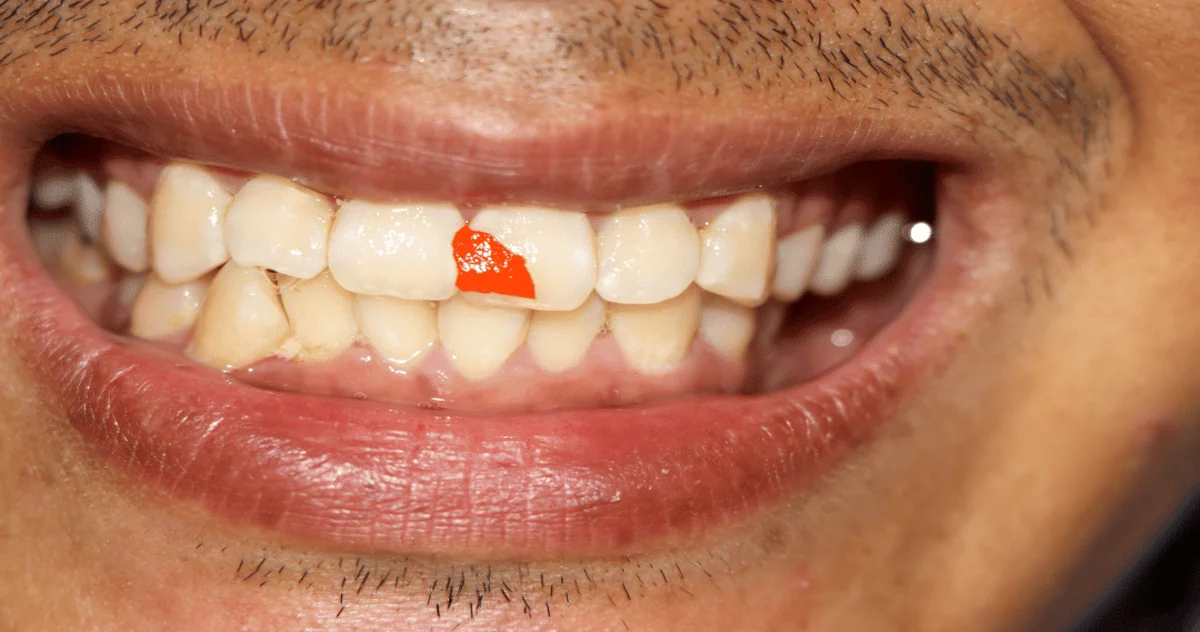
If you have gum recession, the tissue surrounding your teeth may have pulled back, creating small spaces where food can easily get trapped. Similarly, tooth gaps or spaces between teeth make it easier for food to get stuck, especially if teeth are not properly aligned.
Foods That Are More Likely to Get Stuck
Certain foods, such as popcorn kernels, fibrous vegetables, and sticky foods like caramel or rice, are more likely to become wedged in your gums due to their texture. These foods can also be harder to remove if left stuck for too long.
How Food Particles Contribute to Plaque Buildup
Food left in your gums can mix with bacteria, forming plaque. Plaque buildup can lead to gum inflammation and contribute to gum disease. Regularly removing food from between your teeth and gums helps to prevent plaque accumulation and maintain overall oral hygiene.
Since we talked about plaque buildup, let’s bring a quote from the Cleveland Clinic that is about plaque buildup and oral appliances:
“Oral appliances like orthodontic treatment (braces) and dentures are essential dental treatments. But issues with braces and dentures can cause swollen gums. Dental plaque that builds up around your braces’ brackets and wires can cause swelling. So can dentures that don’t fit properly.”
Read more: Gum Flaps
Safe Ways to Remove Food Stuck in Your Gums
If you have food stuck in your gums, here are safe and effective ways to remove it:
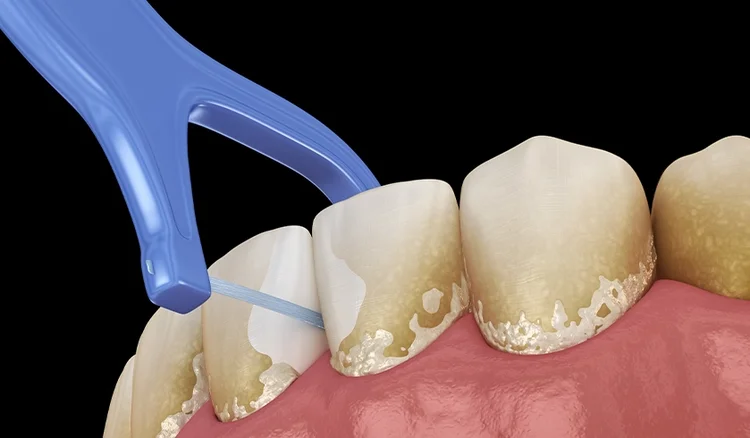
- Flossing: Gently use dental floss to dislodge the food. Be careful not to snap the floss, as this can damage your gums.
- Water Flossing: A water flosser can help dislodge food particles without the risk of injury. It’s especially useful for people with gum recession or dental bridges.
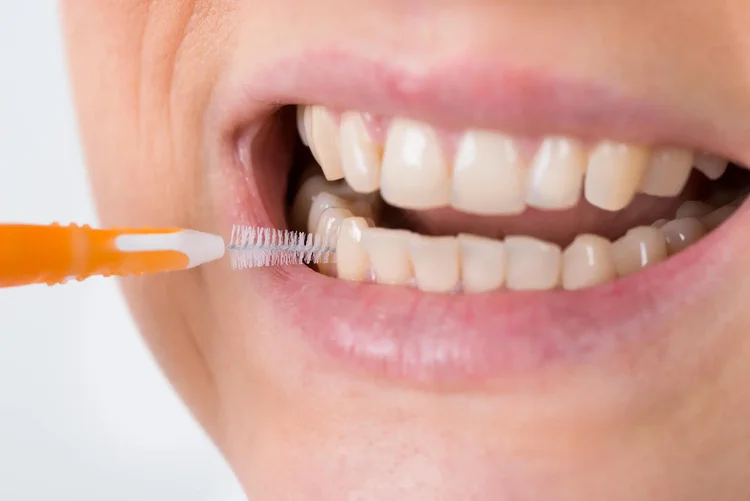
- Dental Tools: If you have access to soft-tipped dental tools or an interdental brush, these can be effective for cleaning between teeth without damaging the gums.
Avoid using sharp objects, as they can cause cuts or abrasions in the gums, increasing the risk of infection.
When to Avoid Using Toothpicks or Sharp Objects
While toothpicks are often used to remove food from between teeth, they can cause more harm than good if not used carefully. Sharp objects, such as pointed toothpicks, can cut the gums, leading to bleeding, irritation, or even infection. Always use a soft-tip dental pick or a floss threader instead.
Read more: Sore Mouth After Oral Surgery
How to Prevent Food From Getting Stuck in Your Gums
Preventing food from getting stuck in the first place is key to maintaining good oral hygiene. Here are some helpful tips:
- Floss daily: This removes food particles and plaque from between your teeth and along your gum line.
- Regular dental checkups: Ensure you’re not developing gum recession or other issues that could create spaces where food gets trapped.
- Eat smaller bites: Taking smaller bites of food, especially fibrous or sticky foods, can reduce the likelihood that food will get lodged.
- Drink water during meals: Water helps wash away food particles, reducing the risk of food sticking to your gums.
When to See a Dentist About Food Stuck in Gums
If food regularly gets stuck in your gums despite your best efforts, it might be a sign of an underlying issue. Gum disease or gum recession can create spaces where food particles accumulate. Similarly, tooth decay or misaligned teeth may contribute to food trapping.
If the discomfort persists or if you experience pain, swelling, or bleeding in the area, consult your dentist. They can assess your gum health, provide professional cleaning, and help address any long-term concerns.
Ask Us About Gum Issues
If you have food stuck in your gums and are unsure how to remove it safely, schedule an appointment at Danforth Dentistry. Our team is here to help you maintain excellent oral hygiene and ensure your gums stay healthy.
Get Rid Of Food Stuck In Gums Effectively
While it’s normal to get food stuck in your gums from time to time, it’s important to address it quickly and safely. Flossing, water flossing, and dental tools are the best ways to remove food without causing harm. If you experience persistent issues or discomfort, don’t hesitate to contact your dentist to ensure your oral health is maintained.
At Danforth Dentistry, we help you keep your gums and teeth healthy by offering comprehensive dental care. Whether it’s a routine cleaning, gum irritation treatment, or restorative dentistry, we’re here to ensure your smile stays in top condition.
Book Your Consultation Now
FAQ
-
Can using a toothpick damage my gums?
Yes. Toothpicks, especially sharp or wooden ones, can injure your gums if used aggressively. It’s safer to use floss or a soft-tipped dental pick.
-
What should I do if food stuck in my gums causes pain or swelling?
If food causes pain, swelling, or persistent discomfort, it could indicate gum inflammation or infection. Contact your dentist for an evaluation.
-
Is it okay to use floss to remove food from between teeth?
Yes. Flossing is the most effective and safe method to remove food stuck between your teeth. Just be gentle to avoid damaging your gums.
Have you had trouble with food stuck in your gums? Share your experiences or questions below, and we’ll help guide you with the best solutions.