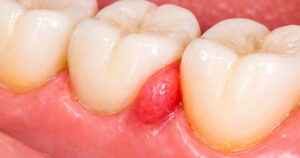


Facing the prospect of wisdom teeth removal can bring many questions, especially concerning cost and insurance coverage. For many Canadians, the introduction of the Canadian Dental Care Plan (CDCP) offers a new avenue for support. If you’re wondering, “Does CDCP cover wisdom teeth removal?”, you’ve come to the right place. This comprehensive guide from Danforth Dentistry aims to clarify how the CDCP works for this common dental procedure, helping you understand your benefits and navigate the process with confidence.
Wisdom teeth, or third molars, often emerge during the late teens or early twenties. While some people never experience issues, for many, these teeth can cause pain, infection, or damage to adjacent teeth, necessitating extraction. Understanding your CDCP dental coverage for such a procedure is crucial for planning your oral health.

Book Your Consultation Now
What is the Canadian Dental Care Plan?
The Canadian Dental Care Plan (CDCP) is a federal government initiative designed to help reduce financial barriers to accessing oral health care for eligible Canadian residents. It aims to provide coverage for a wide range of essential dental services, making dental care more affordable for those who need it most.

The plan is rolling out in phases, with eligibility based primarily on adjusted net family income and whether you have access to private dental insurance. Its goal is to improve the oral health outcomes for millions of Canadians who might otherwise forgo necessary dental treatment due to cost.
Does the CDCP Cover Wisdom Teeth Removal?
Yes, the Canadian Dental Care Plan generally covers wisdom teeth removal, but the extent of coverage can depend on several factors, including the complexity of the extraction and the specific services required. The CDCP is designed to cover essential oral health care services, and extractions, including those for wisdom teeth, fall under this umbrella.
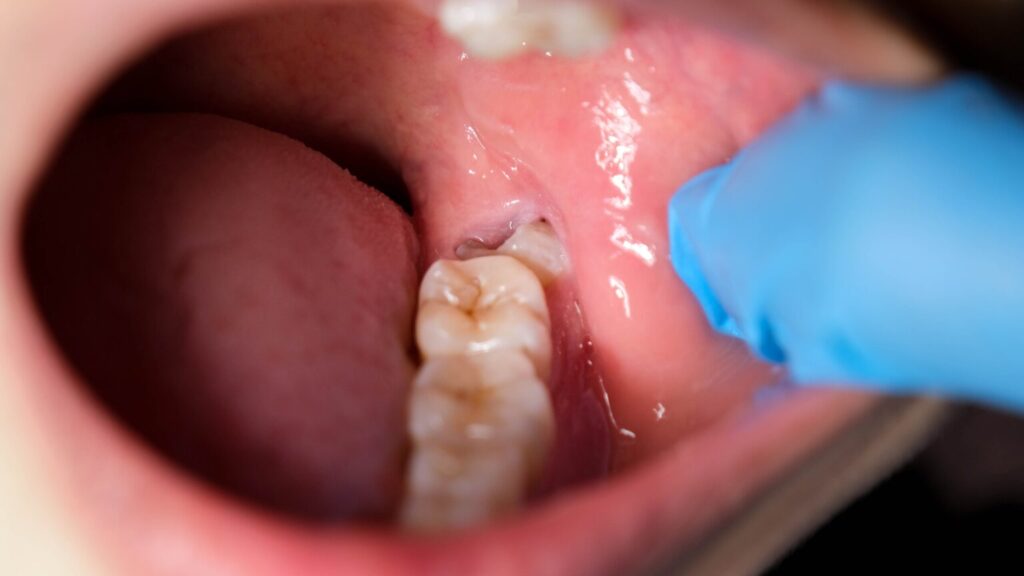
For routine extractions of fully erupted wisdom teeth, the CDCP typically provides coverage. However, many wisdom teeth are impacted, meaning they are trapped beneath the gum line or bone, requiring a more complex surgical procedure. Impacted wisdom teeth removal CDCP coverage is also available, as surgical extractions are considered an essential service under the plan.
It’s important to note that the CDCP covers a percentage of the eligible costs, not necessarily 100%. The exact percentage will depend on your adjusted net family income. For instance, families with an adjusted net income of less than $70,000 may receive 100% coverage, while those between $70,000 and $79,999 may receive 60% coverage, and those between $80,000 and $89,999 may receive 40% coverage.
CDCP Sedation Coverage for Wisdom Teeth Extraction
For many patients, especially those undergoing surgical wisdom teeth removal, sedation is an important part of ensuring comfort and managing anxiety during the procedure. The CDCP does include coverage for various types of sedation, such as local anesthesia, nitrous oxide (laughing gas), and general anesthesia, when medically necessary and administered by a qualified dental professional.
The specific type and extent of CDCP sedation coverage will depend on the complexity of the procedure and your individual needs, as determined by your dentist. Always discuss your options and potential costs for sedation with your dental clinic beforehand.
Understanding CDCP Eligibility Requirements
To qualify for the Canadian Dental Care Plan, you must meet specific criteria. Understanding these CDCP eligibility requirements is the first step in accessing your benefits:
- Canadian Resident: You must be a resident of Canada for tax purposes.
- Income Threshold: Your adjusted net family income must be less than $90,000.
- No Private Dental Insurance: You must not have access to any private dental insurance or employer-sponsored dental benefits.
- Application Process: You must apply for the CDCP through the official government channels, typically starting with an invitation to apply.
The Canadian Dental Care Plan application process is managed by the federal government. Once approved, you will receive information about your coverage start date and how to use the plan.
Ask Us About The Cost Of Wisdom Teeth Removal
If you still have questions about wisdom teeth removal coverage by CDCP, or about your eligibility, schedule a consultation at Danforth Dental Centre. We will assess your case and provide a transparent answer.
Wisdom Teeth Removal Cost with CDCP
While the CDCP significantly reduces the financial burden, understanding the wisdom teeth removal cost with CDCP involves a few considerations. As mentioned, the plan covers a percentage of the eligible costs based on your family income. This means you may still have an out-of-pocket expense.
- Percentage Coverage: Depending on your income bracket, the CDCP will cover 40%, 60%, or 100% of the established CDCP fees for covered services.
- CDCP Fee Guide: The plan operates on its own fee guide, which may differ from a dentist’s usual fee guide. Your dental clinic will bill according to the CDCP’s fee schedule for eligible services.
- Pre-authorization: For more extensive procedures like surgical wisdom teeth removal, pre-authorization from the CDCP may be recommended or required. Your dental office can assist with submitting the necessary documentation to get an estimate of coverage before treatment begins.
Always request a detailed estimate from your dental office before proceeding with any treatment. This will clearly outline the total cost, the estimated CDCP coverage, and any remaining balance you would be responsible for.
CDCP with Private Dental Insurance
A crucial aspect of the CDCP is its interaction with other insurance plans. The plan is designed for those who do not have access to private dental insurance or employer-sponsored dental benefits. If you currently have private dental insurance, you are generally not eligible for the CDCP.
If your private dental insurance coverage ends, or if you lose access to it, you may then become eligible to apply for the CDCP, provided you meet all other criteria. It’s essential to understand that the CDCP is intended as a primary payer for those without other coverage, not as a supplementary plan to existing private insurance. Always verify your eligibility status regarding CDCP and private insurance to avoid any confusion.
Finding a Dentist Who Accepts CDCP in Toronto
As the CDCP rolls out, more dental clinics across Canada are registering to provide services under the plan. If you’re searching for dentists accepting CDCP Toronto, Danforth Dentistry is committed to helping our patients navigate their dental care options. We understand the importance of accessible and affordable dental care, and we are proud to accept CDCP for dental services in Toronto.
When looking for a dental provider, it’s always best to confirm directly with the clinic if they are registered with the CDCP and accepting new patients under the plan. Our team at Danforth Dentistry is here to answer your questions and assist you in utilizing your CDCP benefits for wisdom teeth removal and other essential dental procedures.
Why is Wisdom Teeth Removal Often Necessary?
While the focus is often on coverage, understanding why wisdom tooth extraction benefits your oral health is also important. Wisdom teeth often cause problems because there isn’t enough space for them to erupt properly in the mouth. This can lead to a variety of issues:
- Impaction: The teeth get stuck against other teeth or bone, leading to pain, swelling, and potential infection.
- Crowding: As wisdom teeth try to emerge, they can push against existing teeth, causing misalignment and orthodontic issues.
- Damage to Adjacent Teeth: Partially erupted wisdom teeth can create pockets that are difficult to clean, leading to cavities or gum disease in neighbouring molars.
- Cysts or Tumours: In rare cases, impacted wisdom teeth can lead to the formation of cysts or tumours that can damage the jawbone and surrounding tissues.
Early assessment and timely removal of problematic wisdom teeth can prevent these complications, promoting better long-term oral health and comfort.
Book Your Consultation Now
Conclusion
Navigating dental care, especially procedures like wisdom teeth removal, can be complex, but the Canadian Dental Care Plan offers significant support for many Canadians. The answer to “does CDCP cover wisdom teeth removal?” is yes, with specific conditions and coverage percentages based on your eligibility. By understanding the CDCP’s scope, eligibility requirements, and how costs are managed, you can make informed decisions about your oral health.
At Danforth Dentistry in Toronto, we are dedicated to providing clear information and high-quality dental care to our community. If you have further questions about your CDCP benefits for wisdom teeth removal or any other dental needs, please don’t hesitate to contact us. We are here to help you achieve and maintain a healthy smile.
FAQ
Is wisdom teeth removal considered a covered service under CDCP?
Yes, wisdom teeth removal, including surgical extraction of impacted teeth, is generally considered a covered service under the CDCP, as it falls under essential oral health care.
What dental procedures does the CDCP cover?
The CDCP covers a broad range of dental procedures, including preventative services (cleanings, exams), restorative services (fillings), endodontic services (root canal treatments), prosthodontic services (dentures, partials), and oral surgery (extractions, including wisdom teeth removal).
Can I use CDCP if I have other dental insurance?
Generally, no. The CDCP is designed for Canadian residents who do not have access to any private dental insurance or employer-sponsored dental benefits.
Does the CDCP cover all types of sedation?
The CDCP covers medically necessary sedation, including local anesthesia, nitrous oxide, and general anesthesia, as determined by your dental professional. The extent of coverage depends on the specific service and your income bracket.