
Black spots on teeth can be worrying, especially when you’re unsure whether they’re just stains or early signs of decay. Many people first notice a small dark speck and hope it will disappear with brushing, but often, it doesn’t. Understanding what black spots really mean, why they appear, and how to treat them is the first step toward protecting your smile.
In this guide, we break down everything about black spots on teeth, helping you know how to spot a problem early and when it’s time to visit a dentist. We also explain how safe methods, such as teeth whitening, help you remove them.
What Are Black Spots on Teeth?
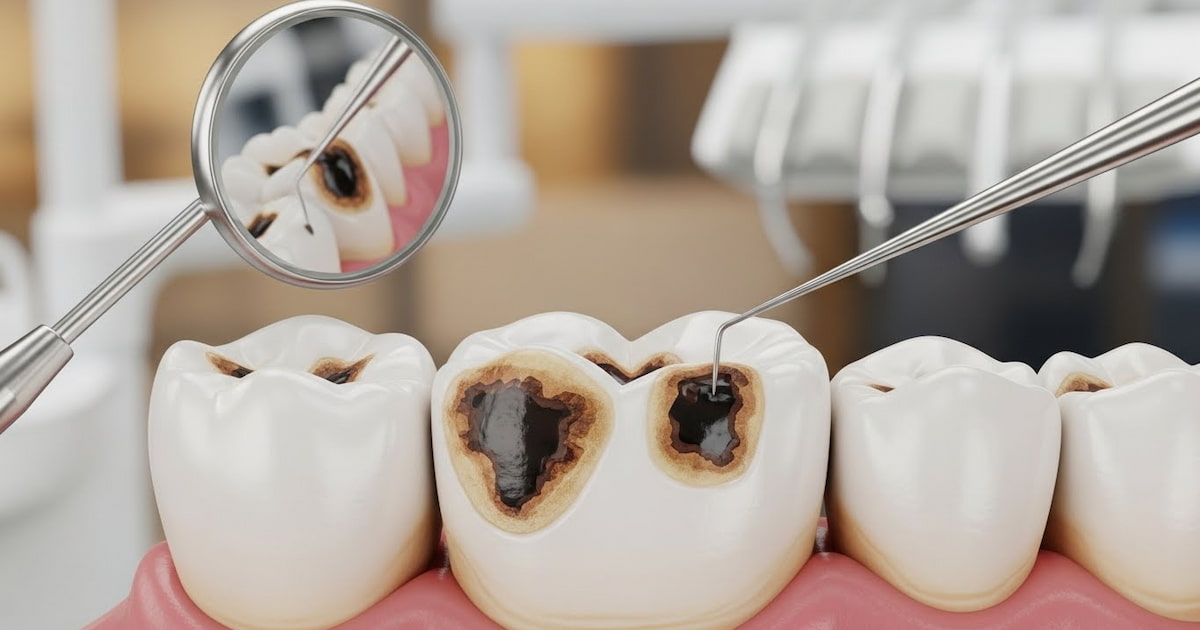
Black spots on teeth refer to dark discolorations appearing on the enamel. These spots may develop slowly or seem to appear overnight. They can be tiny or large, raised or flat, painless or sensitive, each variation suggesting a different cause.
Sometimes, black spots are harmless surface stains. Other times, they may be the early stages of tooth decay, which requires dental treatment, like dental fillings, to prevent more serious damage. Knowing the difference is crucial for your oral health.

Book Your Consultation Now
Signs You Shouldn’t Ignore
Not all black spots on teeth are harmless. While some discoloration may be caused by surface staining, others can signal deeper problems such as tooth decay or gum disease. Paying attention to early warning signs helps prevent small issues from turning into painful and costly dental problems. If a black spot is changing in appearance, causing discomfort, or affecting how your tooth feels, it’s important not to dismiss it. The signs below indicate that professional dental care is needed rather than at-home solutions.
- The spot feels sticky or rough when touched with the tongue
- You experience sensitivity to hot, cold, or sweet foods
- The dark area grows larger over time
- You notice bad breath that doesn’t go away
- There is pain when chewing on that tooth
If any of these signs accompany the dark spot, it may be a cavity or tartar buildup, not a simple stain.
Common Causes of Black Spots on Teeth
Many factors can lead to black spots, and understanding them helps you prevent future issues. Below, we’ve explained the main causes.
Poor Oral Hygiene
Inadequate brushing and flossing allow bacteria and food particles to accumulate on the teeth. Over time, plaque turns into tartar, and the buildup can appear dark or black, especially near the gumline.
When plaque remains for too long, it creates the perfect environment for decay to start, making dark spots more likely to form.
Worth reading: How to Choose the Best Toothbrush
Tooth Decay
A common reason for black spots is early or advanced tooth decay. Decay begins when bacteria produce acids that slowly break down enamel. The damaged area eventually becomes darker because the enamel is thinning, and the underlying dentin (naturally darker) becomes visible.
A simple way to identify decay vs. staining:
| Sign | Stain | Decay |
| Changes shape over time | Rare | Common |
| Pain/sensitivity | Rare | Common |
| Rough or sticky | No | Yes |
| Deep pit or hole | No | Often present |
If the spot looks like a pit, hole, or is sticky, decay is highly likely.
Tartar Buildup
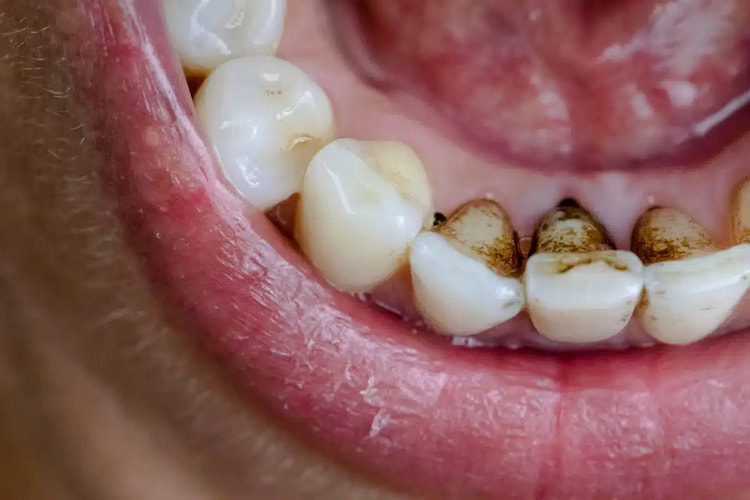
Tartar (also called calculus) is hardened plaque that becomes yellow, brown, or even black over time. Smoking, coffee, and tea can darken tartar even more. Tartar cannot be removed with a toothbrush; it needs a professional dental cleaning.
Staining from Food, Drinks, or Smoking
Some foods and drinks naturally leave pigment behind. Over time, these pigments build up and can lead to dark discolorations.
Common staining triggers include:
- Coffee and black tea
- Red wine
- Dark sauces
- Cola
- Berries
- Tobacco products
Smokers, in particular, often develop dark or black stains that appear resistant to brushing.

Fluorosis or Enamel Defects
During childhood, excessive fluoride intake can cause dental fluorosis, which sometimes creates brown or black patches on enamel. Similarly, enamel defects from genetics or childhood illnesses may darken as you age.
Old Dental Fillings
Metal fillings, especially silver amalgam, can turn black as they age. Sometimes, the surrounding tooth structure absorbs metal ions and darkens, too. While this isn’t always harmful, it can impact the tooth’s appearance and may need replacement if leakage occurs.
Suggested article: Best Tooth Filling Types for Your Needs
Treatment Options for Black Spots on Teeth
Finding the right treatment depends on what’s causing the discoloration. There are several effective solutions designed to restore both the function and appearance of your teeth. Here’s what each option involves and how it can help.
Professional Cleaning
A professional dental cleaning is often the first line of treatment, especially for black spots caused by tartar buildup or surface stains. During this appointment, the hygienists use ultrasonic tools and hand instruments to gently remove hardened tartar. They also polish the enamel to lift stubborn surface stains and clean areas that toothbrushes simply can’t reach.
This treatment not only improves appearance but also reduces gum inflammation and lowers the risk of decay. Most patients notice immediate improvement after a single session.
Teeth Whitening
If your black spots come from deep staining, often caused by coffee, tea, wine, or smoking, professional whitening can safely brighten your teeth. Dentists may offer you one of the whitening types below:
- In-office whitening, which delivers instant results in one visit
- Custom whitening trays, designed for at-home use with professional-grade gel
These options are stronger and safer than store-bought kits, giving you a noticeably whiter smile without harming enamel.
Suggested article: Teeth Whitening for Smokers: The Best Options
Dental Fillings or Bonding
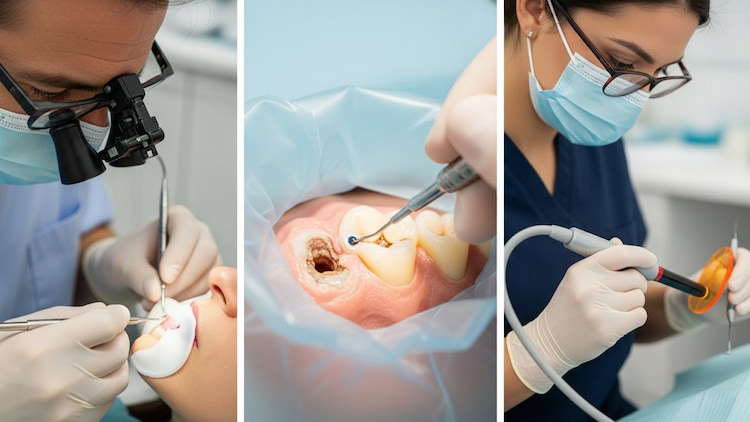
When decay is the cause, a dentist removes the damaged area and restores the tooth using tooth-colored composite fillings, which blend perfectly with your natural enamel, or dental bonding, which is a cosmetic treatment. During this procedure, tooth-colored resin is sculpted onto the tooth to hide dark spots or surface imperfections. Bonding is also helpful for covering mild enamel defects, offering both protection and aesthetic improvement.
Want a Brighter Smile? We Have the Solution!
Worried your dark spot might be more than a stain? Book a dental checkup at Danforth Dental Centre Clinic today and get a professional assessment.
Crowns or Veneers
For more severe or widespread discoloration, or when the tooth structure is weakened, crowns or veneers may be the best solution. Crowns fully cover the tooth, restoring strength and appearance. They’re ideal when decay is extensive or when an old metal filling has caused darkening.
Veneers are thin porcelain shells placed on the front surface of the tooth. They create a bright, uniform look and are perfect for long-standing stains, fluorosis, or enamel defects.
Both options offer long-lasting cosmetic and functional benefits.
Home Care Tips to Prevent Future Spots
Treating black spots is only part of the solution; preventing them from coming back is just as important. Many people brush regularly but still develop discoloration because small details, like technique and consistency, are often overlooked. By improving your routine and making a few mindful changes, you can significantly reduce the risk of plaque buildup, staining, and decay in the future. Here are some tips from our dentist:
- Brush twice daily with fluoride toothpaste
- Floss every night to remove hidden debris
- Use a soft-bristled brush
- Limit dark-colored drinks
- Rinse your mouth after coffee or tea
- Avoid smoking or using tobacco
- Visit your dentist every six months
- Replace your toothbrush every 3 months
Further reading: How to Remove Amoxicillin Stains from Teeth
When to See a Dentist for Black Spots
Some people delay seeing a dentist because the spot doesn’t hurt at first. However, many dental problems develop silently before pain begins. Waiting too long can allow decay or infection to spread, leading to more complex treatments. Therefore, make sure to visit a dentist as soon as you notice these symptoms:
- The black spot doesn’t go away after brushing
- You feel pain or sensitivity
- The spot is growing
- It looks like a pit, crack, or hole
- You notice persistent bad breath
Early treatment prevents deeper decay, infections, and costly procedures later.
Book Your Consultation Now
Black Spots on Teeth: Get a Brighter, Healthier Smile Today
Black spots on teeth are common, but they shouldn’t be ignored. Whether caused by staining, tartar, enamel defects, or early decay, understanding the source is the key to choosing the right treatment. Professional cleaning, whitening, fillings, bonding, and veneers all offer effective solutions, depending on the cause.
At Danforth Dental Centre, we offer comprehensive dental exams, gentle cleanings and stain removal, natural-looking fillings, personalized prevention plans, and cosmetic dental treatments on Danforth.
Our team is dedicated to helping you maintain a bright, healthy smile with modern, safe, and comfortable care. Schedule your appointment at Danforth Dental Centre today and let us help you restore confidence in your smile.
FAQ
-
Are black spots always cavities?
No. Black spots can be stains, tartar, or decay. If the spot feels sticky, painful, or grows over time, it’s more likely a cavity and should be checked by a dentist.
-
Can black spots go away with brushing?
Only superficial stains may fade. Tartar, decay, and enamel defects will not disappear with brushing. Professional treatment is required to remove them.
-
Is teeth whitening safe for black spots?
Whitening can remove stain-related dark spots, but it will not fix cavities or tartar. A dentist must examine the tooth first to prevent irritation or damage.
-
How fast do black spots from decay spread?
Decay spreads gradually, but once it penetrates the enamel, it accelerates. Early treatment prevents the need for crowns, root canals, or extractions.
-
What if the black spot is on a child’s tooth?
Children can develop black spots from decay, fluorosis, or staining. Any black spot on a child’s tooth should be checked immediately to avoid discomfort or infection.
If you’ve ever dealt with black spots on your teeth, we’d love to hear about your experience. Drop your questions or thoughts in the comments; your story may help