

If you are in the same condition, you should know that it is normal to experience a sore mouth after oral surgery. Soreness, swelling, and mild discomfort are part of the body’s natural healing response following procedures. In most cases, this discomfort improves steadily within a few days.
Below, we will explain why soreness happens, how long it should last, what warning signs to watch for, and how to manage recovery safely and effectively.

Book Your Consultation Now
Why Soreness Happens After Oral Surgery
When we perform oral surgery, your gums and bone are essentially reacting to a controlled injury. Inflammation is the first responder; it’s actually a good sign that your immune system is working to close the site and prevent infection.
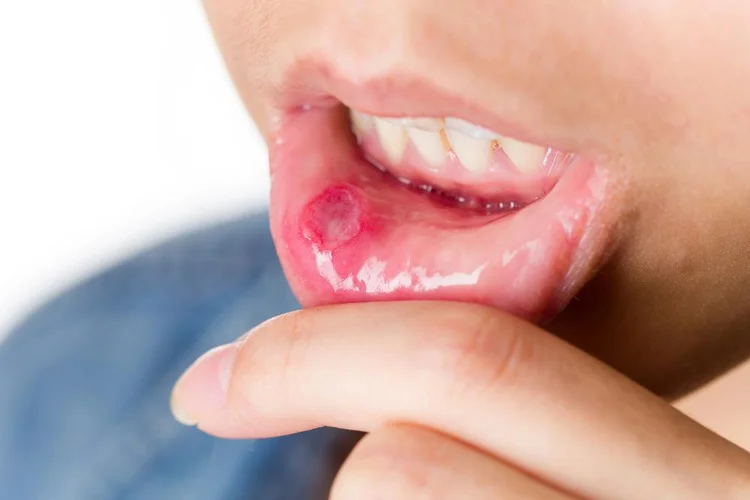
However, this process isn’t restricted to just the spot where the tooth was. You might feel soreness in your neck, a slight earache, or even stiffness in your jaw muscles. This is often just referred to as pain or muscle fatigue from keeping your mouth open during the procedure. It’s normal to feel like your whole face is involved in the healing process for the first forty-eight hours.
The most common reasons you experience a sore mouth after oral surgery include:
Inflammation and Tissue Healing Response
When a tooth is removed or a dental implant is placed, the body immediately initiates an inflammatory response. Blood flow increases to the area, immune cells are activated, and tissue repair begins. This inflammatory phase causes tenderness, pressure sensitivity, and swelling. It is necessary for proper healing.
Sutures and Surgical Site Sensitivity
If sutures were placed, the surrounding soft tissue may feel tight or irritated. The surgical site is temporarily more sensitive because nerve endings in the area are responding to signals of healing.
Normal Swelling and Bruising
Swelling is common after procedures like wisdom tooth removal or implant placement. It typically peaks within 48 to 72 hours and then gradually decreases. Mild bruising can also occur due to minor blood vessel trauma during surgery.
Read more: CDCP Dental Services
How Long Should Mouth Soreness Last
For most patients, soreness improves noticeably within 3 to 5 days. Mild tenderness may persist for up to a week, depending on the complexity of the procedure.
For simple extractions, discomfort often resolves more quickly. More involved procedures under oral surgery, such as surgical tooth extractions or implant placement, may require a slightly longer recovery period.
Pain should follow a downward trend. If discomfort worsens rather than improving, that warrants evaluation.

Signs That Soreness May Indicate a Complication
While discomfort is expected, certain symptoms suggest something beyond normal healing:
- Pain that worsens significantly after the third day
- Severe throbbing pain radiating to the ear or jaw
- Persistent bad taste or foul odour
- Fever or chills
- Excessive swelling that does not begin improving after 72 hours
- Pus or discharge from the surgical site
These may indicate infection or dry socket, particularly after a tooth extraction. Dry socket occurs when the protective blood clot dislodges prematurely, exposing bone and nerve endings.
Read more: Toothache at Night
How to Reduce Discomfort after Oral Surgery
The time immediately following your surgery is when your choices matter most. Here is how to handle the most critical aspects of your home care.
Rely on Soft Food
One of the biggest mistakes patients make is trying to chew too early or choosing foods that seem soft but actually pose a risk to a healing socket. To handle the soreness after an oral surgery, we recommend the following timeline:
Day 1 (The Liquid Phase)
In the first twenty-four hours, your primary goal is to stay hydrated without disturbing the blood clot. You should stick to a no-chew liquid diet, but temperature is just as important as texture. Anything steaming hot can dissolve the blood clot and lead to a painful dry socket.
- Lukewarm Broths: Chicken, beef, or vegetable broths provide essential nutrients and salt without requiring any jaw movement.
- High-Protein Smoothies: These are excellent for maintaining energy, but they must be seedless. Avoid fruits like strawberries or raspberries, as the tiny seeds can easily lodge in the extraction site. Most importantly, never use a straw, as the suction can dislodge the clot.
- Chilled Greek Yogurt: The cool temperature provides a soothing effect on inflamed tissues, and the thick consistency feels more satisfying than clear liquids.
Day 2-3 (The Mushy Phase)
As the initial tenderness begins to stabilize, you can transition to fork-mashed foods. At this stage, you are looking for textures that require zero biting and minimal tongue movement to swallow.
- Hummus and Avocado: These are calorie-dense and packed with healthy fats that support healing. They are easy to swallow and gentle on the gums.
- Soft-Scrambled Eggs: Eggs are an ideal recovery food because they are soft and high in protein. Ensure they are cooked low and slow so they stay moist and easy to break apart.
- Lukewarm Mashed Cauliflower or Potatoes: These provide a sense of a real meal without the physical strain. Again, ensure they have cooled down significantly before eating to avoid irritating the nerves.
Day 4+ (The Soft Solid Phase)
By the fourth day, you may feel ready for more substance. However, the surgical site is still in a delicate state, so soft solids should be the limit.
- Overcooked Pasta: Noodles require very little effort to chew. Small shapes like orzo or macaroni are often the easiest to manage.
- Flaky Fish: Fish like cod or salmon naturally break apart into small, soft pieces. It is a great way to reintroduce solid protein without putting pressure on your jaw.
The Danger List
Some foods can directly cause complications or prolong your pain.
- Small Grains (Rice, Quinoa, Couscous): These are the most common culprits for post-op irritation. Because they are small and grainy, they act like magnets for surgical sites. If a grain of rice gets trapped in the socket, it can cause significant pain and lead to a secondary infection.
- Spicy Foods: Spices like chili powder or hot sauce can cause vasodilation, which thins the blood. This can increase throbbing at the site and may even cause the area to start bleeding again.
- Crunchy or Sharp Foods: Chips, nuts, and crusty bread can physically poke or scrape the healing tissue and cause a setback in your recovery timeline.
Medication
The secret to managing post-operative pain is to stay ahead of it rather than chasing it. Once pain becomes intense, it is much harder to bring down than it is to prevent. We recommend taking your first dose of pain relief while you are still feeling the numbness from the local anesthetic. This ensures that as the office-administered medication wears off, your at-home relief is already in your system.
If you have been cleared for OTC options, many patients find success in a staggered approach. This involves alternating between different types of pain relievers every few hours to ensure there is never a gap in your comfort.
Always follow the specific dosage instructions provided by our dental team, and never take medication on a completely empty stomach—even a few spoonfuls of applesauce can prevent the nausea sometimes associated with pain relief.
Use Temperature to Control Swelling
Temperature therapy is a two-phase process. For the first thirty-six hours, cold is your primary tool. Applying an ice pack to the outside of your face constricts blood vessels, which reduces the amount of fluid that leaks into the tissues. This also prevents the chipmunk cheek look. Use a cycle of twenty minutes on and twenty minutes off to protect your skin.

After the initial thirty-six to forty-eight hours, the swelling has already reached its peak, and cold will no longer help. This is when you should switch to warm, moist heat. A warm washcloth or a heating pad on a low setting will increase blood circulation to the area, which helps your body clear away the swelling and relaxes jaw muscles that may be stiff from the procedure.
Pay Attention to Physical Position
Your physical position and activities also play a key role in managing a sore mouth after oral surgery, as follows:
Use Gravity to Your Advantage
One of the most common complaints after oral surgery is a persistent throbbing sensation that seems to get worse the moment you try to rest. This happens because blood pressure increases in the head when you lie flat. By adjusting your physical position, you can significantly reduce this pressure and the discomfort that comes with it.
The Power of Elevation
For the first two to three nights following your procedure, you should avoid lying completely flat. Instead, use two or three pillows to keep your head elevated at a 45-degree angle. This use of gravity helps fluids drain away from the surgical site rather than pooling there, which is the primary cause of post-operative swelling and that rhythmic throbbing feeling.
If you have a recliner chair, many patients find that sleeping there for the first night is much more comfortable than a traditional bed. It keeps your upper body upright and prevents you from accidentally rolling onto the side of your face where the surgery was performed.
Manage Physical Activity
While it might be tempting to get back to your normal routine, your physical heart rate plays a direct role in your mouth’s healing. For at least 48 hours, you should avoid any strenuous activity, including heavy lifting or intense exercise.
When your heart rate increases, the blood flow to the surgical site increases as well. This can put pressure on the delicate blood clot and may cause the area to start bleeding again. Stick to light movements around the house and give your body the stillness it needs to focus all its energy on repair. When you do need to stand up from a sitting or lying position, do so slowly to avoid the lightheadedness that can sometimes occur after surgery and a limited diet.
Protect the Site with Gentle Hygiene
Keeping your mouth clean is essential to prevent infection, but you have to be incredibly gentle. For the first twenty-four hours, do not brush the surgical area at all. After that, you should begin gentle saltwater rinses. Mix about half a teaspoon of salt into a glass of warm water.
The technique is what matters here: do not swish or spit. Simply take the water in, tilt your head so it bathes the surgical site, and then lean over the sink and let the water fall out of your mouth naturally. This “passive rinsing” protects the delicate blood clot while still keeping the area free of food debris and bacteria. Use this method after every meal to ensure the site stays as clean as possible during the first week of healing.
Ask Us About Sore Mouth After Oral Surgery
If you are experiencing prolonged soreness or have concerns about healing after oral surgery, contact Danforth Dental Centre to schedule an evaluation. Prompt assessment ensures safe recovery and peace of mind.
In some cases, a protective appliance, such as a custom mouthguard, may be recommended to protect healing tissues, particularly if night grinding is present.
The NHS has also given its own suggested way of looking after a sore mouth:
“Brush your teeth as normal, but be gentle around the area that you had treated.
Rinsing your mouth with salt water can lower the risk of infection.”
When to Contact Your Dentist or Oral Surgeon
You should contact your provider if:
- Pain becomes severe rather than improving
- Swelling increases after day three
- You develop a fever or systemic symptoms
- Bleeding continues beyond the expected timeframe
- You suspect a dry socket
Early evaluation prevents minor complications from becoming major problems.
If your procedure was performed under oral surgery at Danforth Dental Centre, follow-up care is part of your treatment plan, and we encourage patients to reach out if recovery does not feel typical.
Book Your Consultation Now
Conclusion
A mouth sore after oral surgery is usually part of the normal healing process. Inflammation, tissue repair, and minor swelling are expected and generally improve within several days. The key indicator of healthy recovery is gradual improvement rather than escalating discomfort.
At Danforth Dental Centre, our approach to oral surgery focuses not only on precise treatment but also on guided recovery. If you are unsure whether your symptoms are normal, you can rely on our team to assess your healing and provide clear, evidence-based guidance.
FAQ
After oral surgery, patients often have specific concerns about what is considered normal during recovery. The following answers address the most common questions we hear in clinical practice.
-
Is it normal to have pain for several days after oral surgery?
Yes. Mild to moderate discomfort for 3 to 5 days is typical. Pain should gradually decrease rather than intensify.
-
How can I tell if I have a dry socket?
Dry socket usually causes severe, worsening pain 3 to 5 days after extraction, often radiating to the ear. There may be a bad taste or a visible empty socket.
-
When does swelling peak after oral surgery?
Swelling generally peaks between 48 and 72 hours after surgery, then slowly subsides over the next few days.
Are you currently recovering from oral surgery and unsure whether your symptoms are normal? Leave your question below or contact our team for personalized guidance.